20+ Best Finger Foods for 7-Month-Old with No Teeth (BLW)
Unlock safe, delicious finger foods for your 7-month-old with no teeth! Discover AAP-approved BLW strategies, essential safety tips, and 20+ easy-to-prepare mashed or dissolvable options for gummy eaters.
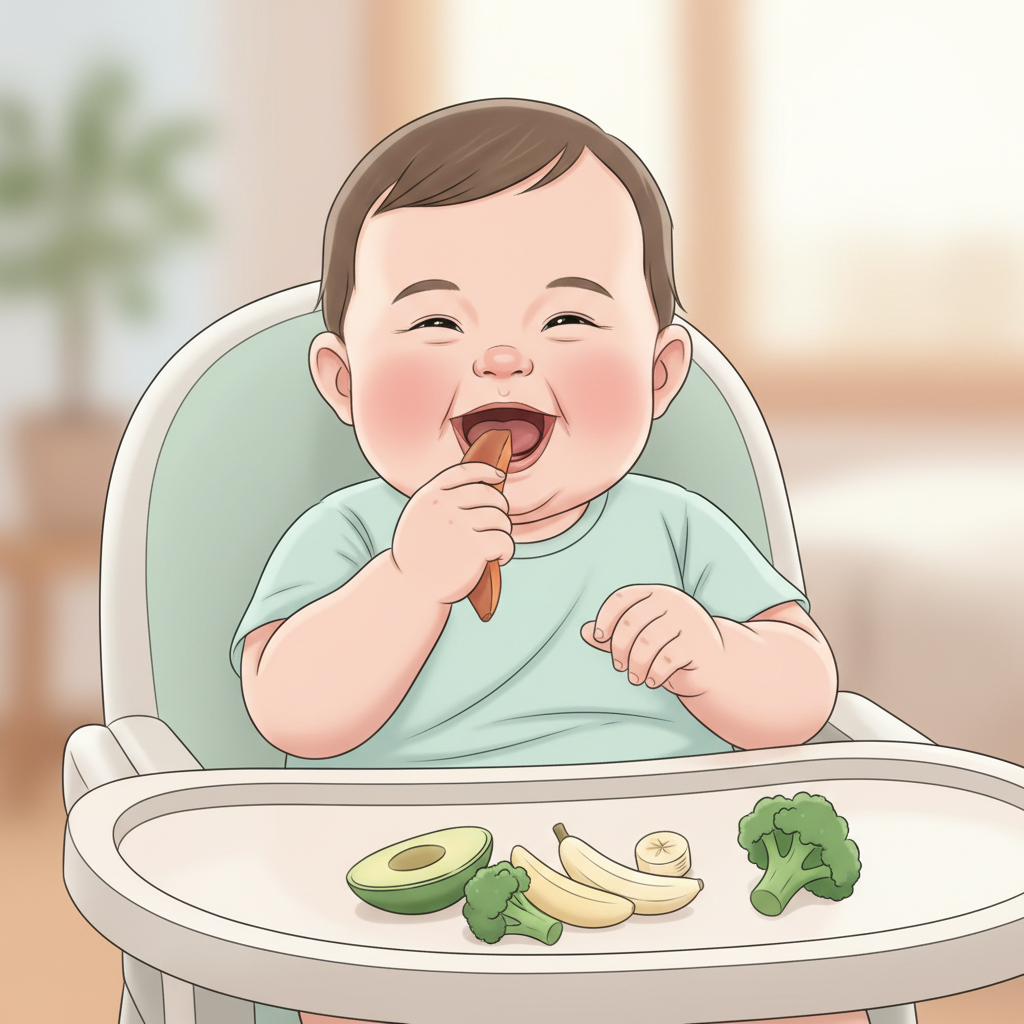
Best Finger Foods for Baby-Led Weaning with 7-Month-Olds & No Teeth
Your 7-month-old shows interest in your food—a big step! If you’re exploring baby-led weaning (BLW), you might be wondering about the best finger foods for baby-led weaning 7 months no teeth. Many parents worry that without teeth, eating can begin. The good news? Babies are wonderfully equipped to handle soft foods with their gums.
This guide translates the latest recommendations from organizations like the American Academy of Pediatrics (AAP) to help you navigate introducing solids safely and confidently, even when your little one is sporting a gummy smile.
Starting Solids with Gums and Grit
Baby-led weaning is an approach where babies feed themselves by picking up pieces of soft, solid food. The goal isn't nutritional replacement for milk (breast milk or formula), but rather to help your baby develop their fine motor skills, chewing and swallowing reflexes, and a positive relationship with food.
The AAP states that solid foods can be introduced around 6 months of age, or when your baby shows signs of readiness. Starting around 7 months is perfectly fine, and the absence of teeth is not a barrier.
The Remarkable Power of Gums
It might seem counterintuitive, but babies don't need teeth to chew. Their gums are surprisingly strong and can effectively mash soft foods. The chewing motion they develop with their gums helps break down food before swallowing.
Research suggests that the gag reflex, which is very active in infants, is a key protective mechanism for learning to eat. It's located further forward in the mouth than in adults, meaning babies will naturally move food forward to gag when it's too much. This is different from choking, where the airway is blocked.
Prioritizing Safety: The BLW Foundation
Safety is paramount when introducing finger foods for babies, especially for a 7-month-old with no teeth. Following evidence-based guidelines can help you feel more confident.
Is Your Baby Ready for Solids?
The AAP recommends watching for several signs of readiness:
- Head control: Your baby can hold their head up steadily.
- Sitting support: They can sit up with minimal support.
- Interest in food: They watch you eat and may reach for your food.
- Loss of tongue-thrust reflex: They don't automatically push food out of their mouth with their tongue.
Gagging vs. Choking: Understanding the Difference
It’s crucial to distinguish between gagging and choking. Gagging is a normal, noisy reflex where your baby brings food forward in their mouth to work on it. It often involves sounds like sputtering or gagging.
Choking is a silent event where the airway is blocked, and your baby may have difficulty breathing, make no sound, or turn blue. Knowing the difference can help manage a potentially startling gagging episode and recognize true danger. Learning how to safely introduce specific foods like whole grapes and cherry tomatoes is key to preventing choking.
The Essential Setup for Safe Eating
- Seated: Always have your baby sitting upright in a high chair or on your lap.
- Supervised: Never leave your baby unattended while they are eating.
- Proper Environment: Ensure they are in a safe, stable seating position, not reclined.
Top Finger Foods for Your Gum-Chomping Star
When choosing finger foods for a 7-month-old with no teeth, the key is softness and shape. Foods should be easily mashable with your fingers or dissolvable in the mouth.
Veggies That Sizzle (and Steam)
- Steamed Carrot Sticks: Cook until tender enough to easily pierce with a fork.
- Sweet Potato Wedges: Roast or steam until very soft and cut into finger shapes.
- Broccoli Florets: Steam until soft but not mushy. Offer the florets, as stems can be harder.
- Zucchini Sticks: Steamed or lightly sautéed until tender.
Fruitful Finger Fun
- Ripe Avocado Slices: Soft, creamy, and easy to grip.
- Banana Spears: A classic for a reason — naturally soft and sweet.
- Melon Sticks: Honeydew, cantaloupe, or watermelon, cut into manageable pieces. Ensure seeds are removed.
Protein Powerhouses that Dissolve
- Shredded Chicken or Turkey: Cooked until very tender and pulled into fine strands.
- Soft Scrambled Eggs: A great source of protein and iron, easy to mash.
- Defrosted Peas: Press them slightly so they are flatter and easier for tiny hands to grasp.
- Lentils: Cooked until very soft.
Grains and Healthy Fats
- Oat Strips: Cooked oatmeal mixed with a little flour and baked until firm strips.
- Whole Wheat Toast Fingers: Toasted until slightly firm but still easily breakable and mashable.
- Cheese Sticks or Cubes: Full-fat cheese, cut thinly or into small cubes.
When considering finger foods for 7 month old baby with no teeth, aim for a variety of textures and nutrients. Remember, the goal at this stage is exploration and learning, not perfect nutrition. Some parents also find it helpful to offer smooth dips and sauces made in a blender for added flavor and texture.
Crafting Little Bites for Little Hands
Discover your baby's phase
The way you prepare and cut food is critical for safety and success, especially for finger foods for a 6-month-old baby with no teeth or slightly older pre-dentition eaters.
The "Finger-Length" Rule
Cut foods into pieces that are roughly the length of an adult index finger. This shape is easier for babies to grasp with their whole fist and bring to their mouth.
Texture is Everything
The AAP suggests textures that are mashable, squishable, or dissolvable. Think of foods that would break down easily if you pressed them between your tongue and the roof of your mouth. Steaming, boiling, or roasting until soft are excellent cooking methods.
Avoiding Common Choking Hazards
Certain foods, by their nature, pose a higher risk. It’s best to avoid or modify these until your baby is older and has more teeth and chewing ability:
- Whole Grapes or Cherry Tomatoes: Must be quartered lengthwise.
- Hot Dogs: Must be cut lengthwise and then into small, manageable pieces.
- Nuts and Seeds: Offer nut butters thinly spread or ground seeds mixed into other foods. For babies with eczema, learning how to safely introduce peanuts is important.
- Popcorn: Avoid entirely.
- Hard, Raw Vegetables: Like raw carrot sticks.
- Lollipops and Hard Candies: Avoid.
For babies with no teeth, the emphasis is on very soft textures that require minimal biting force. Many parents find it helpful to try and mash the food themselves with their fingers before offering it.
Navigating the World of Allergens
Introducing potentially allergenic foods is an important part of starting solids. Current research and guidelines from the AAP suggest introducing them early and often, rather than delaying.
What the Guidelines Say About Allergens
The AAP, along with other health organizations, now recommends introducing common allergenic foods like peanuts, egg, cow's milk products (like yogurt or cheese), fish, shellfish, soy, and wheat beginning around 6 months of age, or when your baby starts other solid foods.
- This early introduction may help prevent the development of allergies.
- It's important to introduce these foods one at a time.
How to Introduce, One by One
- Start Small: Offer a tiny amount of the single allergenic food.
- Wait and Watch: Observe your baby for about 2-3 hours (or even longer, up to 24 hours for severe reactions).
- Introduce at Home: It’s often recommended to introduce new foods during the daytime when you can monitor your baby.
- Consistency: Once safely introduced, continue offering the food regularly as part of their diet.
Signs to Watch For
Common reactions to look out for include:
- Skin rash or hives
- Vomiting or diarrhea
- Wheezing or difficulty breathing (seek immediate medical attention)
If you have a family history of allergies or your baby has severe eczema, it's a good idea to discuss the best approach for introducing allergens with your pediatrician before you start.
Embracing the Mess and the Magic
Mealtime with a baby-led weaner is an adventure. It’s about more than just eating; it's about learning, exploring, and bonding.
The Beautiful Mess of Learning
Expect messes. Food will be squished, dropped, and sometimes flung. This is all part of the learning process for your baby. It indicates they are actively engaging with their food and environment. Keep a mat under the high chair and have wipes handy!
Milk vs. Solids: Finding the Balance
For the first year, breast milk or formula remains your baby’s primary source of nutrition. Solids are supplementary. Offer milk feedings consistently, and offer solid foods in between. As your baby eats more solids, their milk intake may naturally decrease. If you're concerned about your baby's intake of solids or milk, consult your pediatrician.
When to Seek Pediatric Guidance
While gagging is normal, if you are ever concerned about your baby's eating, breathing, or overall development, your pediatrician is the best resource.
Don't hesitate to reach out if:
- Your baby consistently struggles to manage food in their mouth.
- You are unsure about the texture of foods.
- You are concerned about dehydration or poor weight gain.
- You notice signs of a potential allergic reaction.
Your pediatrician can offer personalized advice based on your child's specific needs and growth.