Best First Finger Foods for Baby Without Teeth (US Guide)
Discover safe and soft first finger foods for babies without teeth. Learn readiness signs, preparation tips, and top food choices for baby-led weaning in the US.
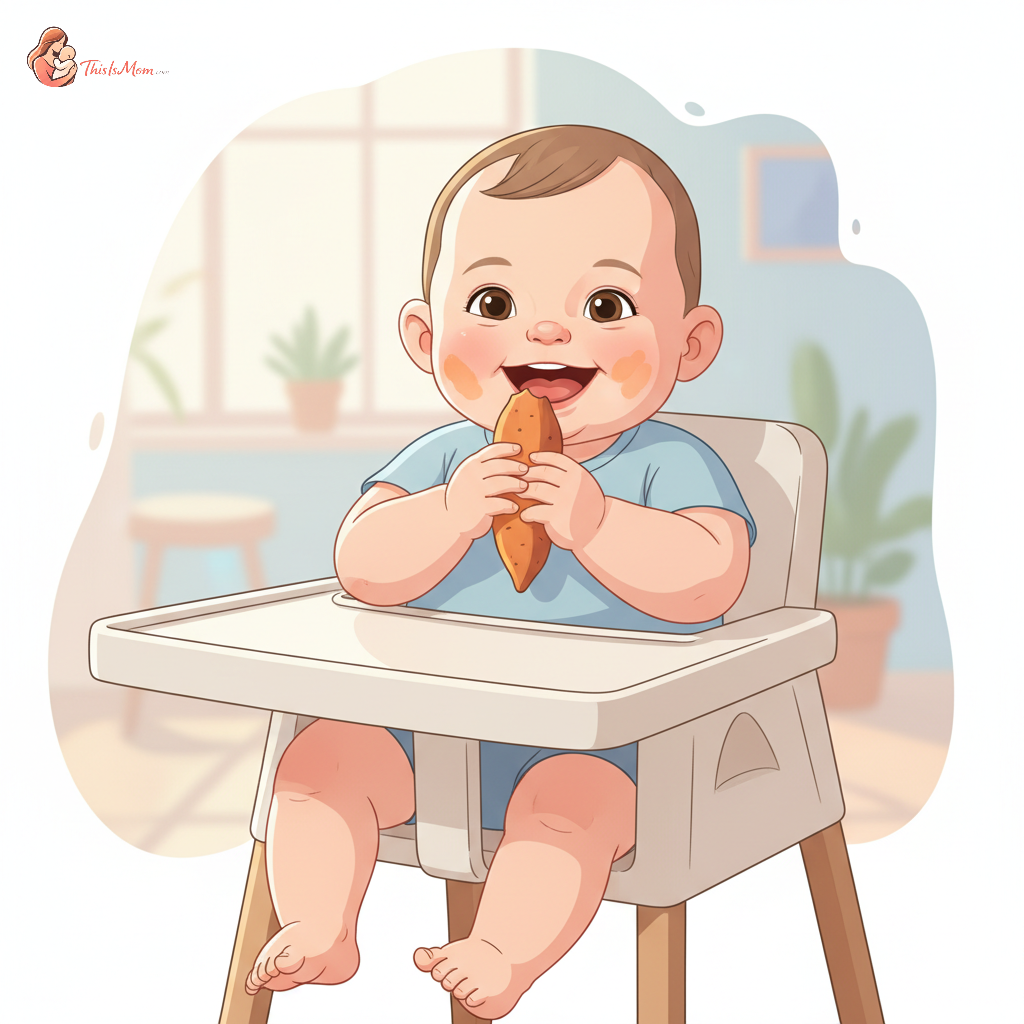
Best First Finger Foods for Baby Without Teeth: A US Parent's Guide
Your baby is nearing six months, and you're contemplating starting solids. You've heard about finger foods and baby-led weaning, but your little one still sports a gummy smile. Can they truly handle finger foods without teeth? The short answer, according to developmental experts and the American Academy of Pediatrics (AAP), is yes. This guide explores the best first finger foods for baby without teeth in the US, emphasizing safety and readiness.
Understanding Your Gummy Wonder: Why Finger Foods Without Teeth Are Okay
It might seem counterintuitive, but babies don't need teeth to safely explore finger foods. This approach is often associated with baby-led weaning, where infants are offered appropriately sized pieces of soft food to feed themselves.
The Science Behind Baby-Led Weaning and No Teeth
The core idea behind baby-led weaning is that babies can effectively manage food textures using their gums and tongue. Research indicates that infants possess a strong gag reflex, a protective mechanism against choking. This reflex is typically more forward in the mouth during infancy and shifts backward as they mature. For parents navigating feeding, understanding safe baby-led weaning snacks for 9 months is crucial for early exploration.
Signs Your Baby is Ready for Finger Foods (Even Without Teeth)
The Centers for Disease Control and Prevention (CDC) and the AAP outline several signs indicating a baby is ready for solid foods, including finger foods:
- Sitting independently: Your baby can sit up without support.
- Good head and neck control: They can hold their head steady.
- Showing interest in food: They watch you eat, reach for food, or open their mouth when food is offered.
- Loss of the tongue-thrust reflex: This reflex, which pushes food out of the mouth, diminishes, allowing them to move food to the back of their mouth.
If your baby displays these signs, they may be ready to explore soft finger foods, even without teeth.
Why 'Gums Are Strong' Isn't Just an Old Wives' Tale
While not a scientific term, the saying that 'gums are strong' holds significant truth. A baby's gums are surprisingly capable of breaking down soft foods. For babies developing their pincer grasp (picking up small items with their thumb and forefinger), offering appropriately sized soft foods can be a safe and engaging way to introduce new tastes and textures.
Safety First: Preparing Finger Foods for Gummy Babies
Safety is paramount when introducing any new food, especially finger foods for babies without teeth. This involves understanding what to avoid and how to prepare food correctly.
Choking Hazards to Avoid: The 'Pea Rule' and Beyond
A common guideline to help parents understand portion size is the 'pea rule.' Foods should generally be no larger than the size of a cooked pea. This helps prevent choking. Always avoid small, hard, round, or sticky foods that can easily block a baby's airway.
This includes:
- Whole grapes, cherry tomatoes, or berries (must be quartered or halved lengthwise)
- Popcorn, nuts, and seeds
- Hard candies and chewing gum
- Chunks of meat or cheese
Texture is Everything: The Mash, Smash, and Soft-Stick Tests
For gummy babies, texture is key. The food needs to be soft enough to be easily mashed between your fingers and should not be sticky or chewy.
- The Mash Test: Can you easily mash the food between your fingers? If not, it’s likely too hard.
- The Smash Test: For larger pieces, can you easily smash it on the roof of your mouth with your tongue?
- The Soft-Stick Test: Many experts recommend serving foods in stick shapes (about the size of your pinky finger) for easy grasping. These sticks should be soft enough to bend and break apart.
Age-Appropriate Portion Sizes and Presentation
Start with small amounts of food – just a tablespoon or two. Offer one new food at a time, and wait a couple of days before introducing another new food to monitor for any reactions. Presenting foods in manageable shapes, like sticks or small, soft pieces, makes them easier for babies to grasp and manage. Avoid overwhelming them with too much food on their tray.
Top Picks: Best First Finger Foods for Babies Without Teeth
When selecting the best first finger foods for your baby without teeth, focus on items that are naturally soft or can be easily cooked to the right texture.
Discover your baby's phase
Soft Fruits
Ripe fruits are often a great starting point due to their natural softness and sweetness.
- Avocado: Ripe avocado can be served in soft strips or small cubes. It’s packed with healthy fats.
- Banana: A ripe banana is soft and easily mashable. Serve in thick slices or sticks.
- Ripe Pear: Choose very ripe pears that are soft to the touch. Peel and serve in sticks.
- Cooked Apple: Bake or steam apple slices until very soft, then serve in sticks. Avoid raw apples which can be too hard.
Cooked Vegetables
Cooking vegetables until they are tender is essential for babies without teeth.
- Sweet Potato: Baked or steamed sweet potato, cut into sticks or soft cubes.
- Butternut Squash: Steamed or roasted until very tender, then cut into manageable pieces.
- Green Beans: Steamed until soft and pliable.
- Carrots: Steamed or boiled until very tender. They can be served as sticks.
Grains & Proteins
Introducing a variety of textures and nutrients is important.
- Soft Pasta: Cooked pasta shapes like rotini or penne are easy to grasp. Ensure they are cooked until very soft.
- Well-Cooked Beans: Lentils or mashed black beans or kidney beans are good sources of protein and fiber.
- Shredded Chicken: Cooked chicken, shredded finely, can be offered.
- Eggs: Scrambled eggs, cooked thoroughly, are soft and nutritious.
Mealtime Manners: Making It a Positive Experience
Introducing solids is not just about nutrition; it’s also about learning and exploring. Creating a positive mealtime environment is crucial.
Setting Up for Success: High Chair, Bibs, and Managing the Mess
Ensure your baby is seated safely in a sturdy high chair, ideally with a footrest. Bibs, especially those with a catch-pocket, can help manage some of the inevitable mess. Remember, this exploration phase is messy – embrace it as part of the learning process! For those in small spaces, finding the right high chair for small kitchen apartment is key.
Encouraging Exploration: Letting Baby Lead the Way
Allow your baby to explore the food with their hands. Don't force them to eat. Offer a variety of safe finger foods and let them decide how much and which ones they want to try. This promotes autonomy and a healthy relationship with food.
When to Offer Water and How Much
According to the AAP, you can offer a small amount of water (2-4 ounces per day) in an open cup or sippy cup with meals once your baby has started solids. Breast milk or formula should remain their primary source of hydration and nutrition.
When to Call the Pediatrician: Red Flags and Concerns
While most gagging is a normal part of learning to eat, there are times when you need to seek professional advice.
Understanding Gagging vs. Choking (and What to Do)
Gagging is a protective reflex where the baby expels food from their mouth. It often involves sputtering, coughing, and the baby may push the food out. Choking is more serious; the airway is blocked, and the baby may make no sound, struggle to breathe, or turn blue. If you suspect choking, follow infant CPR guidelines. It’s highly recommended that parents take an infant CPR course.
Monitoring for Allergic Reactions and Sensitivities
When introducing new foods, particularly common allergens like eggs, peanuts, or dairy, watch for signs of an allergic reaction. These can include hives, rash, vomiting, diarrhea, or difficulty breathing. If you notice any concerning symptoms, contact your pediatrician immediately. When considering new foods, it's always wise to consult with a pediatrician. Understanding what qualifies as a 'balanced' toddler snack per pediatrician can also be beneficial as you expand their diet.
Developmental Concerns: When Baby Isn't Progressing with Solids
If your baby shows no interest in solids, consistently gags on all textures, or you have concerns about their growth and development, discuss it with your pediatrician. They can assess your baby's readiness and offer personalized guidance.