Safe Baby-Led Weaning Snacks for 9-Month-Olds
Explore safe and nutritious baby-led weaning snack options for your 9-month-old. Learn about ideal textures, sizes, and preparation tips to support healthy development.
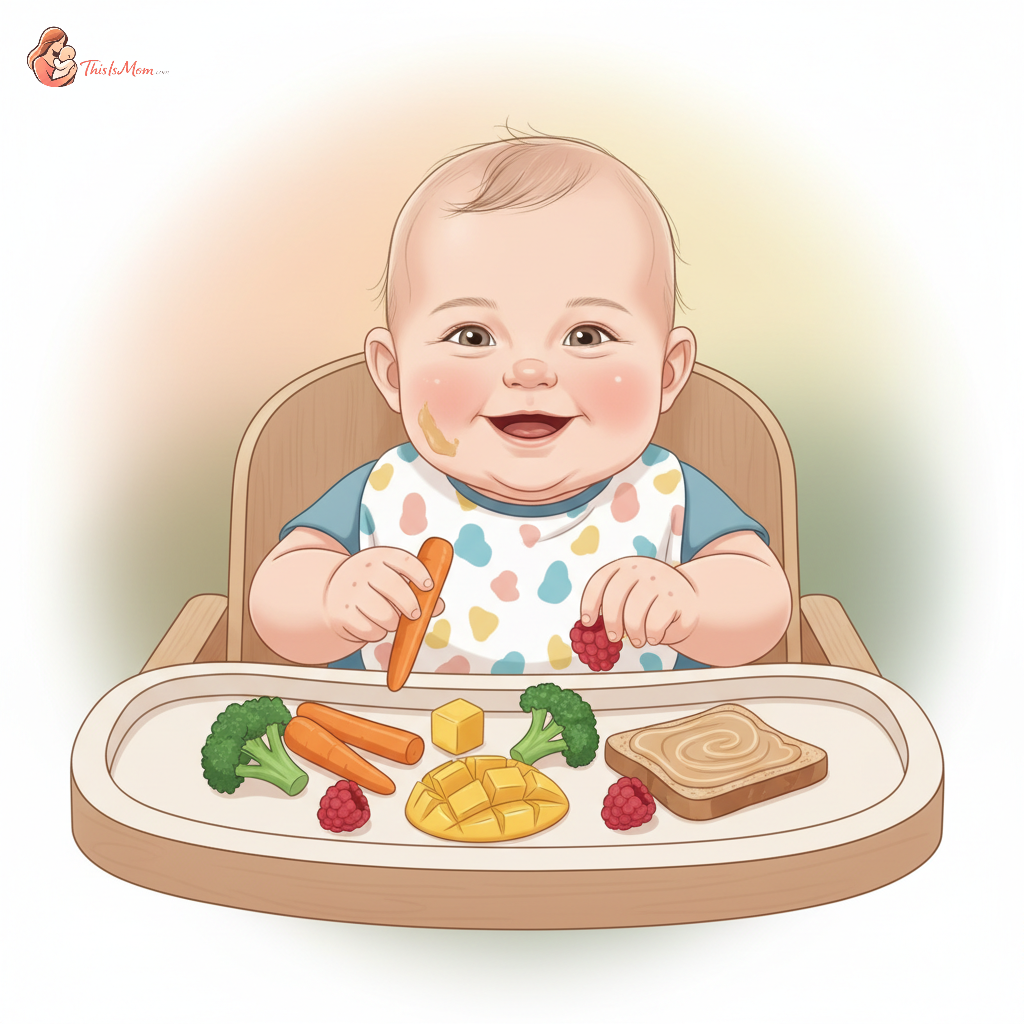
Safe Snack Options for Your 9-Month-Old Practicing Baby-Led Weaning
Your 9-month-old is likely a pro at gumming their way through meals, exploring new tastes and textures. But what about snacks? Do they need them, and if so, what are the safest, most beneficial options for a baby doing baby-led weaning (BLW)? This common question for parents navigating this exciting stage has practical answers.
Why Snacks Can Be Beneficial for Your 9-Month-Old
At this age, snacks aren't just about filling up; they're about continued learning and development. Think of them as opportunities to build on the skills your baby is developing at meal times.
Complementing, Not Replacing, Meals
The primary goal remains offering nutrient-dense meals. Snacks are meant to supplement these meals, not take their place. They help ensure your baby gets a good variety of nutrients throughout the day.
Practicing New Textures and Motor Skills
Snacks offer more chances for your baby to practice grasping, bringing food to their mouth, and chewing or mashing. This is crucial for developing fine motor skills and oral-motor control.
Bridging Hunger Gaps Safely
Babies' tummies are small, and their appetites can vary. Snacks can help prevent extreme hunger between meals, which can lead to fussiness or overeating at the next meal. This helps maintain a positive relationship with food.
The Golden Rules for Safe BLW Snacks at 9 Months
Safety is paramount in baby-led weaning, and snacks are no exception. Following expert recommendations from organizations like the American Academy of Pediatrics (AAP) and the Centers for Disease Control and Prevention (CDC) is key.
Size and Shape: The 'Finger' Rule
A good rule of thumb for finger foods for babies this age is to cut them into shapes they can easily grasp. This typically means pieces about the size and shape of an adult's index finger.
This size allows them to hold onto one end while the other end is available for them to bite or gum. For smaller items like berries, quartering them is recommended to reduce choking hazards.
Texture: Squishable, Mashable, or Soft Crunch
The texture of food is just as important as its shape. Foods should be soft enough to be easily mashed between your fingers or easily squished between the baby’s gums.
A soft crunch is acceptable if the food is also moist and easily broken down. Foods that are hard, rubbery, or dry can pose a higher choking risk.
Preparation is Key: Steaming, Roasting, Mashing
How you prepare the food makes a significant difference in its safety and edibility for your baby. Steaming, roasting until tender, or simply mashing foods makes them easier for your baby to manage.
Avoid raw, hard vegetables like whole carrot sticks. Cooked carrots, for instance, should be soft enough to pierce easily with a fork.
Always Supervise: The #1 Rule for BLW
This is the most critical guideline. Always supervise your baby during snack times, just as you do during meals. Never leave them unattended with food, even for a moment.
Ensure your baby is always seated upright while eating. This position aids digestion and reduces the risk of choking.
Iron-Rich & Allergen-Friendly Snack Stars
At nine months, iron is still a key nutrient to focus on, as babies' iron stores from birth begin to deplete. Introducing common allergens safely is also a priority. Learn how to safely offer nut butter to your baby, especially if they are at risk for allergies.
Soft-Cooked Meats and Poultry Strips
Thin, soft strips of chicken, turkey, or beef cooked until tender offer an excellent source of iron and protein. Ensure they are cut against the grain to make them easier to chew.
Fortified Cereals
Iron-rich baby-led weaning foods for your 7-month-old are essential. Learn why iron is crucial, what foods to offer, and how to maximize absorption for healthy growth.
Legumes: Lentils, Mashed Beans
Lentils are a fantastic source of iron and fiber and are naturally soft. Cooked and mashed beans (like black beans or kidney beans) are also great. You can offer them mashed or formed into small patties for easier grasping.
Nut Butters: Thin Smear on Toast Strips
Discover your baby's phase
This is a crucial step for allergen introduction. According to the AAP, introducing common allergens like peanuts, tree nuts, soy, and wheat early and often can help reduce the risk of developing allergies.
Offer a very thin smear of smooth, unsweetened peanut butter (or other nut butter) on whole grain toast strips or crackers. Avoid thick dollops, which can be a choking hazard. Ensure there are no added sugars or salts in the nut butter.
Fruit & Veggie Powerhouses for Little Hands
Fruits and vegetables provide essential vitamins, minerals, and fiber. Choosing the right ones and preparing them correctly ensures they are safe and appealing.
Soft Fruits: Berries, Ripe Avocado Spears, Banana Fingers
Berries like strawberries and blueberries should be quartered or halved to prevent choking. Ripe avocado cut into spears or strips is naturally soft and provides healthy fats. Banana cut into finger-sized pieces is another easy, soft option.
Steamed Veggies: Sweet Potato Sticks, Broccoli Florets, Carrot Coins
Sweet potato and butternut squash roasted or steamed until very tender and cut into sticks are excellent. Broccoli florets, steamed until soft, can be offered whole (if the stem is thick enough to grasp) or cut into manageable pieces.
Carrot coins, when steamed or roasted until tender, can be offered, but ensure they are soft enough to mash easily.
Introducing New Flavors Safely
These fruits and vegetables offer a great opportunity to introduce a variety of flavors and colors. Don't be discouraged if your baby doesn't accept a new food immediately. It can take many exposures for a baby to accept a new taste.
Beyond Fruits & Veggies: Grains, Dairy & More
Expanding the variety of snacks beyond produce can further enhance nutrient intake and introduce new textures.
Whole Grain Toast Strips
Whole grain toast, lightly toasted so it’s not too hard, cut into finger shapes is a versatile snack. You can serve it plain or with a thin layer of avocado, unsweetened yogurt, or a thin smear of nut butter.
Plain Full-Fat Yogurt
Plain, full-fat yogurt (without added sugars or sweeteners) is a good source of calcium and protein. Offer it in a bowl with a pre-loaded spoon, or mix it with some fruit puree for added flavor.
Small Pieces of Soft Cheese
Pasteurized, soft cheeses like mild cheddar or mozzarella, cut into small cubes or strips, can be offered. Ensure it’s soft enough to mash easily.
Puffed Cereal
Some iron-fortified puffed cereals designed for babies can be a convenient snack. Look for options that are low in sugar and are designed to dissolve easily in the mouth.
When to Offer Snacks (and When to Skip Them)
Timing and responsiveness to your baby's cues are important for snack time.
Balancing Snacks with Main Meals
The goal is to offer snacks strategically. If your baby is having frequent, substantial snacks close to meal times, they may not be hungry for their meals.
Try to place snacks mid-morning or mid-afternoon, with at least 1.5 to 2 hours between snack time and the next meal.
Reading Your Baby's Hunger Cues
Pay attention to your baby’s signals. Signs of hunger might include reaching for food, opening their mouth, or showing excitement when food is presented. Signs of fullness can include turning their head away, pushing food away, or becoming fussy.
It’s okay for your baby to refuse a snack. This is part of learning to regulate their intake.
Hydration: Water Alongside Snacks
Offer water in an open cup or sippy cup with snacks, just as you do with meals. Avoid juice, as recommended by the AAP. Water is the best choice for hydration at this age.
Navigating snacks for your baby-led weaning journey at nine months involves prioritizing safety, nutrition, and exploration. By offering a variety of soft, appropriately sized foods and always supervising, you can help your little one continue to build a healthy relationship with food. When in doubt about specific foods or your baby's readiness, always check with your pediatrician.