Toddler Cries at Daycare After 6 Months? 10 Tips for Parents
Is your toddler suddenly crying at daycare drop-off after months of smooth transitions? Understand common triggers and get 10 gentle strategies to ease separation anxiety.
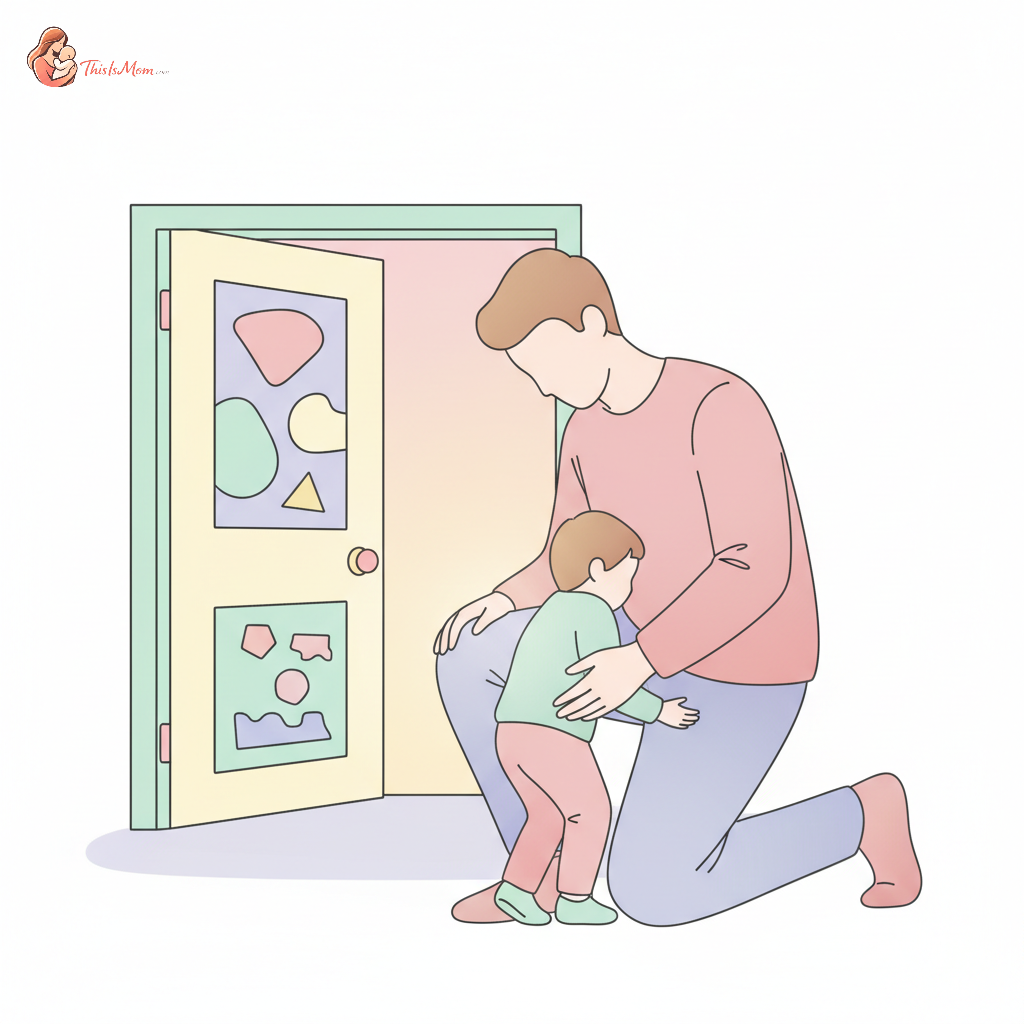
My Toddler Cries at Daycare Drop-Off After 6 Months: What's Going On?
With my first child, Leo, daycare drop-offs were a dream. For months, he’d practically sprint into his classroom, barely waving goodbye. Then, around 18 months, it was like a switch flipped. Suddenly, tears. Wails. A desperate grab for my leg. I was blindsided. By my fourth child, Clara, a similar thing happened, though her tears came around age 3, right after a summer break from preschool. Looking back, I realized it wasn't about the daycare itself, but about the normal ebb and flow of childhood.
If I could tell my younger self one thing about this common issue – my toddler cries at daycare drop-off after 6 months of peace – it would be to breathe. This is often a phase, not a permanent problem.
The Daycare Drop-Off About-Face: Understanding the Shift
It’s completely unsettling when something that was once easy suddenly becomes a daily drama. One week your child waves cheerfully, the next they’re clinging to your shins, convinced you’re abandoning them forever. This is actually a pretty common developmental stage, and you're not alone if your toddler suddenly cries at daycare drop-off. While many children settle into daycare quickly, some experience what feels like a "daycare drop-off regression." This simply means they are showing renewed signs of distress after a period of seeming well-adjusted.
It can be tough to pinpoint an exact age for when this will magically resolve itself. For some, it's a few weeks; for others, it might take a couple of months. It's less about a specific timeline and more about working through the underlying feelings. The good news is that for most children, with consistent support, the tears do eventually subside. The key is understanding what might be triggering this shift, rather than just waiting for it to pass.
Unpacking the Tears: Common Triggers for Sudden Cries
So, what’s really behind your child’s sudden tears? It's rarely one single thing. Often, it’s a constellation of small shifts and developmental milestones that converge. Some common triggers include:
- New Fears, Old Feelings: As toddlers grow, so do their brains and their understanding of the world. This often means a resurgence of separation anxiety, even if they seemed over it months ago. They might be realizing you actually leave and that they have to manage being apart from you for a period. This can make the goodbye moment feel incredibly significant to them again.
- Life's Little Earthquakes: Even small changes can feel huge to a little one. Think about it: a new teacher at daycare, a shift in nap schedules, a friend moving away, or even a new sibling at home. For a 2-year-old suddenly crying at daycare drop-off, it could be a subtle change in their classroom that they can’t articulate. A change in your own work schedule, a new babysitter, or even a different evening routine can all contribute to a child feeling a little unsettled. Finding Backup Childcare for when sickness strikes is also a common concern.
- The Overwhelmed Toddler: Sometimes, a drop-off meltdown is simply a sign of being too tired, too hungry, or just generally overstimulated. Maybe they didn't sleep well the night before, or the morning was a whirlwind. They might be holding it together until that one moment of vulnerability—your departure—when the dam breaks. The impact of lack of sleep on mood and irritability is well-documented, and this applies to toddlers too.
- A Bid for Connection: In their own way, these tears can also be a final plea for connection before you leave. They want to make sure you see them, acknowledge their feelings, and confirm you'll be back. A dramatic goodbye ensures you’re paying attention before you head out the door.
Navigating the Waters: Gentle Strategies for Parents
Discover your baby's phase
When you're on the receiving end of those tearful goodbyes, your instinct might be to rush through it or, conversely, to linger and try to placate. In hindsight, the most effective approach often lies in a balance of consistency and empathy. This isn't about finding a magic fix; it’s about building a predictable and supportive experience for your child.
Here are some strategies that can help create smoother exits:
- The Power of Ritual: Children thrive on predictability. Develop a short, sweet, and consistent goodbye ritual. This could be two hugs and one kiss, a special handshake, or singing a quick song together. Whatever it is, do it every single time. Knowing what to expect can be incredibly reassuring.
- Be Bright and Buoyant, Then Go: Make your goodbye a quick, confident affair. Arrive on time, greet the teacher, engage your child for a moment, complete your ritual, and then leave. Lingering, or returning if they cry harder, inadvertently teaches them that protesting will keep you there. And please, resist the urge to sneak out. They might feel more secure knowing you're leaving and that you'll return, rather than experiencing the anxiety of wondering where you went.
- Validate, Don't Agitate: Acknowledge their feelings without getting drawn into a prolonged negotiation. "I know you’re sad to say goodbye. I will be back after lunch. I love you!" This validates their experience ("I know you're sad") while reinforcing the boundary ("I will be back"). Avoid saying things like, "Don't cry, it’s not a big deal," which can dismiss their very real emotions.
- Prepare for the Day (and Your Return): Briefly talk about their day before you leave. "You're going to play with blocks today, and then have story time. And guess what? Mommy will be back after nap!" Knowing what’s happening and that there’s a reunion planned can ease their mind.
Joining Forces with Their Caregivers
Your child’s daycare teachers are your allies. They see your child in a different environment and have a wealth of experience with various transition challenges. Open communication is key to navigating this phase and ensuring a united front.
- Talk to the Teachers: Share what’s been happening. Let them know about the sudden tears and your current strategies. Ask them about how your child is doing after you leave. Often, the tears stop the moment you're out of sight. These updates can be incredibly reassuring for parents. Navigating Daycare Illnesses when both parents work from home is another common challenge that requires caregiver collaboration.
- Understand Their Process: Ask how they typically handle drop-off distress. Do they have a special quiet corner? Do they offer a comforting activity? Knowing their methods can help you feel more confident in handing your child over.
- Regular Check-Ins: Don't hesitate to ask for a quick text or email update an hour or so after drop-off, especially during this challenging phase. Knowing your child has settled in can make your day much less stressful.
When to Look a Little Closer
While a daycare drop-off regression is often a normal developmental hurdle, there are times when it’s worth looking a bit deeper. This isn't about alarmism, but about informed observation.
- Beyond the Doorway: If your child’s distress is prolonged, lasting well into the day, or if they are inconsolable for extended periods, it might signal a deeper issue than just separation anxiety. For instance, if this distress is coupled with significant developmental delays, your pediatrician might refer for early intervention evaluations.
- Changes at Home: Pay attention to their behavior at home, too. Are they generally more clingy, anxious, or having more meltdowns outside of daycare? A widespread increase in difficult behavior might point to something more than just drop-off struggles. A toddler resistant to potty training after a new baby is another example of behavioral shifts during big life changes.
- Age Considerations: For a 4-year-old crying at daycare drop-off, the reasons might be slightly different than for a toddler. At this age, they can often articulate why they are upset, which can be helpful information. They might be experiencing social dynamics at school or feeling overwhelmed by greater independence.
- Seeking Expert Ears: If you're consistently worried about your child's emotional well-being, or if the distress seems unusually intense or persistent, it’s always a good idea to discuss it with your pediatrician. They can rule out any underlying medical issues and offer guidance or referrals to child development specialists if needed.