C-Section Scar Massage: 8 Techniques for Nerve Pain Relief
Discover 8 gentle C-section scar massage techniques to reduce nerve pain, numbness, and tingling. Learn when to start, how to massage, and holistic healing tips.
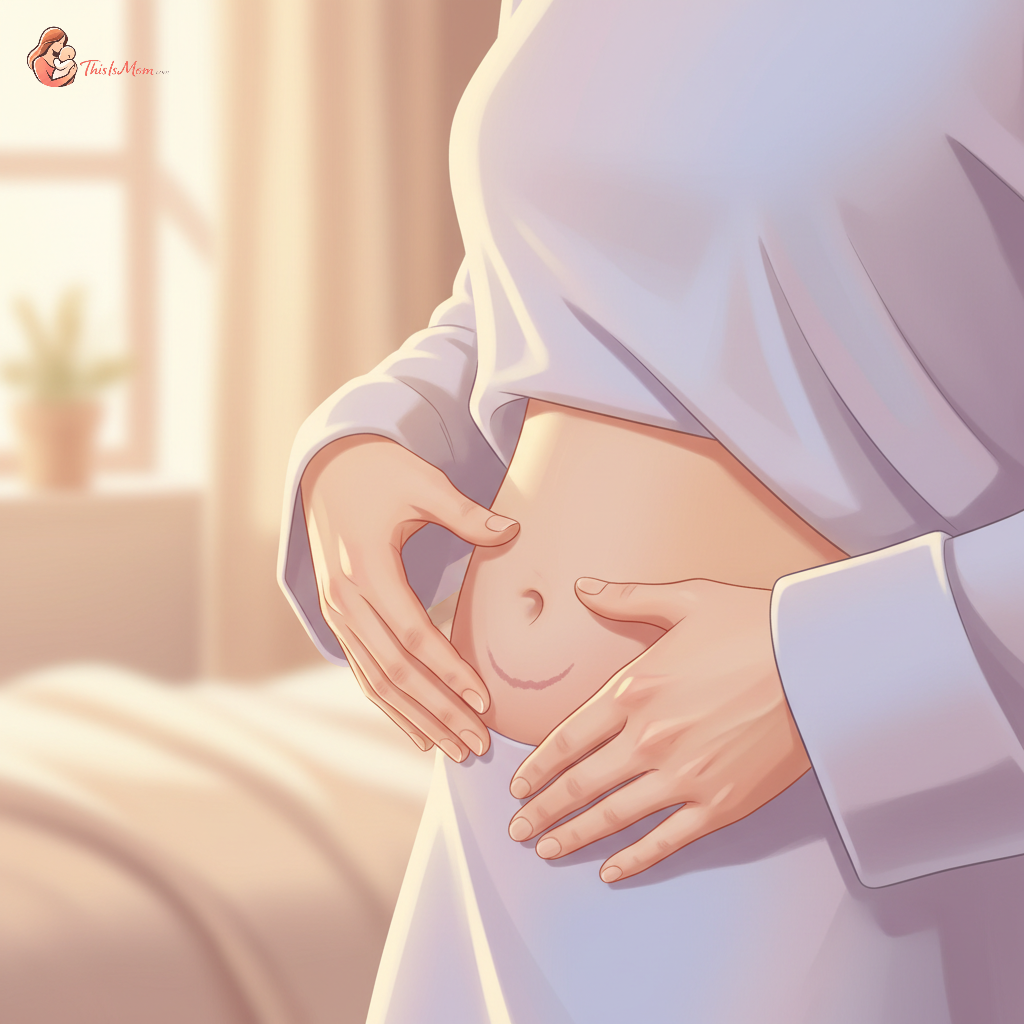
C-Section Scar Massage for Nerve Pain: Gently Reclaiming Your Sensation
It's completely normal to wonder about the sensations, or lack thereof, around your C-section scar. Many mothers experience a spectrum of feelings, from tingling and itching to numbness or even sharp, surprising pains, long after the initial healing. You've brought a life into this world, and your body has gone through a significant event. Understanding what’s happening with your scar tissue and how to nurture it can be a powerful part of your postpartum journey. This guide explores C-section scar massage techniques for reducing nerve pain and helps you discover gentle ways to regain sensation and comfort at home.
More Than Just Skin Deep: Understanding Your C-Section Scar
Your C-section scar is a testament to your strength, but it's also an area where nerves and tissues have been divided and then brought back together.
Why Nerve Pain and Numbness Happen After a C-Section
During a C-section, the abdominal layers are carefully opened. This involves cutting through skin, fat, muscle, and the fascia surrounding them to reach your baby. While surgeons are skilled at minimizing disruption, it’s inevitable that small nerves are affected. Nerve endings can be stretched, irritated, or even severed during the surgery.
Post-surgery, as your body heals, scar tissue forms. This scar tissue can be denser and less organized than the surrounding tissues. It may adhere to underlying structures, or it can thicken in a way that irritates nearby nerve endings. This irritation is often what causes localized pain, sharp sensations, or that persistent feeling of numbness or hypersensitivity in the scar area and sometimes even further afield. Numbness is particularly common because the superficial nerves that provide sensation to your skin in that region may have been impacted.
Can Massage Reduce C-Section Scar Pain? The Benefits of Scar Massage
The short answer is yes, scar massage can be incredibly beneficial for reducing C-section scar pain and improving sensation. The key is understanding that scar tissue, while necessary for healing, can be improved with gentle manipulation.
Scar massage aims to:
- Break down adhesions: “Sticky” scar tissue can bind to underlying layers of tissue, restricting movement and causing pulling sensations or pain. Massage helps to loosen these adhesions.
- Improve blood flow: Increased circulation to the scar area supports healthier tissue regeneration and can help to soften the scar.
- Desensitize the area: For numbness or hypersensitivity, gentle massage can help to reawaken nerve pathways and make the skin feel more "normal" over time.
- Increase flexibility: By working with the scar tissue, you help it become more pliable and less prone to restriction, which can alleviate discomfort and improve your body's overall mobility.
In essence, C-section scar massage for nerve pain at home empowers you to actively participate in your body's continued healing.
When Can You Start Scar Massage? Safety First!
This is a crucial question, and the answer hinges on your body’s individual healing process. Jumping in too soon can be counterproductive or even harmful.
Signs Your Scar is Ready for Massage
While there’s no single timeline that fits everyone, generally, you can begin very gentle scar massage once your incision is fully closed, dry, and without any signs of infection. For many, this means waiting at least 6-8 weeks postpartum.
Your incision should look like this:
- No redness spreading away from the scar.
- No warmth to the touch in the scar area.
- No pus or foul-smelling discharge.
- No significant swelling or gaping.
Your OB or midwife will typically check your incision at your postpartum appointments. It’s always best to get their verbal okay before you begin any self-massage. They can assess your specific healing and give you the green light.
Red Flags: When to Talk to Your Doctor
Before you start any scar massage, and if you experience any of these issues, please consult your healthcare provider:
- Signs of infection: Increased redness, warmth, swelling, pus, or fever.
- Wound dehiscence: If the scar appears to be opening or separating.
- Persistent, severe pain: If pain is intense and not relieved by gentle touch.
- Concerns about your scar: If you feel uncertain about the healing process or notice unusual changes.
Your provider is your best resource for ensuring your scar is healing well and ready for this type of intervention.
Step-by-Step C-Section Scar Massage Techniques for Nerve Relief
Discover your baby's phase
Once you have the all-clear from your provider, you can begin to explore gentle C-section scar massage techniques. Remember, the goal is to be slow, gentle, and responsive to your body. This isn't about forcing anything; it's about encouraging healing.
Gentle Desensitization Exercises for Numbness
If you have significant numbness, the first steps focus on reintroducing sensation very gradually.
- Light Touch: Start by simply running a clean finger or the pad of your thumb very lightly over the skin around your scar, not directly on it if it's too tender. The goal is to let your nerve endings "wake up" to gentle contact. Do this for a minute or two each day.
- Feather Touch: Progress to lightly stroking the scar itself with one or two fingertips, as if you’re brushing away a speck of dust. Use varying pressures, from barely-there touch to a gentle pressure equivalent to petting a soft animal.
- Texture Exploration: Once light touch is comfortable, you can introduce different textures. Use a soft piece of fabric (like silk or cotton), a soft brush, or even just your fingertips to gently stroke the scar. Alternating between these different sensations helps retrain the nerves.
The why behind this is that repetitive, varied, and light stimuli help the sensory nerves in that area to reconnect and recalibrate. It's like a gentle reboot for your skin's sensation.
Targeting Nerve Entrapment: Specific Techniques
If you experience sharper pains, tingling, or sensations of "pins and needles," it might indicate a nerve is being impinged or irritated by scar tissue. These techniques aim to gently mobilize the scar tissue to free up the nerve.
- Friction Massage: Use your fingertips to make small, circular motions over the scar. You can also try gentle up-and-down or side-to-side strokes. Apply enough pressure to feel the scar tissue moving, but not so much that it causes sharp pain. Think of it like gently massaging a knot in your shoulder, but with much less force.
- "V" or "X" Stretch: This technique helps to mobilize the scar in different directions.
- Place your index and middle fingers on one side of the scar and your ring and pinky fingers on the other.
- Gently press down and move your fingers in opposite directions, creating a "V" or "X" shape across the scar.
- Hold for a few seconds, then relax. Repeat, shifting the position of your fingers to cover the entire scar.
- The why here is to gently stretch and move the scar tissue in relation to the underlying fascia, helping to release any restrictions that might be putting pressure on nerves.
- Skin Rolling: Gently pick up the skin over your scar between your thumb and forefinger. It might feel a little tight. Slowly roll the skin back and forth, moving along the length and width of the scar. Be very gentle, especially at first.
In performing these techniques, you are encouraging the scar tissue to become more elastic and less likely to bind down on sensitive nerves.
Scar Mobilization for Improved Flexibility
As your scar matures and these techniques become more comfortable, you can focus on improving its overall pliability.
- Deep Tissue Massage (Gentle): With clean hands and a little lubricant if needed (like coconut oil or a scar gel), use the pads of your fingers to apply deeper pressure to the scar itself. Work in small circles or back-and-forth strokes, sinking in as deeply as comfortable without causing sharp pain.
- Cross-Friction: Use your thumb or fingertips to press into the scar and move your finger across the scar tissue. This is particularly helpful for breaking down denser adhesions.
- Cupping: You can even try gentle "cupping" by pressing your palm firmly into the scar area to create a slight vacuum, holding for a few seconds, then releasing. This can help lift and mobilize the tissue.
These methods encourage the collagen fibers within the scar to align in a more functional, less restrictive manner, leading to a softer, more yielding scar.
Beyond the Scar: Integrating Massage into Your Recovery
Your journey of healing doesn't stop with scar massage. It’s a wonderful tool, but it’s part of a larger picture.
Is It Too Late to Massage a C-Section Scar After 2 Years?
Absolutely not! Many women find significant relief from nerve pain and numbness even years after their C-section. Scar tissue continues to respond to manual therapy. While older scars might be denser and take more time to soften, it is never too late to begin scar massage. The benefits of improved sensation and reduced pain can continue to unfold over months and years. So, if you're asking about C-section scar massage years later, the answer is a resounding yes, it can still help.
Finding a Physical Therapist for Personalized Guidance
Sometimes, the scar tissue is complex, or your pain is persistent, and you may benefit from professional help. A physical therapist or occupational therapist specializing in pelvic health or post-surgical recovery can be an invaluable resource. They can:
- Assess the specific condition of your scar tissue.
- Identify any fascial restrictions that might be contributing to your pain.
- Teach you advanced C-section scar massage techniques tailored to your unique needs.
- Provide treatment in-clinic for deeper mobilization.
Working with a therapist can provide a deeper understanding of your body and a more targeted approach to healing. You might also consider exploring pelvic floor therapy exercises to improve sex post-childbirth as part of your comprehensive recovery, as pelvic health is interconnected.
Other Ways to Support C-Section Healing
Scar massage is a fantastic tool, but it works best when combined with other supportive practices:
- Hydration and Nutrition: Supporting your body from the inside out is fundamental for tissue repair and overall well-being.
- Gentle Movement: As you heal, incorporate mindful movement like walking, gentle stretching, and postnatal yoga. This helps improve circulation and prevent stiffness. Exploring pelvic floor exercises for postpartum prolapse relief at home can also be beneficial for overall recovery.
- Pelvic Floor Physical Therapy: Even if your scar is the primary concern, a pelvic floor PT can help address any related pelvic floor dysfunction or diastasis recti.
- Mindful Breathing: Focusing on your breath can help calm your nervous system, which in turn can reduce pain perception and muscle tension.
- Patience and Self-Compassion: Healing is not linear. There will be good days and challenging days. Be kind to yourself throughout the process. For expectant mothers preparing for childbirth, understanding non-pharmacological pain relief for labor can offer valuable insights into managing physical discomfort during birth.