C-Section Shelf Recovery Timelines: What to Expect
Understand your C-section shelf belly recovery timelines. Learn what's normal, expected changes, common concerns like numbness, and how to support your healing postpartum body.
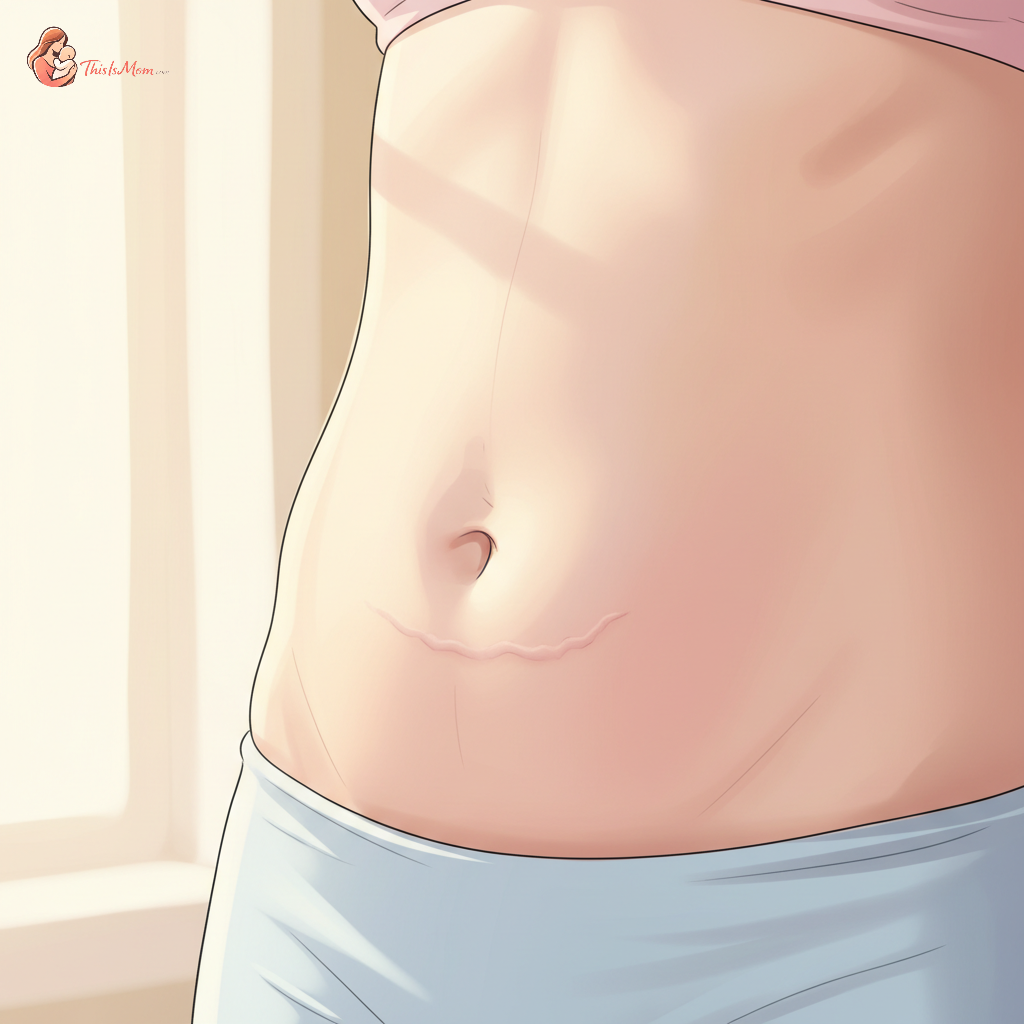
C-Section Shelf Recovery: Timelines, Expectations, and Support
It's completely normal to wonder about your belly after a C-section, especially when you notice a change in its shape or feel a lack of sensation. Many mothers describe a "shelf" or a bulge that seems to linger, a common concern often undiscussed amidst the whirlwind of new parenthood. Navigating c-section shelf belly recovery timelines can feel isolating, but understanding what’s happening inside your body can bring immense relief and empower you to approach your recovery with kindness and patience. For many, the C-section scar sensitivity and numbness are part of this, but it's important to understand the C-Section Scar Numbness: Healing Signs & When to Worry.
What Exactly Is a C-Section Shelf (and Why Do I Have One)?
The "c-section shelf" often refers to a bulge or overhang that can appear above the C-section scar. This isn't a medical term, but rather a way many mothers describe the subtle (or not-so-subtle) changes to their abdominal contour after surgery. It’s important to remember that a C-section is major abdominal surgery. Healthcare providers carefully move layers of muscle, fascia, and tissue to reach your baby, and then meticulously stitch everything back together.
This surgical process, along with the natural swelling and fluid shifts that occur postpartum, can contribute to the appearance of this shelf. Your body is also adapting to the absence of the baby from your uterus, which can influence how your abdomen holds itself.
Is it normal to have a belly shelf without a C-section? Yes, it is. Many people experience abdominal distension or changes in their belly shape due to various factors unrelated to surgery, such as diet, weight fluctuations, muscle separation (diastasis recti) from pregnancy, or even posture. The postpartum period itself, with or without a C-section, naturally alters a person's body. If you are experiencing diastasis recti, learning about DIY Postpartum Abdominal Stretching for Diastasis Recti can be very helpful.
C-Section Belly Recovery Timeline: Realistic Expectations
Your body has just undergone a significant event, and healing takes time. What your c-section shelf recovery looks like will evolve over months, not days or weeks.
- The first 6-8 weeks are often about prioritizing rest and allowing your internal incisions to begin their crucial healing process. You’ll likely experience significant swelling, bruising, and discomfort. During this time, it’s vital to avoid heavy lifting and strenuous activity. Focus on gentle movements and listen keenly to your body’s signals. Many mothers find that this initial period is a blur of caring for their newborn, and their own physical recovery takes a backseat. Be gentle with yourself; your body is working hard.
- Between months 3 and 6, you’ll likely start to notice changes. The swelling should gradually decrease, and the scar may fade. You might feel stronger and more comfortable engaging in gentle exercises. This is a good time to consider incorporating more intentional movement, but always with the guidance of your healthcare provider and a focus on rebuilding strength from the inside out.
- From month 6 and beyond, you enter a phase of deeper, long-term healing. While some aspects of your abdominal appearance and sensation may continue to shift, much of the significant change will have occurred. This can also be a time for self-acceptance and learning to embrace your body's new contours.
How long does the abdomen take to heal fully internally? This is a question without a definitive answer for everyone, as individual healing varies greatly. Generally, internal healing is a process that takes many months, often up to a year or even longer. While the most acute healing happens in the first few months, deeper tissues continue to repair and strengthen over a much longer duration. If you are worried about visitors after birth and want to protect your recovery time, learn how to decline hospital visitors after birth.
Dealing with Numbness and Sensation Changes
Why is my belly numb after a C-section? During the surgery, the skin and underlying tissues of your abdomen are cut, which can sever small nerve endings. This is a very common experience and is usually responsible for the patches of numbness you might feel around your scar and on your lower abdomen. It’s similar to how a minor cut might leave a temporary patch of reduced sensation.
When does sensation typically return? Sensation can return gradually, and it might not ever feel exactly as it did before. Some mothers regain full sensation within months, while for others, it can take a year or more. In some cases, areas of numbness may persist long-term. The key is to understand that this is a normal part of the healing process. You might also experience tingling or hypersensitivity in these areas as nerves begin to reconnect.
Is the C-Section Pooch Permanent? (And When Does It Go Away?)
Discover your baby's phase
The term "c-section pooch" is another way moms describe the persistent bulge or softness in the lower abdomen that can remain after a C-section. It’s often a source of concern, but it’s helpful to explore the factors influencing your belly's appearance.
Several factors play a role, including:
- Swelling: Postoperative swelling can take a long time to dissipate.
- Muscle Recovery: The abdominal muscles and fascia take time to heal and regain strength, and they might not return to their pre-pregnancy tone.
- Diastasis Recti: Pregnancy itself can cause a separation of the abdominal muscles, which may or may not fully resolve after birth, and can contribute to a "pooch." If you are concerned about this, learning DIY Postpartum Abdominal Stretching for Diastasis Recti is useful.
- Scar Tissue: Internal and external scar tissue can affect the way your abdominal wall moves and appears.
- Uterine Involution: Your uterus will gradually shrink back down, but this process also affects your abdominal profile in the postpartum period.
There isn't a universal "when does it go away" timeline, as it's highly individual. For many, the most noticeable changes occur within the first year. However, for some, a softer or more prominent lower abdomen may be a lasting physical change. This doesn't mean your body is "broken" or has failed; it's a testament to the incredible journey of pregnancy and birth. Learning to accept your body's new normal is a powerful part of postpartum healing.
Gentle Support for Your Healing Core (Not 'Fixing' Your Body)
The focus during postpartum recovery should always be on gentle support for your healing body, rather than trying to "fix" it. Your body has done something miraculous, and it deserves compassion.
When cleared by your doctor, postpartum-specific exercises can be very beneficial. These aren't about achieving a pre-baby body, but about safely and effectively rebuilding your core strength. Look for programs that focus on:
- Diaphragmatic breathing: This is foundational for engaging your deep core muscles.
- Pelvic floor rehabilitation: Reconnecting with and strengthening your pelvic floor muscles is crucial.
- Gentle core activation: Exercises like transverse abdominis contractions help support your abdominal organs and your spine.
Support garments (like postpartum belly wraps or compression garments) are a hotly debated topic. Some mothers find them helpful for providing a sense of security and support, which can ease discomfort and improve posture, especially in the early weeks. Others find them restrictive or unnecessary. If you choose to use one, ensure it fits properly and doesn't dig in or restrict your breathing. It’s important to remember that these garments are supportive tools, not a magic solution for c-section shelf recovery.
Good nutrition and hydration are also vital. Ensuring you have adequate protein, healthy fats, and plenty of vitamins and minerals will support your body’s natural healing processes. Staying well-hydrated is essential for overall recovery and can help with reducing swelling.
When to Call Your Doctor: Red Flags in Recovery
While your recovery will have its ups and downs, it’s important to know when to reach out to your healthcare provider. There’s a difference between normal discomfort and symptoms that indicate a problem.
Signs that warrant a call to your OB or midwife include:
- Fever: A temperature over 100.4°F (38°C) can indicate infection.
- Increased or foul-smelling vaginal discharge.
- Severe or worsening abdominal pain.
- Redness, swelling, warmth, or discharge from your C-section incision.
- Signs of a blood clot: Such as pain or swelling in one leg, shortness of breath, or chest pain.
- Difficulty urinating or any signs of a urinary tract infection.
- Any symptoms that feel significantly worse than you expected or are causing you significant distress.
What is the hardest day of C-section recovery? For many, the hardest day of C-section recovery is often between days 3 and 7 postpartum. This is when the initial pain medication may be wearing off, you’re likely still experiencing significant pain and fatigue, and the demands of caring for a newborn are at their peak. It’s a period where the reality of the surgery and the shift in your life can feel particularly overwhelming.
You are the expert on your own body. Trust your instincts and remember that your care provider is there to support you through this transformative time. Your c-section healing inside and out is a journey. Honor your body’s pace, celebrate the small victories, and know that you are doing an amazing job navigating this new chapter. You are capable, you are strong, and you are doing it your way.