Compact Crib Alternatives: 7+ Solutions for Small Apartments
Discover the best compact crib alternatives for small apartment living. This guide covers mini-cribs, bassinets, pack-and-plays, and creative space-saving tips.
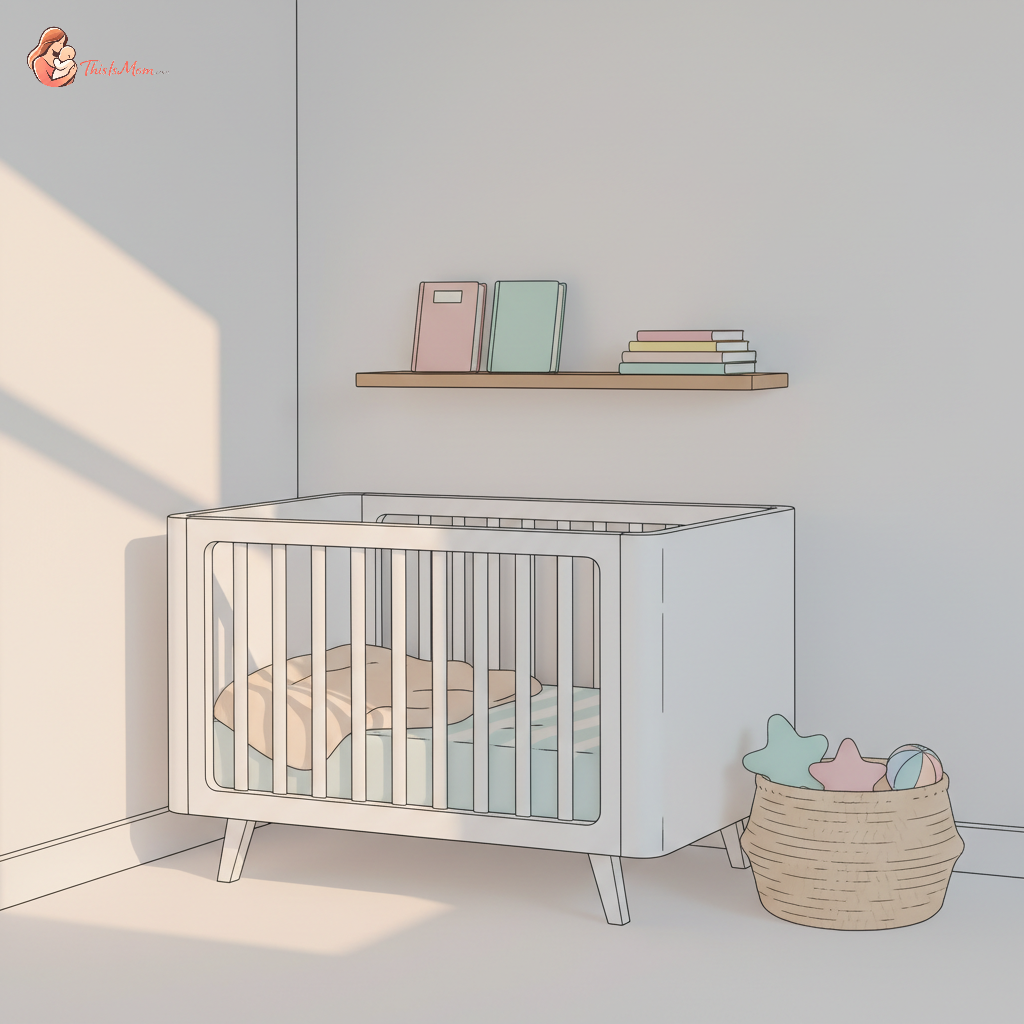
Compact Crib Alternatives: Baby Sleep Solutions for Small Apartments
Bringing a baby home to a studio or one-bedroom apartment presents unique challenges, especially when it comes to sleep space. Traditional cribs are often too bulky. This guide explores popular, safe solutions and smart layout strategies to make tiny apartment baby life work. You don't need a mansion to create a safe and comfortable sleep environment for your little one.
When a Full-Size Crib Is a No-Go (And What to Prioritize Instead)
The reality of finding compact crib alternatives for small apartment living hits hard when you measure available floor space against a standard crib. Most apartments, especially in urban areas, aren't designed with nursery rooms in mind. The struggle to find space for baby gear without feeling overwhelmed is real.
When traditional cribs are out, focus on these key features for your compact baby sleep solution:
- Compact Footprint: This is non-negotiable. Look for options significantly smaller than a standard crib, designed to fit into tighter spaces.
- Portability/Foldability: Can it be easily moved, folded, or stored when not in use? This is crucial for maximizing living area.
- Safety Certifications: Always prioritize JPMA certification and ensure the product meets current CPSC safety standards. Look for sturdy construction and no sharp edges or small parts.
- Ease of Assembly: You'll likely be assembling this yourself, possibly while sleep-deprived.
- Durability & Comfort: While space is paramount, the sleep surface must be firm and safe, and the unit should hold up to regular use.
Top Compact Crib Alternatives for Tiny Spaces
Beyond the standard crib, these crib alternatives for small spaces can unlock significant room.
Mini-Cribs: The Popular Choice
Mini-cribs are a fantastic compromise. They offer a sleeping surface that’s safer long-term than a bassinet but take up considerably less space than a standard crib. Think of them as a scaled-down, more robust bassinet.
When choosing a mini crib for small apartment living:
- Dimensions: Measure your intended spot! Mini-cribs vary, so confirm it fits your space. Standard dimensions are around 39" L x 24" W.
- Mattress: Ensure it comes with or has an option for a firm, specifically sized mini-crib mattress. Avoid adding extra padding.
- Height Adjustable: A mattress that can be lowered as your baby grows provides extra safety.
- Wheels: Wheels are a game-changer for moving the crib from one room to another or tucking it away. Look for lockable wheels.
- Convertibility: Some mini-cribs can convert to a toddler bed or even a playpen, extending their lifespan, though this often requires buying conversion kits.
Pack and Plays/Portable Cribs: Versatility and Compact Storage
A portable crib for small spaces in the form of a pack and play is often a go-to for parents needing flexibility. They are incredibly versatile and typically fold down into a relatively compact carrying bag.
Pros of Pack and Plays:
- Multi-functional: Can be used for sleep, play, and travel.
- Easy to Fold & Store: Collapses quickly for storage under a bed or in a closet.
- Often Include Extras: Some come with built-in changing stations or bassinet inserts for newborns.
- Portable: Ideal for visiting family or even moving baby between rooms within your apartment.
Cons:
- Smaller Sleeping Surface: Not all pack and plays are designed for overnight sleeping long-term without considering mattress upgrades (which can be tricky and must be done safely). The included mattress pad is usually too thin.
- Bulky When Set Up: While they store small, they take up considerable floor space when in use.
Co-Sleepers & Bassinets: Keeping Baby Close in Tight Quarters
For the initial months, a bassinet or a bedside co-sleeper is often the most practical solution for small apartments. They allow baby to sleep safely in your room (recommended by the AAP for at least the first six months) without monopolizing floor space. Learn about newborn co-sleeping safety.
- Bedside Co-Sleepers: These attach directly to your bed, allowing easy access for nighttime feeding and comfort. Ensure it's flush with your mattress height and securely attached.
- Stand-Alone Bassinets: These are compact and portable, often with wheels, so you can move baby from room to room during the day. They are designed for newborns and typically have a shorter weight/height limit than mini-cribs. Explore safe sleep alternatives for bassinets.
Key Considerations: Always ensure the bassinet or co-sleeper meets current safety standards and has a firm, flat sleeping surface. Avoid any products with soft bedding or loose blankets.
Wall-Mounted Cribs & Convertible Options
These are less common but worth mentioning for their extreme space-saving potential.
- Wall-Mounted Cribs: These fold up against the wall when not in use, reclaiming significant floor space. They are a significant investment and require professional installation.
- Convertible Cribs (Mini Size): Some mini-cribs can convert into toddler beds or daybeds. This isn't about saving space now, but about long-term value and avoiding a second purchase later.
Creative Layouts: Making Room for Baby in a Studio or One-Bedroom
Gear is important, but how you organize your space makes all the difference. Smart layout choices can make a tiny apartment feel much larger, even with a baby.
Discover your baby's phase
Zoning Your Space with Room Dividers
In a studio apartment, creating distinct zones for sleeping, playing, and living is key.
- Screens and Dividers: A decorative screen, a bookshelf, or even a strategically placed tall plant can visually separate baby's sleep area from the main living space. This offers a sense of privacy and helps establish boundaries.
- Utilize Corners: Baby's sleep zone doesn't need to be in the center of the room. A quiet corner can be designated as baby's nook.
Vertical Storage Solutions: Going Up, Not Out
When square footage is limited, think cubic footage.
- High Shelving: Install shelves (out of baby's reach) above the crib, over doors, or in unused wall nooks for toys, diapers, and supplies.
- Over-the-Door Organizers: Use these for diapers, wipes, and small essentials.
- Hanging Storage: Utilize crib rails or closet rods for fabric organizers.
Multi-Functional Furniture
Every piece of furniture should earn its keep.
- Ottoman with Storage: Use it for blankets, extra toys, or baby's outgrown clothes.
- Nesting Tables: Useful for your items and can be tucked away easily.
- Glider/Rocking Chair with a Small Footprint: Choose one designed for smaller spaces. Some models have integrated storage.
Essential Gear for Tiny Apartment Baby Life
Beyond the sleep solution, other gear needs to be apartment-friendly.
Smart Strollers and Carriers That Fold Small
- Lightweight, Compact Strollers: Look for models that fold with one hand and are relatively flat when folded. Consider comparing the Doona vs Nuna PIPA urbn for city travel.
- Baby Carriers: A good carrier is invaluable for keeping baby close while you navigate stairs or crowded sidewalks where a bulky stroller might be a nuisance.
Diaper Changing Stations That Disappear
- Changing Pad with Straps: Use a changing pad directly on a dresser or secure floor-level table. The straps are a non-negotiable safety feature.
- Over-the-Door or Wall-Mounted Caddy: Keep essential diapering supplies organized but out of sight until needed.
Feeding Areas Without Taking Over the Kitchen
- Compact High Chair: Look for high chairs that fold flat for storage or have a minimal footprint. Check out the best compact travel high chair options.
- Portable Feeding Station: Designate a small rolling cart or a shelf in a cabinet for bottles, formula, or pump parts.
Beyond the Gear: Thriving with Baby in a Small Space
The right gear and layout are crucial, but so is your mindset and routine.
Establishing Routines in Close Quarters
- Quiet Time: Even in a shared space, designate quiet times for naps and sleep. Use white noise machines to help mask household sounds. Be mindful of daycare germs at home.
- Shared Space Awareness: Be mindful of noise and movement. Develop a rhythm that works for everyone.
Noise and Light Management for Sensitive Sleepers
- White Noise Machine: A consistent sound can cover up everyday apartment noises (neighbors, hallway activity). Overcoming sleep regressions or early morning wake-ups can be aided by environmental controls.
- Blackout Curtains: Essential for creating a dark sleep environment, especially if baby’s sleep area is in a common living space.
Embracing Minimalism
Living in a small space with a baby forces you to be intentional.
- Declutter Ruthlessly: Regularly evaluate what you have. If it’s not essential, stored away, or frequently used, consider donating it.
- Focus on Multi-Use: Prioritize items that serve more than one purpose.
- Borrow or Buy Secondhand: For items you may only use for a short time (like certain baby gear), consider borrowing or purchasing gently used items.
Navigating tiny apartment baby life is about smart choices and creative solutions. You can absolutely create a nurturing and functional home for your baby, proving that ample space isn't a prerequisite for deep comfort and joy.