Graco SnuggleSwaddle Bassinet: Safe Sleep Alternatives
Explore safe sleep alternatives for your baby transitioning from the Graco SnuggleSwaddle bassinet. Learn AAP guidelines, crib tips, and other options.
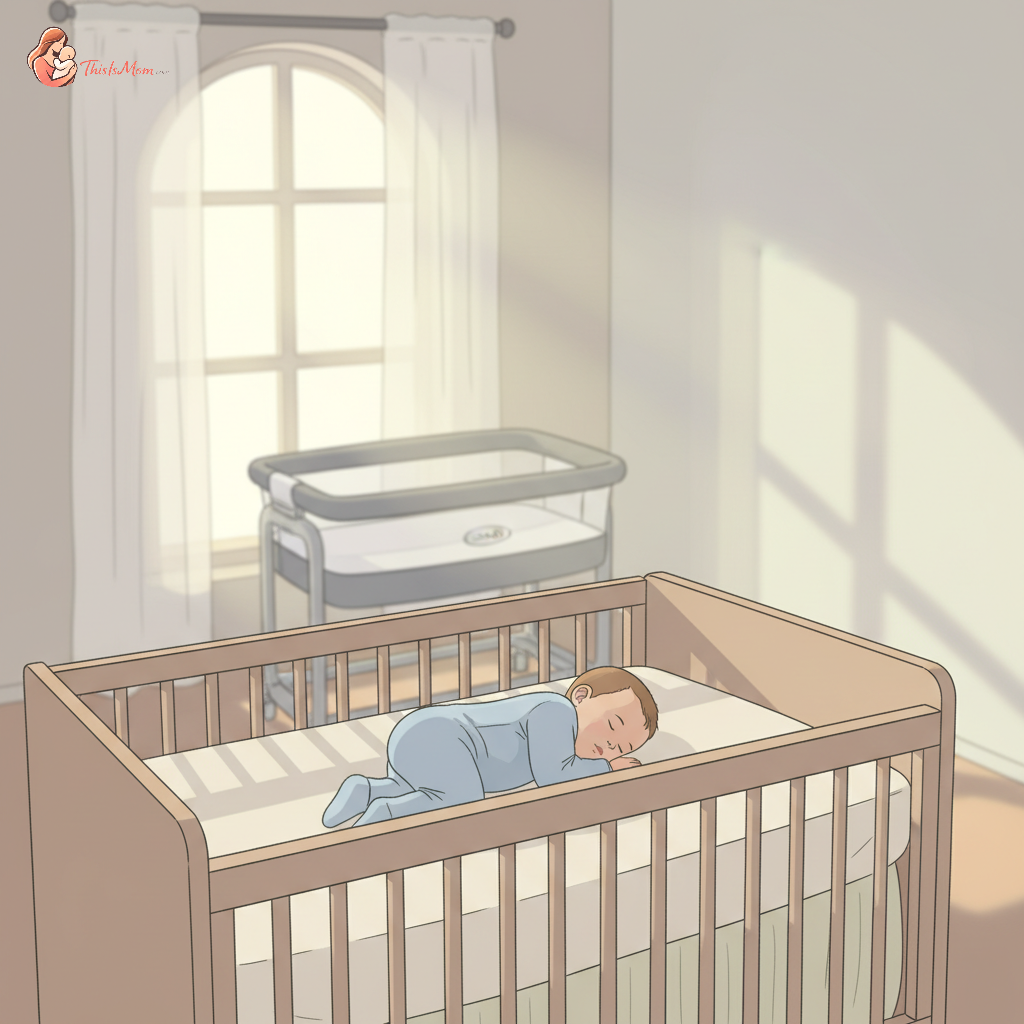
Navigating the Sleepy Seas: Your Guide to Graco SnuggleSwaddle Bassinet Safe Sleep Alternatives & Transitions
Your baby has outgrown the cozy confines of the Graco SnuggleSwaddle bassinet, and now you're wondering about the next step in their safe sleep journey. This transition is a common parenting milestone, and understanding Graco SnuggleSwaddle bassinet safe sleep alternatives is key to ensuring your little one continues to rest soundly and safely. Moving from a familiar sleep space to a new one can bring its own set of challenges, especially for babies who have grown accustomed to a bit of motion. This guide will help you navigate these changes with confidence, drawing on established safe sleep recommendations.
Understanding Safe Sleep for Your Little One
Before diving into specific product discussions, it's crucial to revisit the foundation of infant sleep: safety. The guidelines set forth by organizations like the American Academy of Pediatrics (AAP) are designed to reduce the risk of Sudden Infant Death Syndrome (SIDS) and other sleep-related infant deaths.
What are the Official Safe Sleep Guidelines?
The AAP's recommendations for safe infant sleep are clear and form the basis for any sleep product we consider. The core tenets include:
- Back to Sleep: Always place your baby on their back for every sleep, including naps and nighttime.
- Firm, Flat Sleep Surface: Use a crib, bassinet, or play yard that meets current safety standards. The sleep surface should be firm and flat, covered only by a fitted sheet.
- Bare is Best: Keep the baby's sleep area free of soft bedding, blankets, pillows, bumpers, and stuffed animals.
- Room-Sharing: The AAP recommends that babies sleep in the parents' room, but not on the parents' bed, for at least the first six months, and ideally for a year. This is associated with a reduced risk of SIDS.
- Avoid Overheating: Dress your baby in light sleep clothing if needed and keep the room at a temperature comfortable for an adult.
Is the Graco SnuggleSwaddle Bassinet Safe for Independent Sleep?
Graco SnuggleSwaddle bassinets, like other infant sleep products, are designed with safety in mind when used according to the manufacturer's instructions. Features like gentle rocking or soothing motions are intended to comfort newborns. However, when a baby is placed down for sleep, the AAP's guidelines for a bare, firm sleep surface still apply within the bassinet itself. As your baby grows and develops, their needs and the safety considerations for their sleep space will evolve.
Signs It's Time to Transition from the Graco SnuggleSwaddle Bassinet
Watching your baby grow is a joy, and their development often dictates when it's time to move to a new sleep arrangement. The Graco SnuggleSwaddle bassinet is typically designed for newborns and younger infants.
Age and Developmental Milestones
Generally, most babies will outgrow their bassinet as they approach 4-6 months of age, or when they reach the bassinet's weight limit, whichever comes first. Beyond age and weight, developmental leaps are significant indicators.
When Your Baby Starts Rolling Over or Pushing Up
This is one of the most critical signs that it's time for a change. The AAP states that once a baby can push up on their hands and knees, roll from back to tummy, or roll from tummy to back, they should no longer sleep in a bassinet that has high sides or restraints that could trap them. A crib or a larger, more open sleep space becomes necessary for safety. If your baby is showing these signs of mobility while still in the SnuggleSwaddle, it's time to transition to a safer, more spacious sleep surface.
Transitioning from Bassinet to Crib: A Gentle Approach
Moving your baby to a crib can feel like a big step. Consistency and patience are your best allies during this period. For parents considering crib transition tips, a gradual approach often yields the best results.
Creating a Consistent Sleep Environment
Ensure the crib environment mimics the safety features of the bassinet as much as possible, within safe sleep parameters. This means a firm mattress with a fitted sheet and no extra bedding. Try to keep the crib in the same room as you were using the bassinet for the first several months, as recommended by the AAP for room-sharing.
Introducing the Crib Gradually
Don't feel you need to make a sudden switch. You can start by letting your baby have supervised tummy time on the crib mattress during the day. Then, try having them nap in the crib for their daytime sleep before transitioning to nighttime sleep. If your baby is used to feeling secure and slightly enclosed, a sleep sack or a wearable blanket can provide that feeling without introducing loose bedding.
Discover your baby's phase
Tips for Babies Who Love Motion: Mimicking Comfort Safely
Some babies thrive on the sensation of gentle motion, which the Graco SnuggleSwaddle can provide. Transitioning to a stationary crib can be tricky if your baby is a "motion lover."
- Swaddling (if still appropriate): For younger infants who haven't shown signs of rolling, a snug swaddle can provide a feeling of security. Always stop swaddling when a baby shows signs of attempting to roll. The AAP advises against swaddling once a baby shows signs of rolling over. For help with this, know that weaning from the pacifier can be a similar gentle transition.
- White Noise: A consistent white noise machine can help create a soothing atmosphere, similar to the comforting sounds a baby might hear in a more enclosing bassinet.
- Rhythmic Patting: Gentle, rhythmic patting or shushing can sometimes mimic the sensation of gentle movement and provide comfort.
- Gradual Reduction of Motion: If using a bassinet that rocks or vibrates, try gradually reducing the amount of motion over a few nights. Then, introduce the crib, perhaps still with a very gentle sway of your arms or a rocking chair during the initial transition.
Safe Graco SnuggleSwaddle Bassinet Alternatives & Beyond
As your baby grows, you'll explore other sleep spaces. Understanding safe sleep in a travel crib and other options is crucial.
The Versatility of a Pack 'n Play: Can a Newborn Sleep in It?
A Pack 'n Play, or playard, can be a safe sleep option for newborns, but it's essential to ensure it meets current safety standards and is used correctly. The base of the playard should be firm and flat. For newborns, ensure there are no separate bassinet inserts or elevated attachments unless they are specifically approved by the manufacturer and meet CPSC (Consumer Product Safety Commission) safety standards. The AAP guidelines for a bare sleep surface still apply.
Safe Sleep in a Travel Crib or Playard
When using a playard or travel crib for sleep, always follow the manufacturer's instructions. Ensure the mattress is taut and that there are no gaps between the mattress and the sides of the playard. As with any sleep space, the surface should be firm, flat, and free of any loose items. This makes playards a viable option for extended travel or as a secondary sleep location, similar to finding a safe travel crib for grandparents.
Considerations for Bedside Bassinets: What Makes Them Safe?
Bedside bassinets offer the benefit of keeping your baby close for nighttime feedings and comfort while still in their own separate, safe sleep space. For a bedside bassinet to be considered safe, it should:
- Meet Current Safety Standards: Look for products that comply with CPSC regulations.
- Offer a Firm, Flat Surface: The mattress should be firm and slightly inclined at most.
- Have High, Sturdy Sides: To prevent the baby from rolling out.
- Be Used Bare: No extra padding, blankets, or toys inside the bassinet.
- Allow for Easy Access: Without leaning into the adult bed where there's a risk of entrapment. When looking at safe bedside bassinet options, prioritize those that can be securely attached to the adult bed without creating any gaps.
Troubleshooting Common Sleep Transition Challenges
It's not uncommon for babies to resist changes in their sleep routine. Patience and a consistent approach are vital.
When Your Baby Resists the Crib
If your baby wakes frequently or fusses more in the crib, try reintroducing elements that offer comfort. This might include the white noise machine or a slightly warmer room temperature (but not so warm as to cause overheating). Sometimes, simply spending more quiet time in the crib during the day, for play or cuddles, can help them associate the space with positive experiences. If nap refusal is an issue, you might find gentle tips for baby nap refusal helpful.
Maintaining Sleep Routines During Transitions
Consistency in your bedtime routine is paramount. Whether it's a bath, a story, or a feeding, try to follow the same steps each night, even if you're moving to a new sleep space. This predictability helps signal to your baby that it's time to wind down and prepare for sleep, regardless of the exact location.
When to Contact Your Pediatrician
Trust your parental instincts. If you're concerned about your baby's sleep, their breathing, or if they seem unwell, it's always best to reach out to your pediatrician. They can provide personalized advice based on your baby's specific health and developmental needs.