10 Strategies to Reduce Daycare Germs for Toddlers at Home
Discover effective strategies to reduce daycare germs for toddlers at home. Learn hygiene, immunity, and cleaning tips to protect your family from illness.
Taming the Daycare Germ Trail: Strategies to Protect Your Toddler and Your Whole Household
Your toddler is home from daycare, rosy-cheeked and full of stories. Yet, you also know what that likely means: the inevitable introduction of a whole new cast of microscopic characters to your home. How can you implement practical strategies to reduce daycare germs for toddlers at home and minimize the relentless cycle of sickness? It often feels like a losing battle, with sniffles and coughs becoming a constant soundtrack to family life.
The Inescapable Reality of Daycare Germs
By its very nature, the daycare environment is a hub for germ transmission. Toddlers are in close proximity for extended periods, sharing toys, snacks, and, well, germs. Their immune systems are still developing, making them particularly susceptible to the viruses and bacteria that circulate. This susceptibility means that even a minor cold at daycare can quickly evolve into a family-wide event.
Why Toddlers Embrace the Germs
Young children explore the world with their hands and mouths. Sharing is a developmental milestone, but it also means sharing everything from crayons to saliva. Their developing immune systems haven't encountered many common pathogens yet, making them more likely to contract illnesses and shed them readily. Understanding this natural part of early development can help temper parental frustration.
Knowing When to Hit Pause on Daycare
While it’s impossible to prevent every exposure, there are times when keeping your child home from childcare is necessary and beneficial for everyone. The guidelines from organizations like the Centers for Disease Control and Prevention (CDC) suggest that children with fever, vomiting, diarrhea, or certain rashes should be kept home to prevent further spread. This isn't just about protecting other children; it's also about allowing your own child to recover properly. For parents dealing with these situations, understanding how to find reputable backup childcare for sick days can be a lifesaver.
Your First Line of Defense: Hygiene Habits That Last
Establishing good hygiene habits is fundamental to preventing daycare sickness at home. This involves creating a conscious routine that intercepts germs before they establish a foothold.
The 'Daycare-to-Home' Transition Routine
Before your toddler even brings their backpack inside, initiating a sanitizing routine can make a significant difference. The American Academy of Pediatrics (AAP) generally advises washing hands after coming home from public places. This could look like a quick handwash or sanitizing session right at the door, before little hands touch toys, food, or faces. It's a simple step that acts as a crucial barrier.
Handwashing Heroes: Teaching Tiny Humans and You
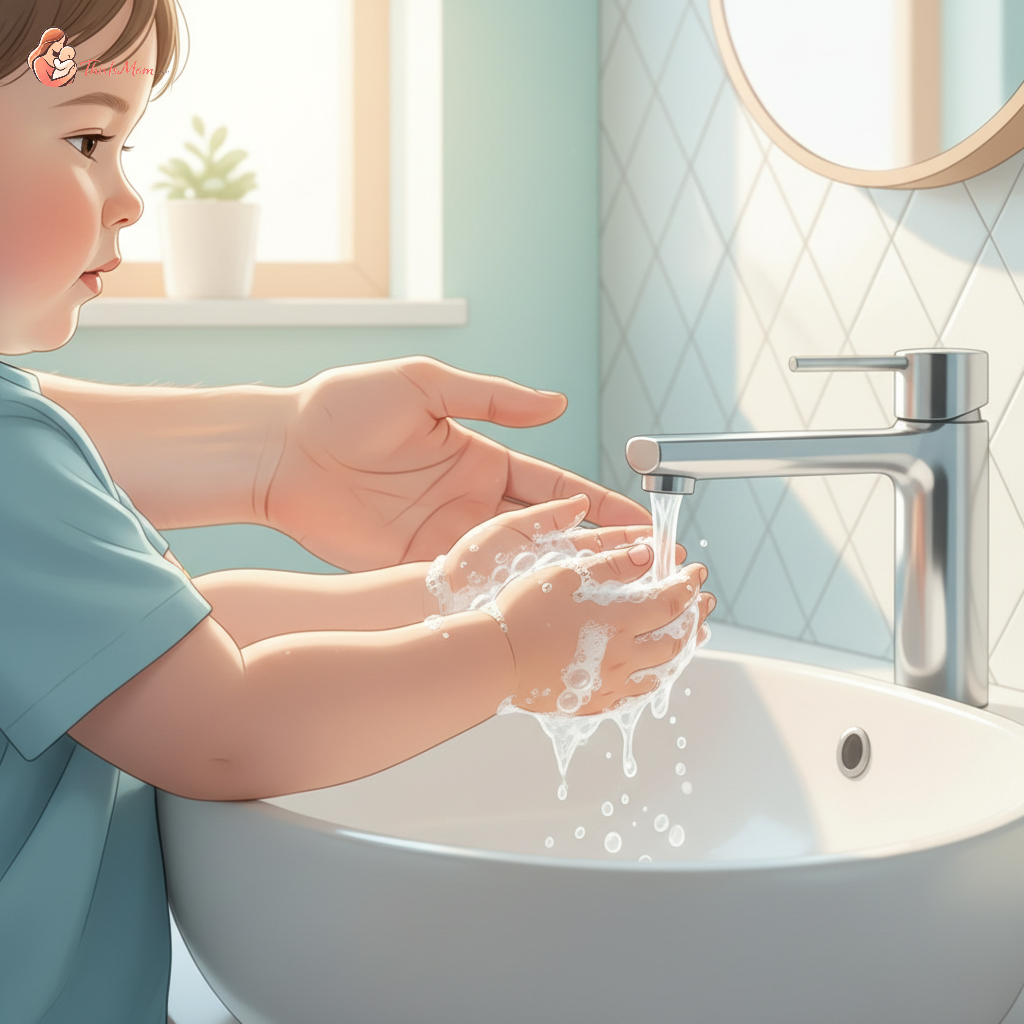
Washing hands thoroughly with soap and water is one of the most effective ways to prevent the spread of germs. The CDC recommends washing for at least 20 seconds, or about the time it takes to sing "Happy Birthday" twice. For toddlers, making it fun is key. Use bubble-blowing soap, sing silly songs, or create a sticker chart to encourage consistent practice. Remember, adults need to model this behavior too, reinforcing the importance of hand hygiene for the entire family.
Taming Shared Surfaces
High-touch surfaces in your home can harbor daycare germs. Implement a quick daily sanitizing routine for doorknobs, light switches, remote controls, and countertops. This doesn't require a deep clean every single day, but a brief wipe-down with a household cleaner or disinfectant can significantly reduce germ populations.
Bolstering Immunity: More Than Just Antiseptics
While hygiene is paramount, supporting your child’s developing immune system from the inside out is equally important. This holistic approach helps their body fight off the germs they do encounter.
Nutritional Power-Ups for a Stronger System
A well-balanced diet provides the building blocks for a robust immune system. Focus on whole foods rich in vitamins and minerals. Fruits and vegetables, particularly those high in Vitamin C and antioxidants, are excellent choices. Include lean proteins, healthy fats, and whole grains to ensure your toddler is getting a wide spectrum of nutrients. For parents concerned about picky eaters, understanding ways to get toddler to eat protein when refusing meat and eggs or learning 7 ways to get them to eat vegetables without hiding them can be very helpful.
Discover your baby's phase
The Indispensable Role of Sleep
Adequate sleep is critical for immune function. During sleep, the body produces and releases cytokines, proteins that help fight inflammation and infection. For toddlers, the recommended sleep duration can vary, but most experts suggest around 11-14 hours per 24-hour period, including naps. Prioritizing a consistent sleep schedule helps their bodies rest and repair, strengthening their defenses. For parents struggling with baby nap refusal at 6 months without crying, ensuring adequate rest is a key part of this process.
Vitamins and Supplements: A Look at the Research
For most healthy children eating a balanced diet, specific vitamin supplements may not be necessary. However, certain nutrients like Vitamin D are often recommended by pediatricians, especially in regions with less sunlight. If you are considering any supplements for your child, it is crucial to consult with your pediatrician. They can assess your child's individual needs and offer evidence-based advice, as the research on supplements for general immune support in children is varied.
Germ Management in Practice: Home Strategies
Beyond personal hygiene, certain environmental strategies can help manage the flow of daycare germs within your home.
Air Quality Considerations
Good ventilation can help reduce the concentration of airborne viruses and bacteria. Opening windows for a short period each day, even in cooler weather, can improve air circulation. Air purifiers with HEPA filters can also be beneficial in trapping airborne particles, including allergens and germs, especially in high-traffic areas like living rooms or bedrooms.
Laundry Patrol: Washing Wisely
Regularly washing clothes, bedding, and any fabric items that come into contact with your child is essential. The CDC suggests washing items soiled with bodily fluids in hot water and drying them on a hot setting to kill germs. Pay attention to frequently used items like stuffed animals or blankets, which may need more frequent washing.
Toy Sanitization: Keeping Playthings Clean
Toys are prime real estate for germs, especially in homes with toddlers. For hard, non-porous toys, washing with soap and water or running them through the dishwasher (if suitable) is effective. For softer toys or those that cannot be washed, regular dusting and occasional sanitizing with a mild disinfectant spray or wipes can help. Always rinse thoroughly if using any cleaning solutions.
When Germs Invade: Minimizing Family Spread
Despite your best efforts, illnesses will happen. When a family member gets sick, implementing strategies to minimize the spread to others becomes the priority.
Creating a Containment Zone
If possible, designate a primary living area or bedroom for the sick individual to rest and recover. This helps limit their contact with other family members and reduces the number of areas that need thorough disinfection. Ensure they have easy access to tissues, water, and any necessary medications.
Avoiding Cross-Contamination in Shared Spaces
In shared spaces like bathrooms and kitchens, extra vigilance is needed. Consider using separate towels for the sick person, and be diligent about washing hands frequently, especially after contact. Disinfecting surfaces that the sick individual touches becomes even more critical during this period.
When to Seek Professional Guidance
While minor illnesses are common, it's important to know when to call your pediatrician. The AAP provides guidance on when to seek medical attention, which typically includes high fevers, difficulty breathing, persistent vomiting or diarrhea, signs of dehydration, or any unusual symptoms that cause concern. They can provide specific advice tailored to your child's condition and help determine the best course of action for managing their illness and preventing further spread within the family.