Encourage Independent Play in Your 2.5-Year-Old
Discover how to encourage independent play in your 2.5-year-old. Foster creativity, self-reliance, and cognitive growth with practical tips and environment setup.
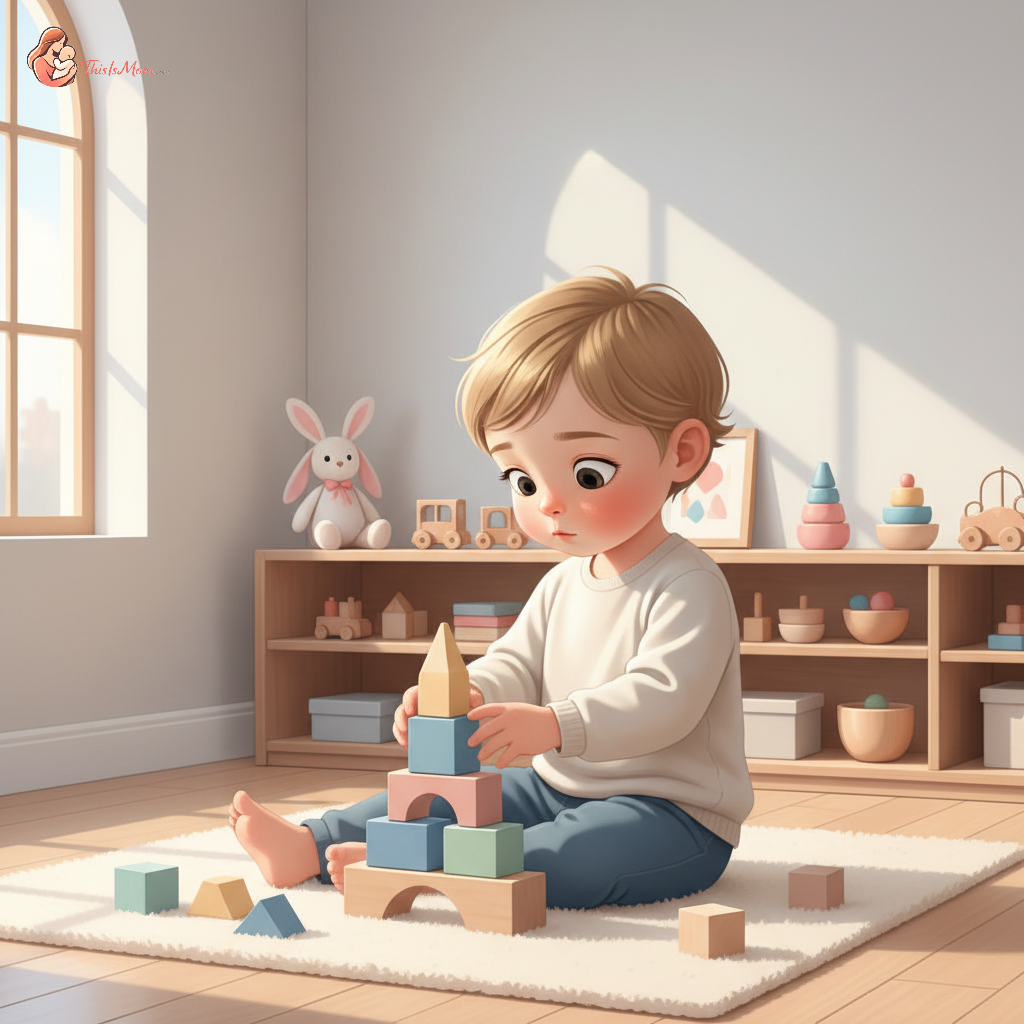
The Magic of Solo Adventures: How to Encourage Independent Play in Your 2.5-Year-Old
Before reaching for another toy catalog, take a moment to simply observe your 2.5-year-old. What captures their attention? Where does their gaze linger? What actions do they repeat with focused intensity? This quiet observation is the first step in understanding how to encourage independent play in your 2.5-year-old, and it’s a powerful tool for fostering their innate capabilities.
This isn't about abandoning your child to entertain themselves, but rather about building their capacity for self-directed engagement. It's a delicate dance of preparing an environment that invites exploration and then stepping back to allow them to lead. The benefits for their developing minds and your own well-being are profound, creating a harmonious rhythm for your family.
The Quiet Power of Playing Alone
There’s a quiet magic that unfolds when a child is fully absorbed in their own world of discovery. This isn't just downtime; it’s a critical period for cognitive and emotional growth.
Building Brainpower, One Toy at a Time
When a child engages in independent play, they are building the foundations for complex problem-solving and critical thinking. They are the architect, the scientist, the storyteller, and the engineer of their own miniature universe. This child-led exploration allows them to experiment with ideas, test hypotheses, and discover cause and effect at their own pace.
This deep engagement fosters creativity and imagination, allowing the child to invent scenarios, create characters, and build intricate worlds from simple materials. It’s a natural process of learning that doesn’t require external direction.
Nurturing Emotional Resilience and Self-Reliance
Independent play is fertile ground for developing emotional regulation. When faced with a challenge – a block tower that tumbles, a puzzle piece that won’t fit – the child learns to manage frustration and to persist. They build confidence with each small success they achieve on their own.
This builds a sense of self-efficacy, the belief that they are capable of handling things. It’s a vital step towards self-reliance, empowering them to tackle new situations with greater assurance.
A Breath of Fresh Air for Parents
Let's be honest: the constant need for direct engagement can be exhausting. The beauty of fostering independent play is that it creates pockets of calm for you. These moments aren't about escaping your child, but about allowing them the space to grow while you recharge. This can be especially helpful as parents navigate challenges like mom guilt returning to work after maternity leave or simply needing a moment to themselves.
These moments can be as simple as enjoying a warm cup of tea, catching up on a few pages of a book, or simply having a quiet moment to yourself. This break benefits everyone, allowing you to return to your child with renewed energy and patience.
Preparing the Canvas for Exploration
Creating an environment that naturally invites independent play is less about buying specific toys and more about thoughtful organization and accessibility.
The Art of Less: Decluttering and Organizing
A cluttered space can be overwhelming for a child, making it difficult to focus. Think of it as presenting a beautifully curated museum exhibit rather than a chaotic toy store. Rotate toys regularly, keeping only a select few easily accessible at any given time. This keeps things fresh and prevents sensory overload.
Organize materials by type in low, open shelves or bins. This allows the child to see their options and make their own choices, fostering a sense of ownership over their play.
The 'Yes' Space: Safe Zones for Discovery
Designate areas in your home as child-safe zones where they have the freedom to explore without constant supervision. This could be their bedroom, a corner of the living room, or even a designated play area. Ensure these spaces are free of hazards and stocked with age-appropriate, engaging materials.
The key is to create an environment where you can truly relax, knowing they are safe to explore and experiment.
Sparking Sustained Engagement: Toy Choices
The most effective toys for independent play are often the simplest. Look for open-ended materials that can be used in multiple ways. Wooden blocks, natural loose parts (like smooth stones, shells, or wooden discs), play silks, and simple art supplies encourage creativity and sustained engagement.
Avoid toys with too many flashing lights or pre-programmed sounds. These can dictate the play and limit the child’s imagination. The goal is to provide materials that spark their own ideas.
Gentle Nudges Toward Self-Directed Play
Encouraging your child to play independently is a gradual process that requires patience and observation.
The Warm-Up: Playing Together First
Discover your baby's phase
Before stepping back, engage with your child in their play. Show them how a particular material can be used, or join them in building a tower. This "warm-up" period helps them understand the possibilities and builds their confidence with the materials.
During this time, follow their lead. If they are stacking blocks, you stack blocks. If they are pretending to feed a doll, you join in that imaginative scenario. This shared experience builds connection.
The Graceful Exit: Stepping Back Slowly
Once they are engaged, begin to gradually withdraw. You might move to a nearby chair, or move to another quiet activity in the same room. The key is to remain present but not intrusive. This allows them to feel secure while still having the space to direct their own play. Daycare separation anxiety is common at this age, and practicing gradual departures at home can help.
Watch for cues that they are comfortable and engrossed. If they look to you for constant interaction, you might need to slow down your withdrawal.
Invitations, Not Instructions
When introducing new activities, present them as gentle invitations. Place a basket of natural loose parts on the floor, or set up a simple art station with paper and crayons. Avoid over-explaining or directing their every move.
Allow them to discover the purpose and possibilities of the materials on their own. This fosters a sense of agency and curiosity.
The Power of Observation
One of the most valuable skills you can cultivate is the art of observation. Resist the urge to interrupt when they are deeply focused. Non-interference allows them to work through challenges, refine their ideas, and develop their own problem-solving strategies. Understanding how to interpret your toddler's communication, such as when a toddler avoids eye contact but babbles and points, can also be part of this observational skill.
Trust that the child is learning and growing, even when it doesn’t look like it to you. This quiet presence is a powerful form of support.
Navigating Common Independent Play Puzzles
Even with the best preparation, there will be moments that test your patience. Understanding these common hurdles can help you navigate them with grace.
"You Come With Me!": Separation Anxiety
It's common for 2.5-year-olds to experience separation anxiety, especially as they become more aware of your presence. If your child follows you everywhere, try to gradually increase the time you spend apart.
Start with very short periods of time in separate rooms, ensuring they have engaging activities available. Reassure them you will return, and make your returns predictable. Gradually increase these intervals as they become more comfortable.
The Dreaded "I'm Bored!"
This phrase can feel like a personal indictment. Instead of jumping to fix it, see it as an invitation for them to explore their options.
Remind them of the materials available, or gently suggest an activity they’ve enjoyed before. Sometimes, a few minutes of quiet reflection is all that’s needed for them to find their own spark of interest. It's also worth noting that the impact of screen light on toddler sleep and aggressive behavior can sometimes manifest as restlessness or difficulty self-soothing, making boredom a more frequent complaint.
Realistic Expectations for This Age
At 2.5 years old, independent play might look like 10-20 minutes of focused engagement. It's not about hours of uninterrupted solo activity. Celebrate these shorter bursts of self-direction as significant achievements.
As they grow, the duration and depth of their independent play will naturally increase. Focus on the quality of their engagement, not just the quantity.
Simple Play Prompts for Little Explorers
Here are a few ideas to get you started, using materials you likely already have around the house:
- Sensory Bin Delights: Fill a shallow bin with dry pasta, rice, beans, or even water (with close supervision!). Add scoops, cups, and small containers. This provides endless opportunities for pouring, scooping, and tactile exploration.
- The Imagination Station: Gather items for pretend play: old scarves, hats, play food, empty boxes, a baby doll. These simple props can fuel hours of imaginative scenarios.
- Building Bonanza: Provide a variety of building materials like wooden blocks, Magna-Tiles, or even sturdy cardboard boxes. Encourage them to create towers, houses, or whatever their imagination dreams up.
- Quiet Corner Comforts: A cozy nook with a few board books and simple wooden puzzles can be a wonderful invitation for quiet, focused time.
Cultivating your child's ability to play independently is a gift that keeps on giving. It nurtures their confidence, creativity, and problem-solving skills, while also offering you those precious moments of calm. This week, try preparing just one small invitation for independent play and observe the magic unfold.