Toddler Only Eats Sugary Cereals? Manage Picky Eaters Safely
Struggling with a toddler who only eats sugary cereals? Discover gentle, effective strategies to reduce sugar, introduce new foods, and build healthier breakfast habits without mealtime battles.
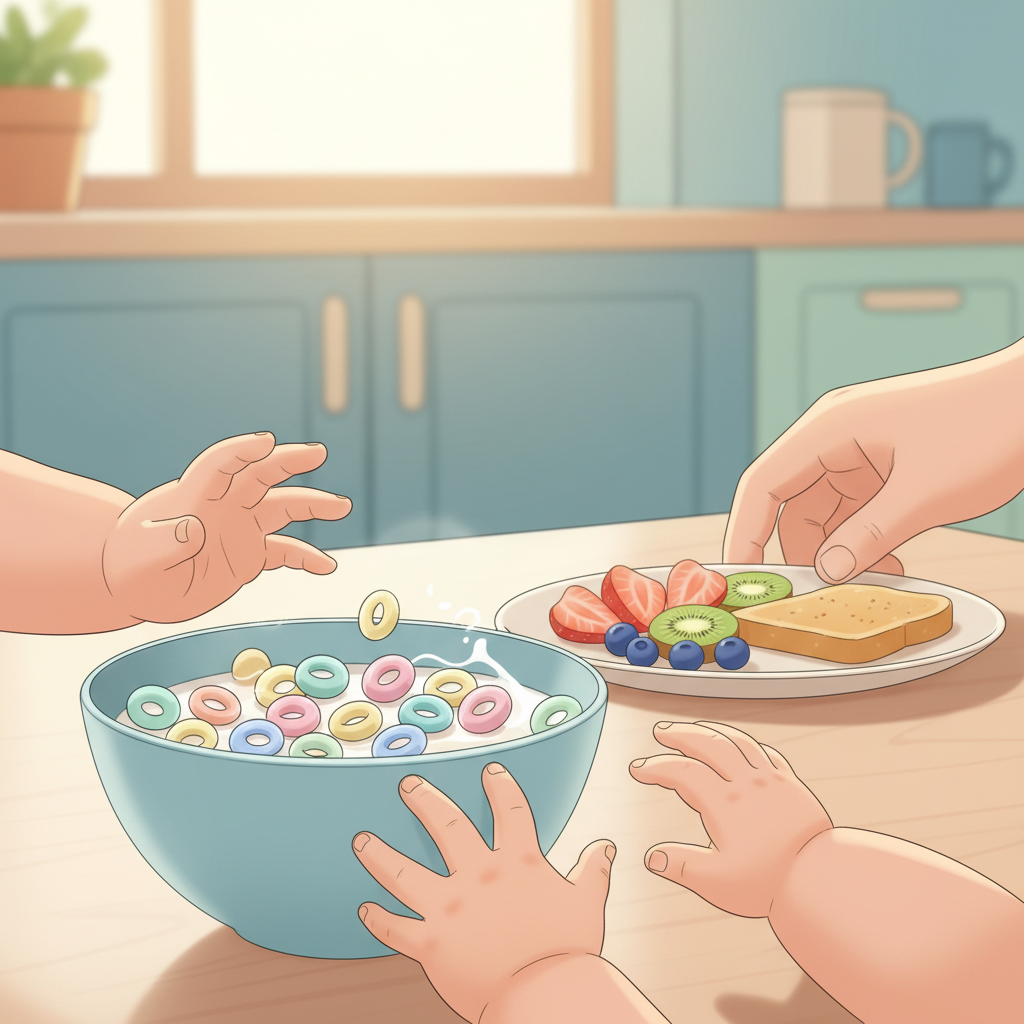
How to Manage a Toddler Who Only Eats Colorful Sugary Cereals
Your toddler has discovered the siren song of sugary cereal, and suddenly your mornings are a battleground. If you're navigating this common frustration, you're not alone. This guide offers practical, evidence-based strategies to gently steer your little one toward healthier breakfast habits, focusing on connection and consistency rather than conflict.
The Magnetic Pull of Sweetness: Understanding Your Toddler's Cereal Craze
It’s no accident that colorful, sugary cereals are often a toddler’s breakfast of choice. Young children have a naturally heightened preference for sweet tastes. This is, in part, an evolutionary trait; science suggests that sweetness often signals energy and is generally safe. This makes it appealing to little ones as they explore the world through taste.
This innate preference means that less sweet, more complex flavors might not be as immediately captivating. When faced with a rainbow of sugar-coated puffs or flakes, the choice for a toddler is often clear. It’s important to remember that this isn't defiance, but rather a reflection of their developing palate and biological drives.
When Sugar Becomes the Main Course: The Downsides of a Sugary Cereal Diet
While an occasional bowl of sugary cereal might not derail long-term health, relying on it daily can have consequences. The primary concern is the rapid spike and subsequent crash in blood sugar levels. This can lead to a toddler who is initially energetic but quickly becomes irritable, lethargic, and prone to meltdowns.
Furthermore, these cereals often lack essential nutrients like fiber, protein, and healthy fats that are crucial for sustained energy, growth, and cognitive development. Over time, a diet heavily skewed towards sugar can contribute to less-than-ideal eating habits and make it harder for them to accept less sweet, nutrient-dense foods. Research suggests a link between early high sugar intake and preferences that can persist into childhood.
A Gentle Transition: Strategies to Reduce Sugar Intake
The goal is not an immediate, all-or-nothing ban on cereal, which can backfire and lead to intense toddler food battles. Instead, a gradual, supportive approach is more effective. This process is often referred to as “weaning your toddler off sugar” in discussions among parents.
Introduce New Foods Alongside Cereal
One effective strategy is to serve a tiny portion of the less-preferred, healthier food right next to their familiar sugary cereal. This allows them to see it, get accustomed to its presence, and perhaps even try a nibble without the pressure of it being the main event. Guidelines from organizations like the American Academy of Pediatrics (AAP) emphasize repeated exposure to new foods. Don’t be discouraged if they ignore it initially; consistency is key.
Dilute the Sweetness
You can also gradually dilute the sweetness. This might involve:
- Smaller Portions: Serve a slightly smaller portion of the sugary cereal.
- Mixing it Up: Combine a small amount of the sugary cereal with a larger portion of a plain, whole-grain cereal (like plain Cheerios or shredded wheat). Over time, you can shift the ratio further. Check out these 7 Easy Iron-Rich Vegetarian BLW Recipes for 1-Year-Olds for more nutrient-dense meal ideas.
- Reducing Sugar Toppings: If they add sugar, gently steer them towards other natural toppings like a few berries. Consider exploring the 5 Best On-the-Go Snack Pouches for Active Toddlers (No Sugar).
Make Healthy Choices Fun
Engage your child’s imagination. Use cookie cutters to make shapes out of whole-wheat toast or pancakes. Offer brightly colored fruits and vegetables as "fun" additions. Sometimes, simply presenting food in a playful way can pique a toddler's interest.
Breakfast Breakthroughs: Healthier Alternatives for Picky Eaters
Discover your baby's phase
The idea is to offer appealing, nutrient-rich options that can satisfy a toddler's appetite and energy needs. Research suggests that offering a variety of textures and flavors within a balanced meal can be beneficial.
Creative Cereal Swaps
Look for whole-grain cereals that are naturally lower in added sugar. Many brands now offer whole-grain options with minimal added sugar. You can then add natural sweetness through:
- Fresh fruit (berries, sliced banana, diced apple)
- A swirl of plain yogurt
- A small sprinkle of cinnamon
Beyond the Bowl: Quick and Easy Balanced Breakfasts
Not all breakfasts have to be cereal. Consider these fast and healthy options:
- Whole-wheat toast with avocado or a thin layer of unsweetened nut butter.
- Scrambled eggs (a good source of protein).
- Oatmeal made with milk or water, topped with fruit. For babies starting solids, you might find these Best Finger Foods for 7-Month-Old with No Teeth (BLW) helpful.
- Yogurt parfaits with fruit and a sprinkle of granola.
- Smoothies made with fruit, yogurt, and a leafy green like spinach (they often can't taste it!).
Involve Your Child in Meal Preparation
When age-appropriate, letting your toddler help can increase their willingness to try new foods. Even simple tasks like washing berries, stirring ingredients, or placing fruit on a plate can make them feel invested in the meal. This is a great way to reduce toddler food battles before they even start.
Navigating Food Battles and Setting Boundaries
When addressing picky eating and sugary cereal habits, it’s crucial to approach it with patience and a clear strategy. The American Academy of Pediatrics (AAP) encourages parents to create a positive mealtime environment.
Avoiding Power Struggles
Mealtimes can become stressful if they turn into a power struggle. Try to avoid forcing your child to eat something they refuse or bribing them with dessert. This can inadvertently increase the perceived value of the forbidden food and create a negative association with eating. Instead, focus on offering healthy options and allowing your child to decide how much they will eat from what is presented. Guidelines suggest that children are generally adept at self-regulating their intake if offered appropriate foods. If screen time is a related issue, consider Gentle Parenting Alternatives to Time-Outs for Screen Addiction.
Consistency is Key
Establishing a predictable routine for meals and snacks can help. Offer breakfast around the same time each day, and ensure that snacks are not so close to meals that they spoil their appetite. When introducing new foods or changing the cereal offering, be consistent. If you’ve decided to offer a lower-sugar option, stick with it for a few days. This consistency helps your toddler understand the new expectations. To help maintain structure, learn to Maintain Consistent Routine Across Daycare & Home.
When to Seek Professional Advice
Most picky eating phases are temporary and resolve with patient, consistent strategies. However, if you have significant concerns about your toddler's nutrition, growth, or if they are showing signs of extreme food restriction, it's always a good idea to consult with your pediatrician. They can assess your child's individual needs and provide tailored guidance.