Toddler Refusing Previously Loved Textures? 5 Gentle Reintroductions
Is your toddler suddenly refusing previously loved textures like mashed foods? Discover gentle strategies to reintroduce textures, understand the 'why,' and when to seek professional help for picky eaters.
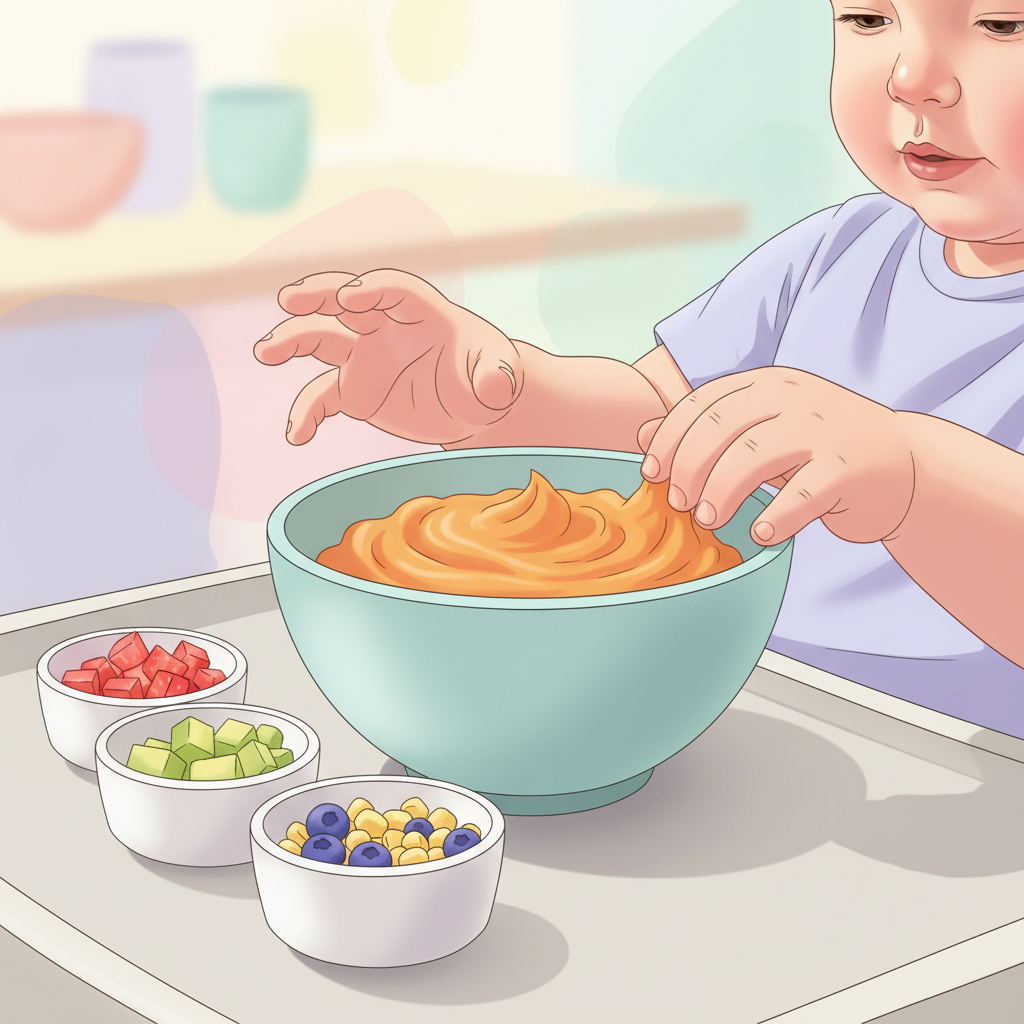
Toddler Refusing Previously Loved Textures? A Gentle Guide to Reintroduction
Your toddler, who once happily enjoyed mashed sweet potatoes and pureed pears, has suddenly decided that anything soft or blended is now undesirable. This shift, often occurring around the toddler years, can be baffling and frustrating for parents. If you're grappling with a toddler refusing previously loved textures, particularly mashed foods, you're not alone. It's a common parenting challenge, but understanding the "why" can pave the way for gentle, effective "how-tos."
Navigating the Shift in Your Toddler's Food Preferences
It's disorienting when foods that were once favorites are now met with a firm "no." This change in eating behavior can evoke a whirlwind of emotion for parents, often leading to questions about what went wrong or how to steer their child back to a more varied palate. The good news is that for many families, this is a temporary phase. However, for others, it can signal a need to explore a bit deeper.
The Ever-Changing World of Toddler Appetites
Developmentally, toddlers are navigating a fascinating period of growth and independence. Their food preferences can shift rapidly; what they enjoyed yesterday, they might reject today. This is often intertwined with typical picky eating phases that many children experience during this stage. The American Academy of Pediatrics (AAP) notes that picky eating is common in toddlers and preschoolers. They suggest focusing on offering a variety of healthy foods, rather than succumbing to demands for only preferred options. This foundational advice underpins many strategies for managing food texture issues.
Sensory Processing Differences: A Closer Look
Sometimes, food texture aversion goes beyond typical pickiness. For some children, it can be connected to sensory processing differences. This is where a child might be over- or under-sensitive to sensory input, including the feel, smell, or taste of food in their mouth. When a child shows a strong negative reaction that seems disproportionate to the food itself, or when aversion to textures is persistent and impacts nutrition, it might be worth exploring this further. This doesn't automatically mean a diagnosis, but rather an awareness that some children experience the world, and their food, differently.
Beyond Texture: Other Factors at Play
It's also important to consider other transient reasons for a toddler's sudden dislike of certain foods:
- Teething: New teeth emerging can make chewing or even the sensation of food in the mouth uncomfortable.
- Illness: A recent cold or stomach bug can alter a child's taste buds or general appetite. For this, you might find relief with natural fixes for toddler constipation when starting solids if their appetite is affected.
- Desire for Control: Toddlers are asserting their independence, and food is an area where they can often exercise control. Refusing food can be a way of saying "I'm in charge."
Gentle Ways to Reintroduce Textures
When your toddler is refusing previously loved textures like mashed foods, the key is to approach it with patience and a low-pressure environment. The goal is to reintroduce textures without creating a mealtime battleground.
The "Exposure, Not Pressure" Philosophy
This approach, often recommended by feeding specialists, focuses on simply making foods available without forcing the child to eat them. Research suggests it can take many exposures (sometimes 10-15 or even more) for a child to even try a new food, let alone accept it. The idea is that repeated, positive exposure can gradually increase a child's comfort level. Forcing a child to eat can create negative associations and backfire. For a 7-month-old, focusing on best finger foods for baby led weaning with no teeth can be a great way to ensure they are still exploring different textures safely.
Creative Ways to Offer Texture
Instead of direct confrontation, try innovative methods for presenting food:
- Deconstruct meals: Serve components separately. Instead of a casserole, offer the chicken, the pasta, and the sauce on the side.
- Modify textures slightly: If mashed foods are out, try very finely diced soft foods, like tiny pieces of cooked carrot or soft chicken.
- Mix and match: Gradually introduce a preferred texture alongside a less-preferred one. For example, serve a preferred crunchy cracker with a very small portion of a smoother dip.
- Use fun shapes and tools: Cookie cutters can make soft foods more appealing. Offer dips that a child can use their fingers or a spoon to explore. Exploring easy iron-rich vegetarian BLW recipes for 1 year olds might also introduce new textures in fun ways.
Cultivating a Positive Mealtime Atmosphere
Discover your baby's phase
The environment at the table significantly impacts how a child engages with food:
- Eat together as a family: Children learn by example. Seeing you and other family members enjoy a variety of foods is powerful.
- Keep it light: Avoid scrutinizing what your child eats or doesn't eat. Offer the food, and let them decide.
- Minimize distractions: Turn off screens and put away toys during mealtimes to help your child focus on eating. For guidance on managing screen time, check out our guide to transition toddler screen time to outdoor play without meltdowns.
When to Consider Professional Support for Texture Aversion
While many instances of food texture aversion are part of typical toddler development, there are times when it warrants a closer look from professionals. Understanding the red flags can help you know when to seek more specific guidance.
Identifying the Red Flags
When a child's food refusal is more than just a temporary phase, certain signs may indicate an underlying issue that needs attention:
- Significant nutritional deficiencies: If your child is losing weight, not gaining weight appropriately, or is missing key nutrients due to very limited food choices. You might also consider the best non-toxic toddler snack cups for travel to ensure convenient, healthy options are always available.
- Extreme distress: If mealtimes consistently involve intense tantrums, gagging, vomiting, or extreme anxiety about food.
- Interference with daily life: If the aversion is so severe that it impacts social situations (like parties) or family outings.
- Very limited food repertoire: A child who will only eat a handful of foods, especially if those foods lack nutritional value.
Consulting with Your Pediatrician
The first step for any parental concern about a child's development or health is usually to consult with their pediatrician. They can assess your child's overall growth and development, discuss your concerns in detail, and rule out any medical issues. Your pediatrician can provide tailored advice and, if necessary, refer you to specialists such as a pediatric dietitian, speech-language pathologist specializing in feeding, or an occupational therapist. It's also important to know when to seek help if your toddler refuses to stand after falling for unrelated reasons.
Understanding Sensory Processing Disorder (SPD) and Food
Sensory processing disorder (SPD) is a neurological condition where the brain has trouble receiving and responding to information that comes in through the senses. For children with SPD, food textures, smells, and even taste can overwhelm their senses. If sensory processing issues are suspected, professionals like occupational therapists can work with your child on developing strategies to manage sensory input, which can significantly improve feeding challenges. They can help identify specific sensory triggers and develop desensitization techniques.
Keeping Your Own Balance Through Feeding Challenges
Navigating a toddler who is refusing previously loved textures can be exhausting and emotionally taxing. It's crucial to remember to care for yourself amidst these feeding challenges.
Reframing Expectations and Mealtime Dynamics
Power struggles over food rarely lead to positive outcomes. Try to shift your mindset from "making them eat" to "offering healthy options and fostering a positive relationship with food." Focus on the overall eating patterns across the week, rather than stressing about a single meal. Celebrate small victories, such as your child touching a new food or sitting calmly at the table while others eat.
Prioritizing Overall Nutrition
Remember that a child's diet doesn't have to be perfect at every single meal. Focus on the nutritional intake over a longer period. If your toddler has a few days of eating mainly carbohydrates, try to ensure they're getting a balanced intake in the days that follow. Don't be afraid to repeat exposures to nutritious foods that were previously accepted. Sometimes, a child just needs a reminder of what food can be like. For convenient and varied options, explore the 5 best on-the-go snack pouches for active toddlers with no added sugar.
Self-Care for Parents
Parenting is demanding, and feeding challenges add another layer of stress. Ensure you are carving out time for yourself. This might be as simple as taking a few deep breaths before a meal, connecting with supportive friends or family, or engaging in a hobby. Remember that you are doing your best to provide for your child. Seeking support from your pediatrician and trusting your instincts are key.