Weaning: Handle Your 1-Year-Old Fighting Pacifier at Night
Learn gentle strategies and practical tips for handling a 1-year-old fighting the pacifier at night. Help your little one transition to peaceful, pacifier-free sleep with consistency and love.
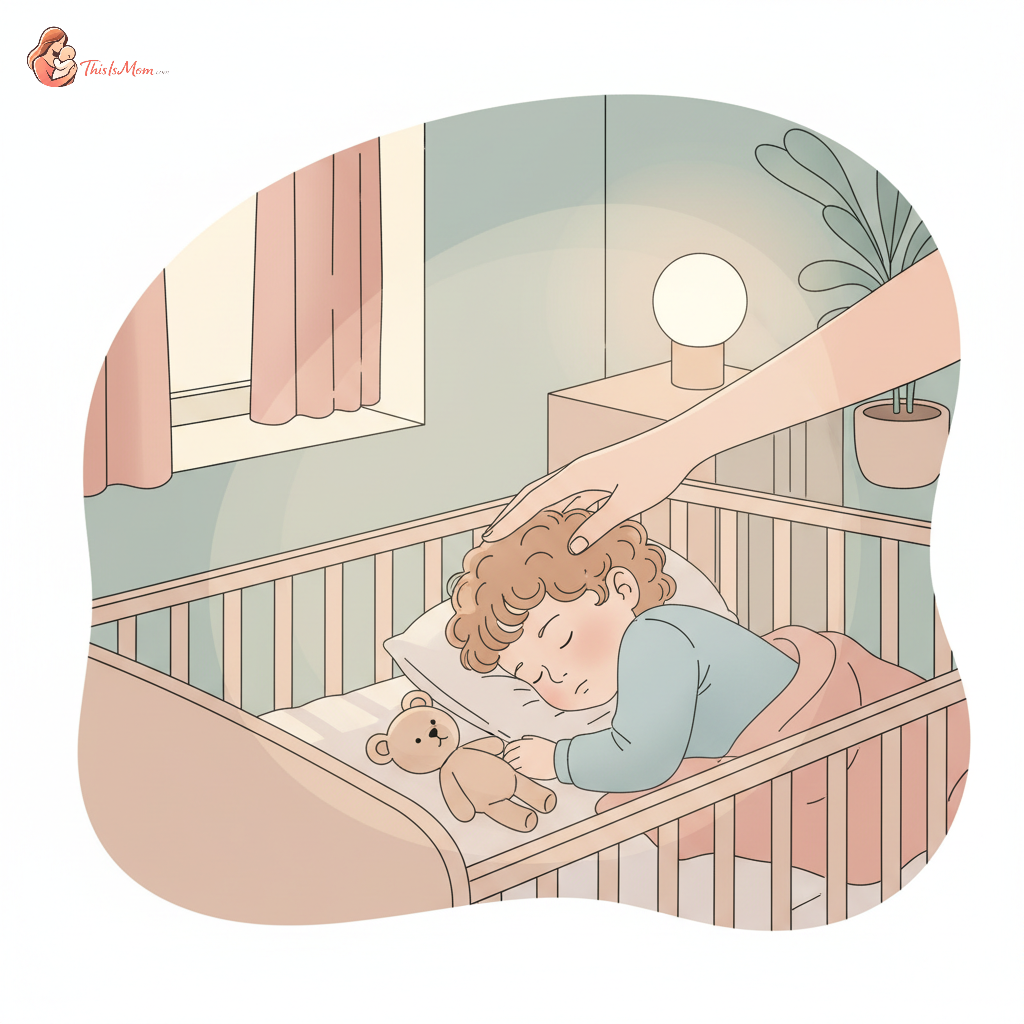
The Great Pacifier Exodus: Navigating a 1-Year-Old Fighting the Pacifier at Night
With my first child, the pacifier was my golden ticket to a few hours of sleep. I remember tiptoeing into his nursery at 3 AM, heart pounding, just to re-insert that little silicone savior. By my fourth, the hallway light was still on, and I was in my kids' room, not for a pacifier retrieval mission, but to gently coax him back to sleep without one. Looking back, the difference wasn't in the kids, but in my understanding of what was essential for peace – both theirs and mine.
If I could tell my younger self one thing, it would be to understand that phases are just that: phases. Many parents find themselves asking how to handle a 1-year-old fighting a pacifier at night because this age often brings new awareness and a desire for independence. The pacifier, once a simple comfort, can become a point of contention. These parenting habits fostering self-control can be helpful as your child grows more independent.
When the Pacifier Becomes a Puzzle
Around their first birthday, babies start developing a stronger sense of self and a burgeoning ability to communicate their desires, even if it's through a determined grunt or a forceful shove. This is a completely normal part of their development. The pacifier, which used to be a seamless tool for soothing, might now be actively rejected or become a source of nighttime fussing.
You might wonder, "Is it okay for a 1-year-old to sleep with a pacifier?" Absolutely. There’s no magic age where pacifier use suddenly becomes problematic. Many pediatricians and dental associations suggest that while moderate pacifier use is generally fine, starting the weaning process before permanent teeth come in (around age 2-3) is a good idea. However, for some little ones, their focus shifts around age one, and the pacifier might start hindering rather than helping sleep. The transition can feel like a significant hurdle, especially if you're wondering how to wean a baby off a pacifier at 1 year old. This is a common challenge, but remember 13 common parenting mistakes can arise if we aren't mindful of developmental stages.
Gentle Departures from Dummy Use
The big question: how to wean a baby off a pacifier at night? There are varying philosophies, and what works for one family might not for another. The two most commonly discussed approaches are going 'cold turkey' or employing a more gradual method.
- Cold Turkey: This involves removing all pacifiers, offering no replacements, and navigating the initial protests. For some children and parents, this is the quickest route, though the initial days can be intense.
- Gradual Method: This involves slowly reducing reliance. This could mean limiting pacifier use to sleep times only, then perhaps only bedtime sleep, and eventually removing it altogether. This approach often feels more manageable for sensitive children and parents, often leading to fewer tears over a longer period.
You'll want to evaluate what feels most humane and sustainable for your family.
Before you even think about removing the pacifier, focus on creating a strong support system for your child’s sleep. This is where setting the stage comes in. Ensure your child has a beloved comfort item – a soft blanket or a stuffed animal. This object can become a new source of security. For example, if your baby is fighting the swaddle, transitioning to a lovey can be a good alternative, just ensure it's safe for sleep when baby starts rolling.
Also, consider introducing new soothing techniques before you eliminate the pacifier. This could be extra snuggles, a soft lullaby, a gentle back rub, or a quiet story. The goal is to help your child learn to self-soothe in ways that don't rely on the pacifier. This is also a good time to solidify your nighttime routine. A predictable sequence of events – bath, pajamas, story, song, bed – signals to your child that it’s time to wind down and feel safe.
When Your Little One Puts Up a Fight
Discover your baby's phase
So, you've decided to reduce pacifier use, and suddenly, your formerly settled baby is fighting sleep like a tiny Olympian. This is where most parents start questioning everything and frantically searching for how to get a 1 year old to sleep without a pacifier.
First, take a deep breath and remember that resistance is normal. Your child is learning to adapt to a change. Consistency is your most powerful ally here. Stick to your chosen method, whether gradual or cold turkey, and try not to waver. If you offer the pacifier one night and refuse it the next, it sends a confusing message.
When your child cries or fusses, your instinct is to soothe. This is right, but it’s about adjusting how you soothe. Instead of immediately reaching for the pacifier, try offering your presence. Sit by their crib, speak in a calm, low voice, and offer a hand to hold. Reassure them that you are there and that they are safe. You want to show them they can find comfort in your closeness and perhaps in their new comfort item, not just the pacifier. This is about building new coping mechanisms. This ties into learning to manage daycare drop-off anxiety as well, where consistency and reassurance are key.
Pocketful of Peace: Practical Tips for Pacifier-Free Nights
Navigating this transition requires a bit of preparation and a lot of patience. Here are some practical strategies that might help you and your little one find peaceful, pacifier-free nights:
- Optimize the Sleep Environment: Ensure their room is dark, quiet, and a comfortable temperature. A white noise machine can be a wonderful tool to block out household sounds and create a consistent, soothing atmosphere. This is also vital for maintaining baby's sleep schedule during Daylight Saving Time.
- The Power of Playful Distraction: During waking hours, especially before bedtime, you can playfully "lose" the pacifier. "Oh no, where did the paci go? Let's find your teddy!" This helps normalize the idea of the pacifier being absent.
- Verbalize and Validate: Even though your one-year-old may not have a large vocabulary, they understand tone and emotion. Talk about it in simple terms. "The paci is all done for sleep time now; you are a big kid!" Acknowledge their feelings: "I know you miss the paci, but Mommy/Daddy is right here."
- The Pacifier Fairy: For older toddlers, sometimes the "Pacifier Fairy" (or a similar magical character) can visit overnight and exchange pacifiers for a special toy. This works best for children closer to age two or who have a good grasp of fantasy. While your one-year-old might not fully grasp the concept, the ritual itself can be a turning point for some.
- Offer Alternatives Freely: Make sure toys, books, and especially their comfort item are readily accessible in their crib once the pacifier is gone. This offers them something else to engage with if they wake.
Remember, getting rid of a pacifier at age 2 is a common goal, but you're starting the process now, which is excellent. The key is to present these changes gently and consistently.
When to Seek a Little Extra Support
Most of the time, this pacifier transition is a temporary bump in the road. However, there are times when you might feel overwhelmed or that the issues extend beyond just the pacifier itself.
If weaning a baby off a pacifier at 1 year old feels like a losing battle despite your best efforts, or if your child’s sleep quality significantly deteriorates and doesn't improve after a couple of weeks, it's wise to consult your pediatrician. They can rule out any underlying medical issues that might be affecting sleep, such as ear infections or allergies. In the US, ensure you have the necessary documents to add baby to insurance in case of any medical needs.
Even if it's not medical, the lack of sleep can significantly impact your mood. Discover how lack of sleep impacts postpartum mood and irritability and know that it's okay to seek help.
Sometimes, persistent sleep issues, even after the pacifier is out of the picture, might benefit from a discussion with a pediatric sleep consultant. They can offer tailored strategies for your child's specific sleep challenges. Don't hesitate to reach out for help if you feel you've tried everything and are still struggling.