Hospital Bag for C-Section vs. Vaginal Birth: Key Differences
Prepare your hospital bag for birth. Discover essential differences in packing for a planned C-section vs. vaginal delivery to ensure comfort and a smooth recovery.
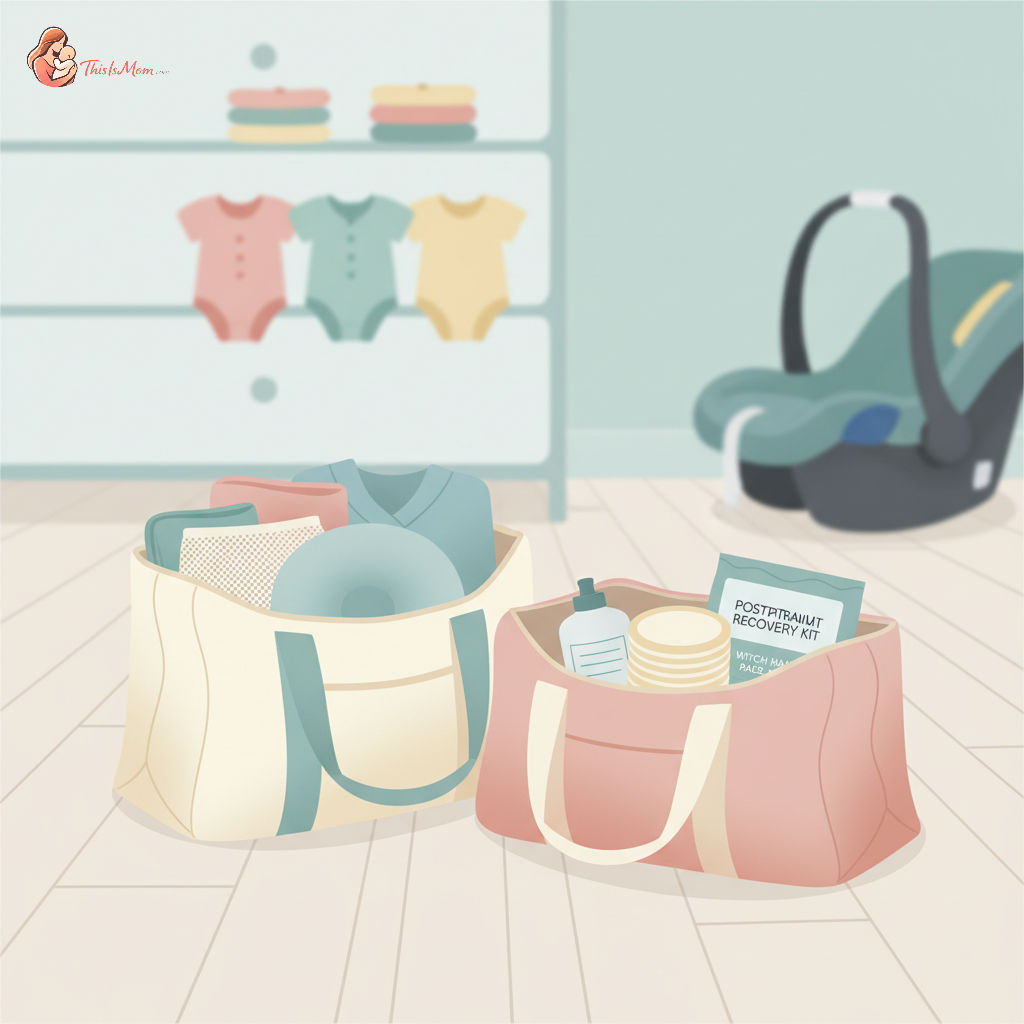
Hospital Bag for C-Section vs. Vaginal Birth: What's Different?
Preparing for your baby’s arrival involves many tasks, and packing your hospital bag can feel like a significant one. It’s completely normal to wonder what exactly to pack, especially when contemplating the differences between a planned C-section and a vaginal birth. Getting ahead of this task means you can focus on those beautiful first moments, rather than scrambling for essentials.
While many hospital bag essentials overlap for both C-section recovery and vaginal delivery, there are key differences that can significantly enhance your comfort, no matter how your baby arrives. This guide aims to help you prepare, ensuring you have everything you need for a smooth hospital stay.
The Foundation: What Every Parent Needs, No Matter How You Deliver
Let's start with the universal items that every birthing person will want to have on hand. These are the core elements of your hospital bag, designed for comfort and ease during labor and the initial postpartum period.
Your Essential Documents & ID
This is non-negotiable. Make sure you have your identification (driver's license or ID), insurance cards, and any pre-registration paperwork your hospital may have given you. Keeping these in a designated, easy-to-find pouch will save you stress upon arrival.
Comfortable Clothing for Labor & Postpartum
Think soft, loose, and breathable. You'll want a few comfortable outfits for after birth. This might include a robe, pajamas, or comfortable loungewear. For labor, many people prefer a loose-fitting hospital gown, or you might choose to bring your own comfortable nightgown or shirt. Consider items that are easy to nurse in if you plan to breastfeed.
Toiletries & Personal Care Items
Hospitals provide basics, but having your own familiar items can make a world of difference. Pack your toothbrush, toothpaste, hairbrush, lip balm (lips can get very dry!), face wipes, and any personal skincare you love. A hair tie or headband is a lifesaver.
Entertainment & Distractions
Labor can be long, and waiting periods in the hospital can be too. Bring a book, download podcasts or audiobooks, load up your tablet with movies, or create a calming playlist. Your phone charger is absolutely essential, and a portable power bank can be a sanity saver if outlets are scarce.
Snacks & Hydration
Hospital food can be… an experience. Packing your own favorite snacks and drinks can boost your mood and energy levels. Think non-perishable, easy-to-eat items like granola bars, nuts, fruit snacks, and electrolyte drinks. Remember to stay hydrated; a reusable water bottle with a straw is fantastic for sipping during labor and postpartum.
Vaginal Birth Hospital Bag: Focus on Postpartum Comfort & Recovery
If you're planning a vaginal birth, your hospital bag will focus heavily on comfort and managing the physical recovery associated with this type of delivery.
Prioritizing Perineal Care Items
Postpartum pads are a given, and the hospital will provide them. However, many people prefer to bring their own brands or specific types for added comfort. Consider:
- Heavy-duty postpartum pads: You'll need more than you think.
- Witch hazel pads or sprays: These can be incredibly soothing.
- Perineal spray (like a "freezie pop" relief spray): Many find this offers cooling relief.
- A peri bottle: The hospital will give you one, but some prefer an angled nozzle on a store-bought version for better aim.
Comfortable Underwear & Clothing Choices
This is where comfort is key. Pack:
- High-waisted, loose-fitting underwear: Aim for cotton briefs or boy shorts that don't dig into any tender areas.
- Nursing bras or comfortable bralettes: If you plan to breastfeed, these will be invaluable.
- Loose-fitting clothing: Think sweatpants, leggings, or soft shorts that are easy to pull on and off.
Breastfeeding Essentials (If Applicable)
If you plan to breastfeed, pack a few items that can make the learning curve smoother:
- A couple of comfortable nursing bras.
- A nursing cover if you prefer privacy while feeding.
- Nipple cream for those early days when your nipples are adjusting.
Planned C-Section Hospital Bag: Specialized Comfort & Incision Care
A planned C-section is major surgery, and your hospital bag should reflect the need for specialized comfort and recovery. The key here is avoiding anything that puts pressure on your abdomen.
High-Waisted Postpartum Underwear
This is perhaps the biggest difference. You’ll want underwear that sits above your incision line. Look for styles that are soft, stretchy, and offer gentle support without being constricting. Many women swear by mesh underwear provided by the hospital initially, but having your own high-waisted cotton options is a good idea for when you feel ready. Consider managing C-section scar sensitivity when lifting your toddler daily as you begin to resume normal activities.
Loose-Fitting Clothing (No Waistbands!)
Avoid anything with a tight waistband that will rub against or put pressure on your incision.
- Maxi dresses or flowy tunics: These are excellent options that are comfortable and easy to wear.
- Pajama pants with elastic or drawstring waists that sit above the incision, ensuring they are very loose.
- Oversized T-shirts or button-down shirts, which are easy to wear and also great for nursing.
Discover your baby's phase
Support & Pain Relief Items
While the hospital will manage your pain, some personal items can aid recovery:
- Abdominal binder or support band: Some find a gentle binder helps with stability and comfort. Check with your provider before using one.
- A small pillow to hold against your incision when coughing, sneezing, or moving can provide immense relief.
Gas Relief & Stool Softeners (Pre-emptive Pack)
Surgery can slow down your digestive system, leading to gas pain and constipation. Packing an over-the-counter gas relief medication (like simethicone) and a stool softener can be a proactive way to manage discomfort. Always discuss any medications with your doctor or midwife. Understanding C-section shelf belly recovery timelines can help manage expectations.
Easy-Access Nursing Bras (If Applicable)
Similar to vaginal birth, if you plan to breastfeed, easy-access nursing bras are a must. Front-clasp or pullover styles are often easiest when you're still healing and moving carefully.
For Baby's Hospital Bag: The Universal Essentials
Your little one needs a few things too! Hospitals provide most necessities, but bringing a few personal items makes their arrival feel even more special.
First Outfits & Swaddles
Pack a couple of newborn-sized outfits (bodysuits, sleepers) and swaddling blankets. The hospital will likely provide basic ones, but having your own favorites for photos and comfort is lovely.
Diapers & Wipes (Hospital Provides, But Extra is Nice)
The hospital will have diapers and wipes available, but if you have a specific brand you prefer to start with, you might want to bring a small pack.
Car Seat (Installed and Ready!)
This is critical. Your baby cannot leave the hospital without an infant car seat properly installed in your vehicle. Make sure it’s installed correctly well before your due date and practice using it.
For Your Partner/Support Person: Don't Forget Their Comfort!
Your support person is going through this monumental event with you, and their comfort is important too!
Change of Clothes & Toiletries
They'll need a change of clothes, basic toiletries (toothbrush, toothpaste), and comfortable shoes. Overnight stays mean they’ll want to feel fresh.
Snacks & Drinks
Just like you, they'll need sustenance. Packing their favorite snacks and a reusable water bottle is a good idea.
Comfort Items (Pillow, Blanket)
Hospital beds aren't exactly luxurious. A travel pillow or a favorite blanket can make a big difference for them, especially if they're sleeping in a recliner.
Chargers & Entertainment
Don't forget chargers for their phone and any other devices. Books or downloaded entertainment will help pass the time.
Pro Tips for Packing Your Hospital Bag
A few final thoughts to make packing and using your hospital bag a breeze.
Pack a Separate 'Go-Bag' for Labor/OR
Consider having a smaller bag that contains only the absolute essentials for labor and delivery itself, especially if you anticipate heading straight to the OR for a C-section. This might include your ID, phone, charger, and a few comfort items. The rest of your bag can be brought later.
Don't Overpack: Less is Often More
While it’s good to be prepared, remember that hospitals provide many necessities. Overpacking can lead to more to manage when you’re tired and recovering. Stick to the essentials and a few personal comfort items.
When to Pack Your Bag
Many people aim to have their hospital bag packed and ready by 36 weeks of pregnancy. This is when your baby is considered full-term, and you could go into labor at any time. Having it ready provides peace of mind.
Ultimately, your birth experience is your own. Whether you deliver vaginally or have a planned C-section, your body is capable, and you are prepared. Trust your instincts, lean on your support system, and remember that you’ve got this.