C-Section Scar Sensitivity: Lifting Toddler Daily Safely
Discover safe techniques & tips for managing C-section scar sensitivity when lifting your toddler daily. Learn about scar care, posture, and when to seek medical advice.
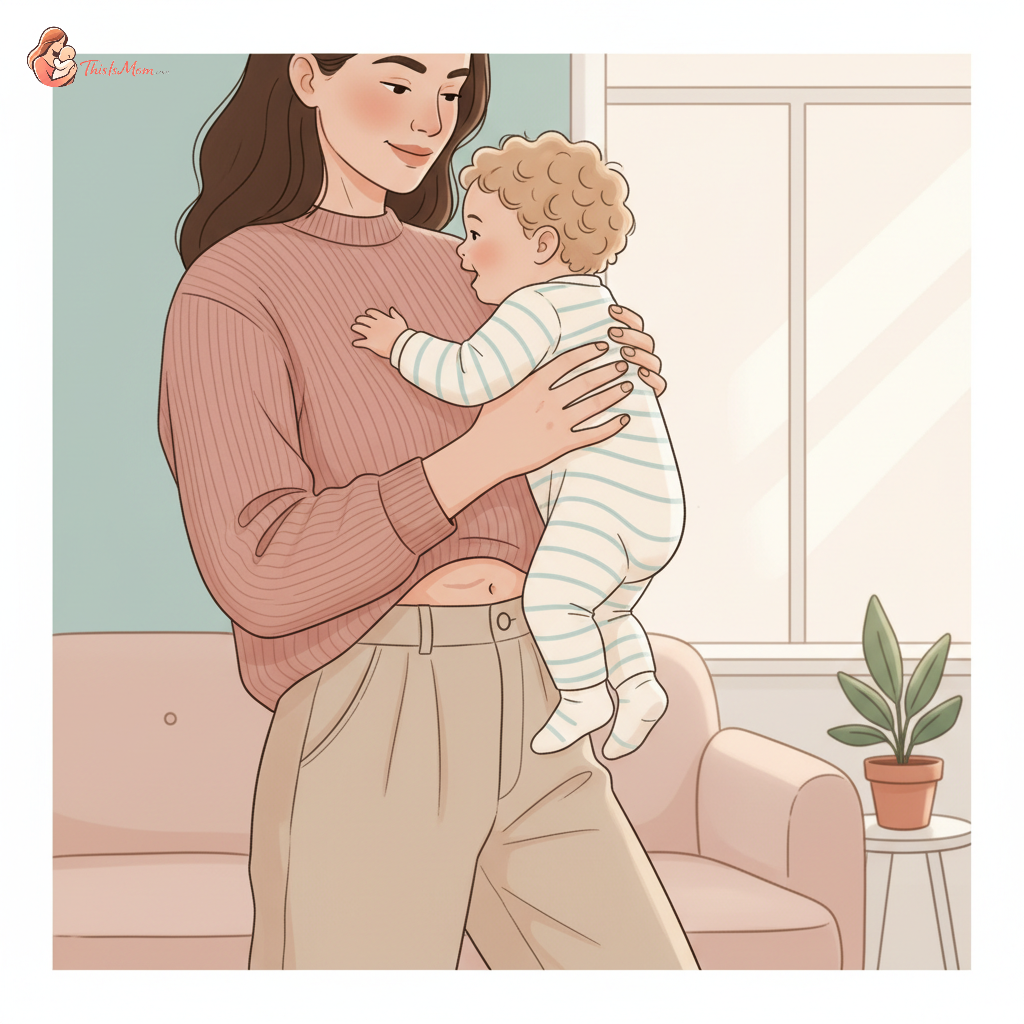
Managing C-Section Scar Sensitivity When Lifting Your Toddler Daily
It's completely normal to wonder how you're going to manage the everyday physical demands of life with a toddler after a C-section, especially when your scar feels tender. You're not alone in this. The reality of postpartum life is that babies and toddlers don't pause their needs just because you've had major surgery. The juggle of caring for a little one while navigating your own recovery, particularly managing C-section scar sensitivity when lifting your toddler daily, is a unique challenge many face.
Why Does My C-Section Scar Hurt When I Lift?
Your C-section scar is a pathway where layers of skin, fascia, muscle, and peritoneum were carefully separated and then brought back together. Lifting, bending, and twisting all engage your abdominal muscles, which are directly connected to and protect this area. Especially in the early weeks and months, these tissues are still healing and can be sensitive to the pressure and strain from supporting your own body weight, let alone the weight of a wiggly toddler.
The discomfort you feel isn't just surface-level. It can be connected to fascial adhesions, nerve sensitivity, or simply the integrity of the healing incision. It’s your body’s way of saying, "Hey, I'm still working on this!" Understanding what C-section scar numbness indicates about healing and sensitivity is key to managing expectations.
The Timeline for Safe Lifting After a C-Section (and Why It's Not Always Simple)
The idea of a strict timeline for "safe lifting" after a C-section is a common one, often guided by general recommendations. However, healing is incredibly individual. While many healthcare providers suggest avoiding lifting anything heavier than your baby for the first 4-6 weeks, this is a broad guideline.
What matters more than a specific date is listening to your body and understanding your own recovery progress. Factors like your overall health, the skill of your surgeon, and how well you manage your postpartum activity all play a role. Instead of focusing on a calendar, tune into the signals your body is sending you regarding pain and strength.
Smart Ways to Scoot, Scoop, and Snuggle
One of the biggest questions for parents recovering from a C-section with a toddler is, "Can I lift my toddler after a C-section?" The answer isn't a simple yes or no; it's about how you lift and when you feel ready to attempt it.
Modifying Your Technique
Instead of a direct lift straight up, think about how you can minimize strain on your abdomen when interacting with your toddler. This is where modifying your technique comes in. The goal is to use your body in ways that support your healing incision.
Strategies for getting your toddler up and down without strain often involve getting down to their level first. Encourage your toddler to come to you, or meet them on the floor. This reduces the need for you to bend over significantly.
When you do need to lift, try to avoid the classic "scoop and lift" where you bend at the waist. Instead, focus on a strategy that uses your legs and your whole body.
Using Your Legs, Not Your Core: The Golden Rule
When lifting your toddler, the most crucial principle is to use your legs, not your core. This is the golden rule for protecting your healing C-section incision. Think of your legs as the primary power source, much like when you lift any heavy object.
- Bend your knees deeply. Get as close to your toddler as possible.
- Tuck your pelvis. This subtly engages your glutes and hamstrings, shifting the work away from your abdominal muscles.
- Engage your breath. Rather than holding your breath and bracing your core, which can create downward pressure, exhale as you lift. This helps stabilize your torso without over-engaging your abdominal muscles.
- Bring your toddler close. Once you've initiated the lift with your legs, hug your toddler tightly to your chest. This distributes their weight closer to your center of gravity, making them feel lighter and easier to manage.
This approach is fundamental for lifting your toddler safely after a C-section and managing the stress on your scar.
Reducing C-Section Scar Sensitivity: Beyond Just Avoiding Movement
While it’s important to be mindful of how you lift, an active approach to scar care can also significantly help in reducing C-section scar sensitivity. Healing isn't just about waiting; it's about thoughtfully supporting your body's natural processes.
Gentle Scar Massage and Tissue Mobilization
Once your incision has closed and healed, and with clearance from your doctor or midwife, gentle scar massage can be incredibly beneficial. This involves using light pressure with clean fingers to gently work around and over the scar. The purpose is to:
- Encourage healthy tissue healing and prevent adhesions.
- Improve blood flow to the area.
- Help desensitize the nerves that may feel overly sensitive.
Start slowly and avoid any position or pressure that causes sharp pain. You might choose to use a bit of unscented lotion or oil to help your fingers glide smoothly. Learning about DIY postpartum abdominal stretching for diastasis recti can also be part of a holistic approach to your recovery.
Over-the-Counter Aids for Discomfort
Discover your baby's phase
Various aids can provide relief for a sensitive scar. Look for:
- Silicone scar sheets or gels: These are often recommended to help flatten and soften scars over time, and some users report a slight cushioning effect that can reduce direct sensitivity.
- Non-irritating abdominal support garments: These aren't about "binding" your abdomen but can offer gentle external support. Ensure they don't dig into your scar.
- Pain relief: Over-the-counter options like ibuprofen or acetaminophen can help manage general postpartum pain, which may indirectly ease scar discomfort. Always discuss pain management with your healthcare provider.
The Role of Posture and Core Engagement
Good posture is your ally in managing scar sensitivity. When you’re sitting or standing, try to maintain an upright position. This helps your abdominal organs settle properly and can reduce unnecessary pressure on your scar.
Later in your recovery, as your core muscles begin to regain strength, focus on proper core engagement. This isn't about rigid bracing. Instead, it's about learning to activate your deep abdominal muscles, including your transverse abdominis, in a way that supports your spine and pelvis without putting undue strain on your incision. Gentle, functional movements are key.
Smart Habits & Support: Making Daily Lifts Easier
Beyond specific techniques, integrating smart habits and seeking support can make a significant difference in the day-to-day reality of C-section recovery with a toddler.
Product Savvy: Step Stools, Floor Beds, and Carriers
Thoughtful use of products can help you interact with your toddler more easily and reduce the need for heavy lifting:
- Step stools: Place sturdy step stools near changing tables, cribs, or sofas so your toddler can climb up to you more independently.
- Floor beds: If feasible, consider a floor bed for your toddler. This allows them to get in and out of bed with minimal effort from you.
- Baby carriers/wraps: While your doctor will advise on when it’s safe to resume babywearing, a carrier can be a lifesaver when your toddler is small, distributing their weight more evenly across your body and preserving your abdomen.
Enlisting Help: Asking for Support from Your Partner and Village
Don't underestimate the power of asking for and accepting help. Your partner, family, or friends are often happy to assist with tasks that involve lifting or bending.
- Delegate: Ask your partner to lift the toddler into the car seat, carry them upstairs, or hand them to you once you're in a stable position.
- Communicate your needs: Be specific! "Could you please pick up our little one and bring them to me on the couch?" is more effective than a general plea for help.
- Your village is there for a reason: Lean on them for practical support. They can also provide emotional backup, which is just as important. Learning how to respectfully decline hospital visitors after birth can also help ensure you have the support you need during your recovery.
Teaching Toddler Independence: Small Steps for Big Impact
Empowering your toddler to be more independent can gradually reduce the physical demands on you.
- "Come here!" Encourage them to come to you when they want to be held.
- "Climb up!" If you're seated or lying down, encourage them to climb onto your lap or snuggle next to you.
- "Down time." Involve them in the process of getting down. You can say, "Okay, let's put you down," and guide them as they slide off your lap.
These small steps empower your toddler while also being mindful of your recovery. Encouraging independent dressing skills for a 2-year-old can also contribute to their autonomy.
When to Talk to Your Doctor About Scar Pain
While some tenderness and sensitivity are expected during postpartum healing, there are specific signs that suggest your scar discomfort might warrant a conversation with your OB-GYN or midwife.
Signs That Your Scar Discomfort Might Need Medical Attention
Pay attention to these indicators:
- Increasing pain: If the pain at your incision site gets worse instead of better over time.
- Redness and swelling: Noticeable redness, warmth, or significant swelling around the scar.
- Discharge: Any pus or foul-smelling discharge from the incision.
- Fever: A temperature of 100.4°F (38°C) or higher.
- Deep aching or pulling sensation: Persistent, intense pain that feels deeper than surface sensitivity.
- Hernia symptoms: A bulge near the scar, especially when straining.
Beyond Normal Healing: Persistent Pain and Hypersensitivity
Even if there are no signs of infection, persistent pain or extreme hypersensitivity can impact your quality of life. If your scar remains significantly sensitive to touch, clothing, or gentle movement months after your surgery, it's worth discussing with your provider. They can assess for issues like nerve entrapment or scar tissue problems and discuss further treatment options.