Baby Waking Up Early? How to Encourage Wake-Ups Later
Learn gentle, evidence-based strategies to encourage your baby to wake up later in the morning. Optimize sleep environment, tweak schedules, and address common issues for more peaceful mornings.
How to Encourage Later Morning Wake-Ups: A Baby Sleep Guide
Your baby has been waking like clockwork at 5 AM for the past week, and you’re starting to wonder if you’ll ever see a 7 AM wake-up again. It's a common parenting challenge, and while a 5 AM wake-up might feel incredibly early, understanding why it's happening is the first step. Research suggests that babies have different circadian rhythms than adults, and what seems like an early start to us isn't always perceived that way by them. This guide aims to translate the evidence on baby sleep into practical, gentle strategies to help encourage a more parent-friendly morning wake-up.
Why Is My Baby Waking Up So Early?
It's a question many parents ask: "Why does my baby wake up at 5 AM and won't go back to sleep?" The reasons can be multifaceted, ranging from environmental cues to internal biological clocks.
Is 5 AM Truly 'Early' for a Baby?
For adults, a 5 AM wake-up can feel like the crack of dawn. However, for babies, their sleep-wake cycles are still developing. The American Academy of Pediatrics (AAP) notes that infant sleep patterns are quite different from those of older children and adults. What might seem exceptionally early to you could be a natural point in your baby's sleep cycle.
The good news is that many babies will eventually start waking up later in the morning as they grow. This transition is often gradual and influenced by a variety of factors.
When Do Babies Typically Start Waking Up Later?
There isn't a set age when babies universally begin to sleep in later. However, as they get older and their sleep needs mature, generally between 4-6 months and again around 12 months, you may notice shifts in their wake times. The AAP's guidance on infant sleep emphasizes that establishing healthy sleep habits early can lay the groundwork for better sleep over time.
Setting the Stage for More Restful Mornings
Before focusing on shifting wake times, it’s crucial to ensure the foundational elements of your baby’s sleep environment and daytime sleep are optimized.
Optimizing the Sleep Environment
The AAP recommends creating a sleep space that is conducive to consolidated sleep. This includes:
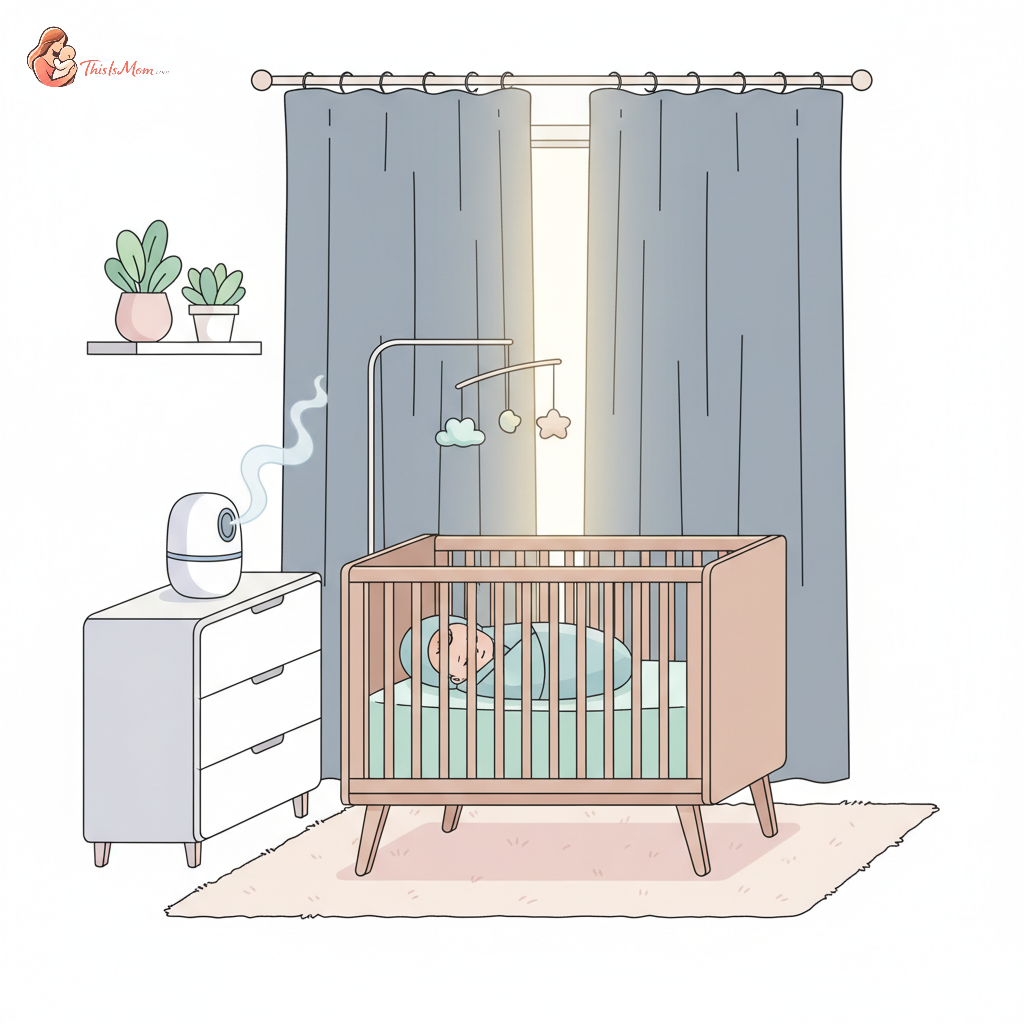
- Darkness: A very dark room is essential. Blackout curtains can significantly reduce light exposure, which can prematurely signal to a baby's brain that it's time to wake up.
- Temperature: The room should be kept at a comfortable, cool temperature, typically between 68-72°F (20-22°C).
- Sound: White noise can be beneficial. A consistent sound machine can help mask disruptive household noises and create a soothing sleep atmosphere.
Is Your Baby Getting Enough Daytime Sleep?
Insufficient sleep or overtiredness during the day can paradoxically lead to early morning wakings. The Mayo Clinic suggests that when babies don't get adequate naps, they may wake more frequently at night and also earlier in the morning. Gentle tips for baby nap refusal 6 months without crying can help ensure they are getting enough daytime sleep.
The recommended daytime sleep for infants varies by age. For example, a 6-month-old typically needs around 2-3 hours of nap sleep throughout the day, spread across two or three naps. Overtiredness can make it harder for babies to settle, leading to fragmented sleep and early starts.
Avoiding Common Sleep Props
Sleep props are anything a baby relies on to fall asleep, such as rocking, feeding to sleep, or pacifiers. While these can be helpful initially, evidence suggests that if a baby can't fall asleep independently, they may struggle to resettle themselves when they naturally wake between sleep cycles, especially in the early morning hours. Learning how to handle your 1-year-old fighting pacifier at night can be part of this process.
Gentle Strategies to Encourage Later Mornings
Once the basics are in place, you can begin implementing gentle strategies to nudge your baby's internal clock.
The Power of Light
Light is a powerful regulator of our circadian rhythms, the body's internal 24-hour clock.
- Morning Darkness: Keep the bedroom absolutely dark until you are ready for your baby to wake. This means using blackout blinds and avoiding turning on bright lights. The goal is to delay the light signal that signals the start of the day.
- Morning Sunshine: Conversely, once it is truly time to wake up, expose your baby to bright natural light as soon as possible. This helps anchor their circadian rhythm. For instance, if your baby wakes at 5 AM but you're aiming for 7 AM, resist opening the curtains until 7 AM. Then, open them wide or take a short walk outside.
Tweaking Bedtime: Later vs. Earlier?
This can be counterintuitive, but sometimes adjusting bedtime can influence wake times.
Discover your baby's phase
- Later Bedtime: For some babies waking too early, a slightly later bedtime (by 15-30 minutes) may help them sleep longer in the morning. The rationale is that it aligns their sleep cycle more closely with a typical adult day. However, the AAP advises against significantly lengthening bedtime, as overtiredness can lead to more fragmented sleep.
- Earlier Bedtime: In other cases, a baby might be overtired due to insufficient naps or a bedtime that's too late by their individual needs. In such scenarios, an earlier bedtime might be more effective.
The key is to observe your baby's sleep cues and be consistent with any changes.
The 'Wake to Sleep' Method
This method is often discussed in sleep literature, though less formally studied by major organizations like the AAP. The concept involves briefly rousing your baby about 15-30 minutes before their usual early wake-up time. The idea is to stir them enough to shift their sleep cycle slightly, hopefully leading them to sleep through that earlier waking.
To apply this, gently rouse them—perhaps by touching their feet or softly talking near them—but do not fully wake them. The goal is to interrupt the current sleep cycle without fully rousing them. This is a delicate approach and requires careful observation to avoid simply creating another wake-up.
Feeding Finesse and Morning Wake-Ups
What and when your baby eats can play a significant role in their sleep patterns.
Understanding Evening Feed Timing
The timing of the last milk or food feeding before bed can impact how long your baby sleeps. If babies are going to bed hungry, they may wake earlier due to hunger. Learning about how many ounces of breast milk before starting solids at 6 months can be relevant for understanding their overall intake.
The 5-3-3 Rule for Babies
This guideline, often recommended by sleep consultants, offers a framework for feeding frequency. It suggests waiting at least 5 hours between nighttime feedings, 3 hours between daytime feedings, and no feeding within 3 hours of waking. While not an official AAP guideline, it's a tool some parents find helpful for distinguishing between hunger-led waking and habit-based waking.
Offering a Dream Feed
A dream feed involves quietly giving your baby a bottle or nursing them while they are still asleep, typically 1-2 hours after they’ve fallen asleep for the night. The aim is to top them up, potentially preventing early morning hunger. Some parents find this helps, while others find it doesn't make a difference or even disrupts sleep. The AAP recommends that breastfed infants should be fed on demand, so a dream feed should always be supplemental to recognizing your baby's hunger cues.
When Baby Wakes Early and Won't Settle
If your baby wakes up before your desired time and isn't settling back down, how you respond matters.
Responding Calmly
The number one rule is to attempt to stay calm. Reacting with frustration can sometimes inadvertently create an association between early waking and parental distress.
- Assess: Is your baby truly hungry? Do they need a diaper change? Are they too hot or too cold?
- Avoid: Try not to immediately turn on bright lights or engage in full playtime. Keep interactions minimal and soothing.
- Encourage Self-Resettling: If they are not hungry or in distress, give them a few minutes to see if they can resettle on their own. Sometimes, a brief check-in without picking them up can be enough.
When to Discuss with Your Pediatrician
While many early morning wake-ups are a normal part of infancy, there are times when consulting your pediatrician is wise.
Signs of Underlying Issues
If your baby’s early wakings are accompanied by other symptoms, it’s worth discussing with your doctor. These can include:
- Poor weight gain: If your baby is not gaining weight appropriately, early waking might be linked to insufficient caloric intake.
- Signs of illness: Fever, unusual fussiness, changes in eating habits, or vomiting warrant a pediatric assessment.
- Significant changes in overall behavior: A sudden, drastic shift in your baby's temperament or sleep patterns, especially if persistent, should be mentioned.
Distinguishing Normal Sleep from Struggles
Your pediatrician is the best resource for understanding your specific child's sleep patterns. They can help differentiate between typical infant sleep disruptions and potential sleep issues that may require more targeted intervention. They can also confirm if your baby is meeting developmental milestones and if their feeding and growth are on track.