Boost Babbling: 9 Ways to Encourage Toddlers at 15 Months
Learn 9 playful strategies and communication tips to encourage your 15-month-old toddler to babble more and develop crucial language skills. Plus, when to talk to your pediatrician.
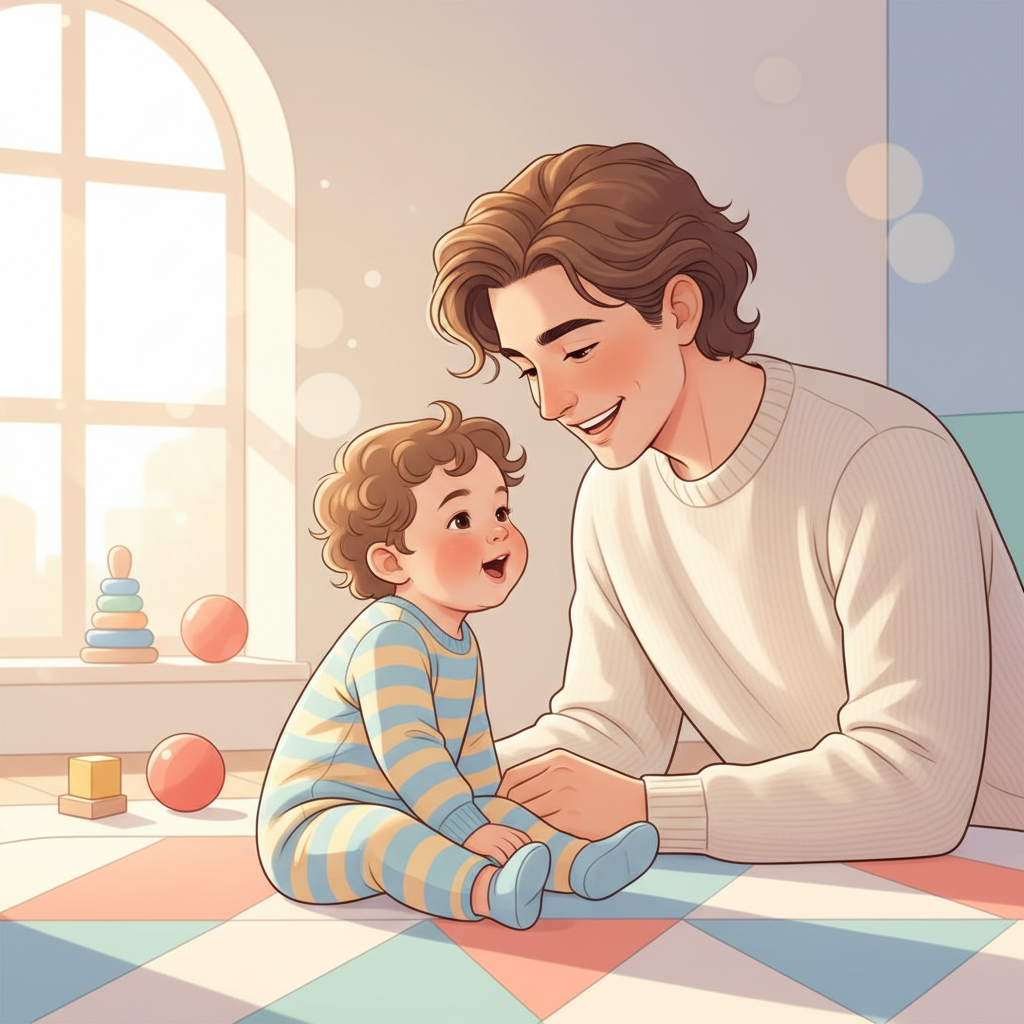
How to Encourage Toddlers to Babble More at 15 Months: A Playful Guide
Your 15-month-old is transforming into a budding communicator, yet their spoken words might still be limited to a few approximations. Are you wondering how to encourage your toddler to babble more at 15 months? It's a common question for parents navigating this dynamic stage of development. Between 12 and 18 months, children actively build the foundations for language, and babbling is a crucial part of that process.
The Centers for Disease Control and Prevention (CDC) outlines typical developmental milestones. Around 15 months, you'll often observe a blend of sounds, gestures, and perhaps a few first words. Understanding what this babbling signifies can help you respond in ways that foster even more vocalization.
Decoding the Sounds of Your Toddler's Babbling
At 15 months, your toddler's vocalizations are more than just random noise; they are the building blocks of language. The guidelines from organizations like the American Academy of Pediatrics (AAP) suggest that this is a period of significant linguistic exploration. If you have concerns about speech development, understanding when the AAP recommends speech therapy evaluation can be helpful.
Babbling at this age often includes a richer variety of sounds, longer strings of syllables, and more varied intonation. Think "mamamama," "dadada," or even "babababa" with rising and falling pitches that mimic adult speech patterns. This is known as jargon babbling.
The difference between mere babbling and the emergence of early words lies in intention and consistency. While a 14-month-old not talking but just babbling is perfectly normal, a first word is typically a consistent sound or syllable used to refer to a specific person or object. For example, "mama" might be used to get their mother's attention specifically, rather than just being a string of "ma" sounds.
Turning Everyday Moments into Language-Building Play
One of the most effective ways to encourage speech development is through engaging, interactive play. Research suggests that children learn language best through consistent, responsive interactions with their caregivers.
- Read, Sing, and Repeat: This is foundational. When you read aloud, point to pictures and repeat words. Singing songs with repetitive lyrics and actions is also highly beneficial. Exaggerate certain words or sounds within songs, encouraging your toddler to join in. For instance, during "Old MacDonald," emphasize the animal sounds.
- Imitation and Turn-Taking: Toddlers are natural imitators. When your child babbles, try to imitate their sounds back to them. This shows them you are listening and encourages them to respond. Games like peek-a-boo or rolling a ball back and forth are excellent for teaching turn-taking, a concept crucial for conversation.
- Labeling is Key: As you play, consistently label objects and actions. During playtime with blocks, say "Let's put the red block on top," or while dressing, "These are your blue socks." This helps your toddler associate sounds with meanings, a vital step in their speech development. You can also introduce them to foods that are great for baby-led weaning.
Communication Strategies to Spark More Sounds
Beyond structured play, your everyday communication style plays a significant role in how your toddler develops their language skills. The key is to be responsive and create opportunities for them to vocalize.
- Enthusiastic Responses: When your toddler babbles or gestures towards something, respond with genuine enthusiasm. A happy tone of voice and direct eye contact validate their attempts to communicate and motivate them to try again. If they point to a dog and babble, you can say, "Yes, that's a dog! Woof woof!"
Discover your baby's phase
- Embrace Parentese: Using "parentese," also known as infant-directed speech, can be very helpful. This is characterized by a higher pitch, exaggerated intonation, simpler sentences, and slower speech. Research suggests that this style of speech captures a baby's attention and helps them distinguish sounds and words more easily.
- Time to Respond: After you ask a question or make a statement, pause and wait for your toddler's response. Don't rush to fill the silence. This gives them the crucial time needed to process and formulate their own sounds or words. Even a sigh or a grunt is a form of response at this stage.
Creating a Language-Rich Environment at Home
The environment you create at home can significantly impact your toddler's language exposure and practice. A language-rich setting is one where communication is frequent, varied, and encouraged.
- Mindful Screen Time: While some educational apps and shows can be beneficial in moderation, excessive screen time can distract from interactive, face-to-face communication, which is essential for language development. The AAP recommends limiting screen use for very young children. When screens are used, co-viewing and discussing the content can help. If screen time is causing meltdowns, learn how to manage toddler meltdowns when parents use phones.
- Narrate Daily Routines: Involve your toddler in daily activities like meal preparation, bath time, or tidying up, and narrate what you are doing. "We are washing the apple," "Time for sleepy bath in the tub," or "Let's put the toys back in the basket." This provides consistent language exposure in meaningful contexts.
- Social Interaction: Opportunities to interact with other children and adults, even brief ones at a park or playdate, can expose your toddler to different communication styles and encourage them to practice their own skills. Observing older children can also be a powerful motivator.
When to Contact Your Pediatrician About Speech Development
While most 15-month-old development follows a predictable pattern, it's always wise to be aware of certain milestones and when to seek professional advice. If you notice a 15-month-old understands but isn't talking, it suggests good receptive language skills, which is a positive sign.
However, there are some 15-month-old development red flags that might warrant a conversation with your pediatrician:
- Lack of babbling or vocalization by 12 months.
- Not using gestures like pointing or waving to communicate by 12-15 months.
- Appearing to not understand simple, common words or gestures by 15 months.
- Not imitating sounds or actions.
- A significant regression in language or communication skills.
It’s important to remember that a 14-month-old not talking, just babbling is entirely within the typical range. The focus at this age is on exploring sounds, gestures, and comprehension. The transition to consistent, meaningful words usually happens closer to 18 months. For example, parents often wonder about DIY sensory activities that can help with speech delay for an 18-month-old.
Understanding these developmental timelines can ease parental concerns. However, if you have any persistent worries about your child's speech development or overall progress, your pediatrician is the best resource. They can assess your child's specific situation, offer tailored advice, and, if necessary, recommend further evaluation or early intervention services.
Navigating the world of toddler speech development can bring up many questions. By engaging playfully, responding consistently, and creating a language-rich environment, you can effectively encourage your toddler's vocalizations and set a strong foundation for future communication. When in doubt, always trust your parental instincts and consult with your pediatrician.