Toddler Throwing Food at Restaurant? 10 Smart Steps to Stop It
Discover effective strategies for how to handle toddler throwing food at a restaurant. Learn on-the-spot tactics, preparation tips, and long-term solutions.
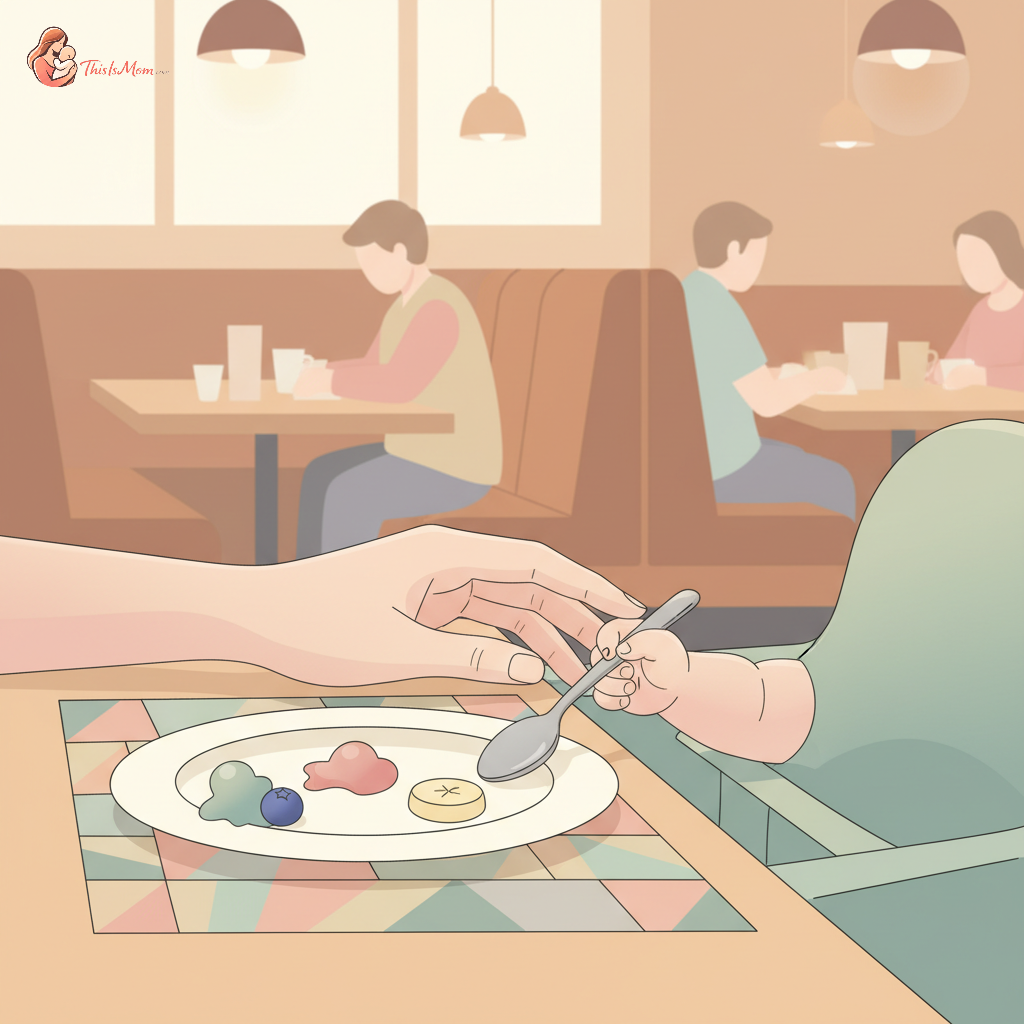
Toddler Throwing Food at Restaurant? Your Guide to Calm
With my first child, the mere thought of taking him to a restaurant filled me with dread. By my fourth, a dropped fork or a stray pea wouldn't even register as a blip. Looking back, the biggest shift wasn't in my children's behavior, but in my own expectation management. If I could tell my younger self one thing about navigating the toddler years in public, it would be this: breathe. While learning how to handle toddler throwing food at restaurant situations is a worthy goal, obsessing over perfection will steal the joy from simple outings.
Why Do They Do It? It's Not Always About Being Naughty
That moment your perfectly plated pasta arcs through the air, landing on a stranger's shoe, can feel like a personal attack. But in truth, a toddler throwing food on the floor is rarely about malice. It's often about exploration.
Developmental Stage vs. Defiance
Think of your toddler as a tiny scientist, and food is their latest experiment. They're learning about cause and effect: what happens when I push this? What happens if I let go? They are also testing boundaries, a crucial part of growing up. This isn't defiance; it's discovery.
When Does Food Throwing Typically Stop?
The truth nobody tells you is that there’s no single timeline. Most children phase out of this intense food-throwing stage by age three. However, it varies significantly. Some kids are naturally more curious or have a stronger drive to test limits. "This lasts six weeks, max" is a comforting thought, but with food throwing, it might extend a bit longer. The key is consistency in your response, not an overnight fix.
The 80/20 Rule: Focusing on Success, Not Perfection
With my older children, I'd get so bogged down in trying to prevent every single misstep. By my fourth, I embraced the 80/20 rule. Aim for 80% of the meal to be calm and enjoyable, and give yourself grace for the remaining 20% that might involve some mess or minor meltdowns. It's about progress, not flawless execution.
On-the-Spot Strategies for Restaurant Mayhem
When the inevitable happens and your 2 year old is throwing food on the floor, a calm, swift response is your best friend.
Immediate Responses: Calm, Consistent, and Quick Action
The instant food is launched, your response should be the same, every single time:
- Stop the action. Gently but firmly take the food or their hand.
- State the rule simply. "We don't throw food" or "Food stays on the plate."
- Offer an alternative. "If you're done eating, tell me" or "Would you like to play with your toy instead?"
- Redirect attention. Engage them in conversation or point something out.
Resist the urge to scold or make a big scene. Loud reactions can inadvertently reinforce the behavior by giving them the attention they might secretly crave. You might find gentle parenting a tablet tantrum in public helpful for managing public outbursts with a calm approach.
Managing the Mess: Tips for Minimizing Impact and Stress
- Bring a bib with a pocket. This catches stray bites and makes cleanup easier.
- Have wipes handy. For not just the table, but their hands and face.
- Choose a booth if possible. It can contain some of the mess.
- Don't over-order. Less food means less potential ammo.
With my first, I'd panic about the mess. By my fourth, I’d just discreetly wipe it down or ask for a cloth. The restaurant staff have seen it all. For situations on the go, a best compact travel high chair for restaurants can also be a lifesaver.
When to Call It Quits: Knowing When to Cut Your Losses
Sometimes, despite your best efforts, the situation escalates. If your toddler is consistently throwing food, is highly distressed, or is disturbing other diners significantly, it might be time to pack up.
- Recognize the signs of overstimulation. Loud noises, crowds, and unfamiliar surroundings can overwhelm a toddler.
- Don't push it. A quick exit is better than a protracted battle.
- Pack a small, quiet toy. Something to distract them as you gather your things.
Cutting your losses doesn’t mean failure; it means recognizing when the environment isn't working for your child at that moment.
Setting Up for Success (Before You Even Arrive)
The key to a peaceful restaurant meal is often in the preparation. Stop toddler throwing food before it even starts by creating the right conditions.
Choosing the Right Restaurant: Environment Matters
- Kid-friendly is key. Look for places with play areas, high chairs readily available, and a generally relaxed atmosphere. Diners where a dropped crumb won't cause a stir are your allies.
- Timing is everything. Aim for off-peak hours when it's less crowded and your toddler is likely to be well-rested and not ravenously hungry.
- Consider the noise level. A noisy environment can be exciting, but also overstimulating. Somewhere with moderate background noise is often a good balance.
Pre-Meal Prep: Snacks, Timing, and Expectations
Discover your baby's phase
- Offer a small, healthy snack before you go. This takes the edge off their hunger and prevents them from being ravenous, which can lead to frustration. If your toddler is a picky eater, strategies for picky eaters might help ensure they have a more balanced diet overall.
- Manage your own expectations. Accept that a toddler meal out will look different from an adult meal. It will likely be shorter and messier.
- Talk about it beforehand. Briefly explain where you're going and what to expect in simple terms. "We're going to a restaurant for dinner. We sit at the table and eat our food."
Distraction & Engagement: Tools to Keep Little Hands Busy
- Pack quiet toys or books. A small coloring book and crayons, a favorite small toy, or a lift-the-flap book can be lifesavers.
- Involve them in the ordering. Let them point to what they want on the menu (if appropriate) or tell the server "please."
- Talk to them. Engage them in conversation about their day, what they see, or what they're eating.
Long-Term Solutions: Teaching Table Manners at Home
While immediate restaurant fixes are important, building good habits at home is the foundation for public success. Consistency is your superpower here.
The Importance of Consistent Boundaries
Whether it's at home or out, the rules need to be the same. When you're consistently clear about what's acceptable and what's not, children learn what to expect. This applies to younger and older siblings alike.
- Define "table manners." It's not just about not throwing; it's about sitting, using utensils (even if they're clumsy), and waiting for everyone to be served.
- Reinforce positive behavior. Praise them when they eat nicely. "I love how you're sitting so nicely in your chair!"
Dealing with Neophobia: Gently Introducing New Foods
Sometimes food throwing is a reaction to unfamiliar food. Neophobia, the fear of new foods, is common in toddlers. You might find that 12 gentle strategies for when your toddler only eats mac and cheese can help broaden their palate, making them more open to new foods.
- Serve new foods alongside familiar favorites. This makes it less intimidating.
- Don't force it. Offer, but don't insist. Pressure can backfire.
- Model good eating. Let them see you enjoying a variety of foods.
Positive Reinforcement and Engaging Toddlers at Mealtimes
Catch them being good! When your toddler eats well, offer specific praise.
- "You're doing such a great job eating your carrots!"
- "Thank you for waiting so patiently for your turn."
Make mealtimes a positive, interactive experience, not a battleground.
Disciplining Toddlers Who Throw Food: Age-Appropriate Approaches
When it comes to toddlers, discipline isn't about punishment; it's about teaching. If you're trying to discipline toddler throwing food, remember their developmental stage.
What 'Discipline' Really Means for a 2-Year-Old
For a two-year-old, discipline is about guiding behavior through clear, consistent, and loving responses. It's about helping them understand their actions have consequences and teaching them more appropriate ways to behave.
- Focus on teaching, not punishing. The goal is for them to learn.
- Keep it brief and immediate. Long lectures are lost on toddlers.
Consequences That Connect: Making It a Learning Moment
When food is thrown, the consequence should be directly related and immediate.
- Remove the food. "You threw your food, so mealtime is over." Then, calmly remove their plate.
- A brief calm-down moment. Not a timeout in a corner, but a moment to sit quietly and reset, perhaps in a less stimulating area.
- Explain why. "When you throw food, it makes a mess and then your body doesn't get the food it needs."
When to Consider Other Factors
Before assuming defiance, consider what else might be going on.
- Hunger. Are they truly hungry, or just bored with the meal?
- Fatigue. Toddlers get overwhelmed easily.
- Overstimulation. The restaurant environment itself can be too much.
- Teething or illness. Discomfort can lead to crankiness and unusual behavior.
If you suspect these, addressing them may resolve the food-throwing behavior more effectively than a direct consequence. For instance, ensuring your child is getting adequate rest is crucial, and learning how to manage baby sleep during daylight savings fall back or understanding why your 18-month-old wakes at 4 AM ready to play can contribute to a more settled toddler.
Looking back, those chaotic restaurant meals were just temporary chapters. They taught me patience, resilience, and the incredible value of a well-timed wipe and a deep breath. Your child will grow, and these moments will eventually fade, replaced by new challenges and new triumphs. Until then, give yourself grace. You're doing great.