Toddler Only Eats Mac and Cheese? 12 Gentle Strategies
Is your toddler a mac and cheese connoisseur? Discover gentle, effective strategies to expand their palate, introduce new foods, and overcome picky eating habits without mealtime battles.
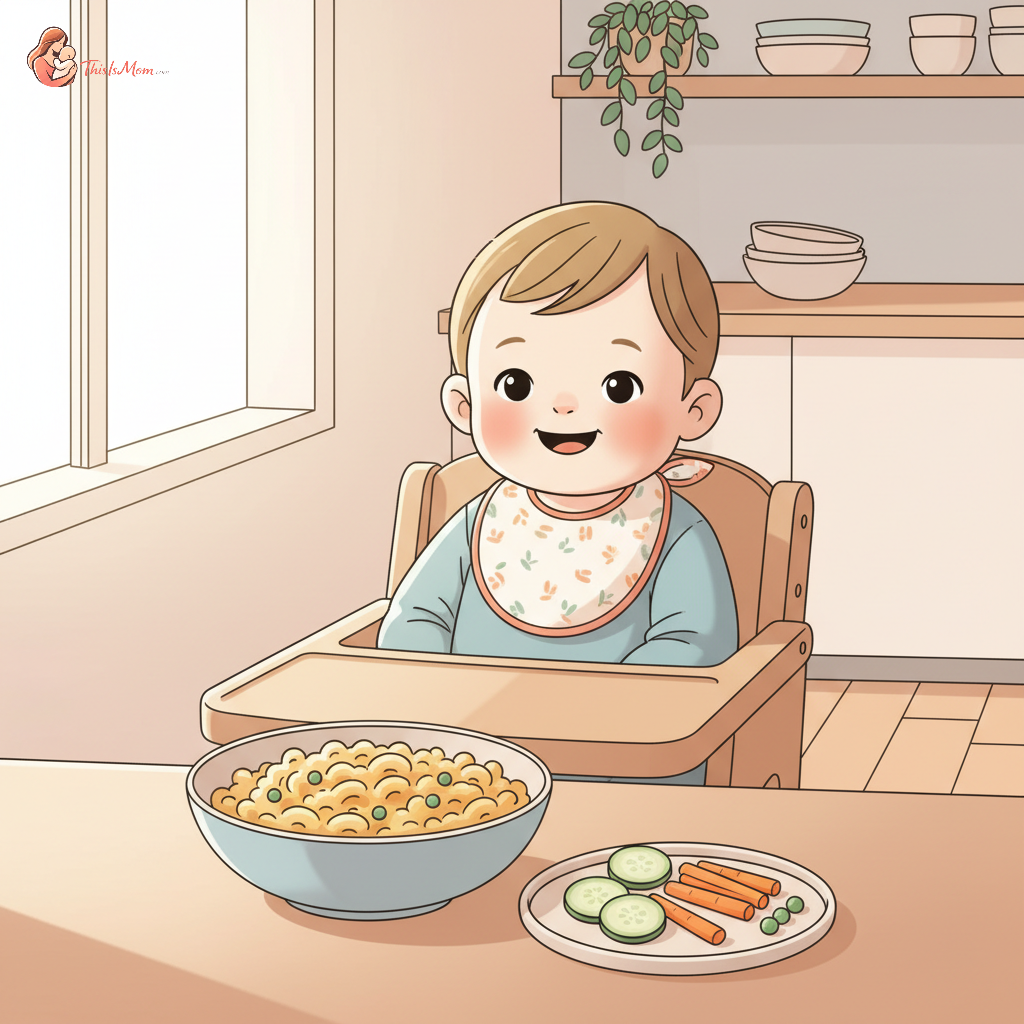
The Mac and Cheese Stalemate: Gentle Strategies When Your Toddler Eats Only Pasta
I remember pacing the kitchen at 7 PM, a meticulously prepared plate of steamed broccoli and baked chicken rejected for the tenth time. By my fourth child, dinnertime often involved a rogue noodle or two escaping the pasta bowl, and I finally understood that survival, not gourmet perfection, was the goal. Now, when I hear "my toddler only eats mac and cheese," I feel a pang of recognition, followed by a wave of calm. You're not alone, and you've got this.
Why Your Toddler is a Mac-and-Cheese Only Connoisseur (It's Not Just Yours!)
If your dining table feels like a battlefield where mac and cheese is the only accepted flag of truce, know that this is incredibly common. Toddlers are in a developmental stage that often involves asserting independence, and food is a prime territory for this. They discover what they like, and often, that's something familiar, predictable, and – let's be honest – often comforting and easy to eat. That creamy, cheesy goodness of mac and cheese checks all those boxes. Developing a wider palate takes time and consistent, gentle exposure. The strategies you're searching for are about patience and playing the long game.
Is Mac and Cheese Unhealthy for a Toddler? Understanding the Nutritional Nitty-Gritty
When your child subsists on a diet of macaroni and cheese, it’s natural to worry. The truth nobody tells you about processed foods and little ones is that while not ideal in large quantities, an occasional meal isn't going to derail them. We all want to provide the best nutrition, but sometimes that looks like compromise.
The Truth About Processed Foods and Little Ones
Many commercial mac and cheese varieties are high in sodium and refined carbohydrates, with limited fiber and micronutrients. If this is the only thing your toddler will eat, it's worth considering the nutritional trade-offs. However, focusing on the sky falling isn't helpful. Instead, we can look at ways to gently improve the situation.
Addressing Nutrient Gaps (Without a Fight)
The goal isn't to ban macaroni and cheese overnight, but to gradually introduce other foods and boost the nutritional profile of what they do eat. This is where you can become a subtle nutritionist.
- Boost the Cheese Sauce: Stir in pureed squash or cauliflower. It blends in color and texture and adds vitamins.
- Fortified Pastas: Opt for whole wheat pastas or those fortified with extra fiber or protein if your child is open to a slight variation in the noodle itself.
- Small Doses of Goodness: Make tiny modifications to the mac and cheese itself, perhaps by adding finely chopped peas or carrots that blend into the sauce.
Gentle Strategies to Expand Their Plate Beyond the Orange Stuff
Moving beyond the picky eating phase requires patience and a whole lot of grace. The key is to make food exploration a positive experience, and that starts with understanding a few core principles. Trying to expand a toddler's diet doesn't have to be a battle. Learn more about ways to get toddler to eat protein and how to get toddler to eat vegetables.
The 'Exposure, Not Pressure' Principle
This is the mantra for parents of picky eaters. Your child might need to see a new food 10, 15, or even 20 times before they even consider trying it. The goal is simply to have it present, available, and normalized. If it’s on the table, your child is being exposed.
- Serve a "Safe" Food Alongside: Always include something you know they will eat (like a small portion of their beloved mac and cheese) with new offerings. This ensures they won't go hungry and reduces anxiety.
- Tiny Portions of New Foods: Offer just one pea, one sliver of bell pepper, or one tiny piece of chicken. The less intimidating, the better.
Making Food Fun: Sensory Play and Curiosity
Toddlers explore the world with their senses, and food is no different. You can leverage this curiosity!
- "Taste Safe" Play: Let them touch, squish, and explore food outside of meal times. Play with cooked pasta (not mac and cheese!) using their hands, let them "paint" with yogurt.
- Food Art: Arrange fruits or vegetables into fun shapes. A smiley face made of cucumber slices and cherry tomatoes can be surprisingly engaging.
- Color Exploration: Offer foods of different vibrant colors. Talk about them – "Look at this bright red strawberry!" Find sensory alternatives to screen time that can also help with regulation.
Involving Them in Meal Prep (Even If It's Just Washing Lettuce)
When children feel a sense of ownership over a meal, they are more likely to try it.
- Simple Tasks: Let them tear lettuce leaves, wash berries, or stir ingredients (with supervision, of course). Even younger ones can help put lids on containers or sort pre-portioned ingredients.
- Grocery Store Buddies: Let them pick out a new fruit or vegetable at the store. Giving them a choice can empower them.
Mini Portions, Big Wins: The Power of a Tiny Taste
The idea of a whole new meal can be overwhelming. A small, manageable bite is much more approachable.
- "Penguin Plating": Put a single pea or a thin carrot stick on their plate. If it gets eaten, great! If not, no big deal. It's about normalization.
- Dipping Fun: Offer healthy dips like hummus or plain yogurt with veggie sticks. Sometimes, the vehicle is more important than the cargo for a picky eater.
Discover your baby's phase
How to Get Past a Picky Toddler Diet: Setting the Scene for Success
Creating a positive mealtime environment sets the stage for your child to develop a healthier relationship with food. These aren't just solutions for a toddler only eating mac and cheese, but foundational practices for all mealtimes. When your toddler refuses loved foods after illness, these principles are still key.
Family Meals: A Positive, No-Pressure Zone
Make mealtimes a family affair whenever possible. Seeing others eat a variety of foods can be a powerful, albeit subtle, influence. The key is to keep the atmosphere light and enjoyable.
- Talk About Your Day: Connect as a family. Avoid making the sole focus of conversation what your child is or isn't eating.
- Model Good Eating Habits: Eat the foods you want your child to eat, with enthusiasm.
Scheduled Eating: Routine Over Grazing
A predictable eating schedule helps regulate hunger cues and can reduce the likelihood of your child grazing all day on snacks.
- Three Meals and Two Snacks: This structure provides consistent opportunities to eat without constant availability.
- Patience with Hunger: If they refuse a meal, resist the urge to immediately offer something else. They will learn that the scheduled meal is their opportunity to eat.
The Art of Hidden Veggies (When All Else Fails)
While not a long-term solution for palate expansion, sometimes you need to ensure they are getting some nutrients.
- Smoothies: Blend spinach or kale into fruit smoothies. The sweetness of the fruit often masks the vegetable flavor.
- Sauces: Pureed carrots, zucchini, or bell peppers can be added to pasta sauces, soups, or even the mac and cheese itself.
When to Offer Alternatives (And When to Hold Firm)
This is a delicate balance. You want to be flexible, but not a short-order cook.
- The 20-Minute Rule: After about 20-30 minutes, clear the table. If they didn't eat much, that's okay. The next scheduled meal or snack is when food will be available again.
- Avoid "All-Day" Food: Don't let safe foods (like crackers or fruit snacks) be constantly available if they’ve refused a meal.
What Not to Do: Avoiding Common Picky Eating Pitfalls
Some strategies, while well-intentioned, can actually backfire and make picky eating worse. Knowing what to avoid is just as crucial as knowing what to do.
Power Struggles at the Table: Nobody Wins
When mealtimes become a tug-of-war over food, it creates negative associations with eating and can escalate defiance. The 90s parenting style emphasizes less direct confrontation and more independence, which can be helpful here.
- Stay Neutral: Your job is to offer healthy food, your child's job is to decide what and how much to eat. That's it.
- No Force-Feeding: This is never an effective or safe strategy.
Bribery and Rewards: A Slippery Slope
Offering dessert or a special treat "if you eat your vegetables" can teach them that vegetables are something to be endured for a reward, thus making them less appealing on their own.
- Focus on Intrinsic Enjoyment: Encourage them to eat because it tastes good or makes them feel strong, not for something external.
- Dessert as Part of the Meal: If dessert is offered, consider it just another component of the meal, not an award for eating other items.
Making Separate Meals: A Recipe for Burnout
Constantly cooking different meals for each family member is exhausting and can reinforce picky eating.
- Deconstructed Meals: Serve components separately. If you're having chicken, rice, and broccoli, your toddler can have the chicken and rice if they refuse the broccoli, but it’s still part of the same family meal being served to everyone. This is an excellent example of applying principles similar to those for platonic co-parenting – clear boundaries and shared responsibility.
- Trust Their Appetite: Offer variety and trust that over time, they will gravitate towards a balanced diet.