Postpartum Hair Loss When Breastfeeding: 5 Ways to Manage
Experiencing postpartum hair loss while breastfeeding? Understand why it happens, learn gentle care tactics, vital nutrients, and safe product tips to manage shedding.
What in the Actual Shed? Managing Postpartum Hair Loss When Breastfeeding
It was 7:15 a.m., and I was staring into the shower drain, a tangled nest of my own hair staring back. Noah, my 9-month-old, was happily banging spoonfuls of yogurt against his highchair, completely oblivious to the tiny, existential crisis happening just a few feet away. Real talk? I had no idea my body was going to wage war on my scalp like this.
Everyone talks about the baby weight, the sleepless nights, the leaky boobs. But the hair? Nobody warned me about the sheer volume of hair that would suddenly decide to abandon ship. If you're seeing more hair in your brush, on your pillow, and yes, in the shower drain than you ever thought possible, and you're nursing your little one, you're in the right place. Let's figure out how to manage postpartum hair loss when breastfeeding together.
It's Not You, It's Hormones (and It's Totally Normal!)
So, what's going on? It's called telogen effluvium, which sounds way scarier than it is. Basically, pregnancy is like a superpower shield for your hair. Those lovely pregnancy hormones keep your hair in the growing phase for longer, meaning you shed way less than usual.
Then, baby arrives. Your hormones plummet.
All those hairs that were supposed to fall out gradually over nine months decide to make a grand exit all at once. It’s a natural process, a hormonal reset button that your body is hitting.
Is Breastfeeding Making it Worse?
Here's the scoop: Breastfeeding itself doesn't directly cause more hair loss than if you weren't breastfeeding. However, the hormonal shifts that happen postpartum are the main culprits, and these shifts are happening whether you nurse or not. Some moms find that the continued hormone production during breastfeeding might slightly prolong the shedding phase, but the underlying cause is the drop in estrogen after delivery. The good news is, this phase is temporary. Some babies may also experience sleep regressions around this time, like a baby waking every hour at 5 months, which can add to the stress.
Gentle Tactics for a Happier Scalp (and Hair!) While Nursing
Okay, so we can't magically rewind our hormones. But we can be kinder to our hair and support it through this phase.
Daily Love for Your Locks
Your hair has been through a lot. Let’s treat it with respect. Now is the time for gentle anything and everything.
- Wash Less: If you can go an extra day between washes, do it. Overwashing can strip natural oils.
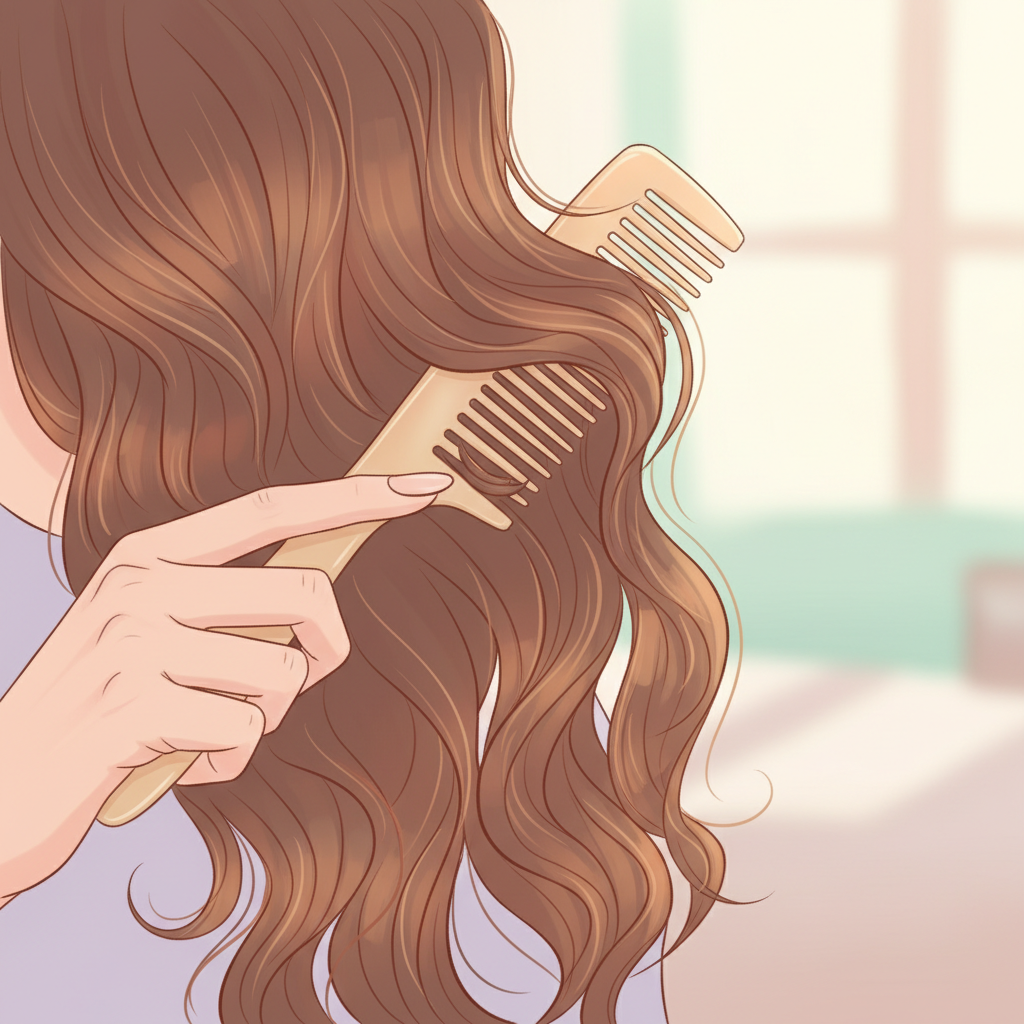
- Soft Brushing: Ditch the harsh brushes. Opt for a wide-tooth comb or a brush with soft bristles. Always start detangling from the ends and work your way up.
- Avoid Tight Styles: Say 'see ya later' to super-tight ponytails, buns, or braids. These can pull on your roots and cause breakage. Think loose, breezy, and comfortable.
- Air Dry When You Can: Heat styling tools are not your friend right now. Embrace your natural texture and let your hair air dry as much as possible.
Nourish From Within
What you're eating directly impacts your hair's health, especially when you're breastfeeding and your body is working overtime. It’s not just about feeling better, it’s about giving your hair follicles the building blocks they need.
Here’s where the best vitamins for postpartum hair loss while breastfeeding come into play. While a balanced diet is key, some nutrients are particularly crucial for hair growth:
- Iron: Essential for carrying oxygen to your hair follicles. If you're feeling particularly fatigued, talk to your doctor about checking your iron levels. Low iron can also be a factor in toddler constipation starting solids naturally.
- Protein: Hair is made of protein! Make sure you're getting enough lean meats, fish, eggs, beans, and lentils.
- Biotin (Vitamin B7): A classic for hair health. Found in eggs, nuts, sweet potatoes, and avocados.
- Vitamin C: Helps with iron absorption and collagen production. Citrus fruits, bell peppers, and berries are great sources.
- Zinc: Important for hair tissue growth and repair. Oysters, beef, pumpkin seeds, and lentils are good choices.
A Note on Supplements: While a good prenatal vitamin or dedicated postnatal vitamin can help fill any nutritional gaps, always chat with your OB-GYN or a registered dietitian before starting any new supplement, especially while breastfeeding. They can ensure it’s safe for you and your baby, and help identify any deficiencies that need addressing.
The Real Answer: What's Best for Postpartum Hair Loss?
Honestly, there’s no single magic bullet. The best thing for postpartum hair loss while breastfeeding is a combination of patience, gentle care, and good nutrition. It’s about supporting your body as it recovers and slowly rebalances. Focus on what you can control – your hair care routine and your diet – and be kind to yourself about what you can’t. For mothers considering their options, understanding postpartum care at a birth center can be an important part of the recovery plan.
Brands, Boobs, and Breakthroughs: Safe Hair Products
Navigating the world of hair products when you’re breastfeeding can feel like a minefield. You want effective, but you need safe.
Decoding Ingredients: What to Look For (and Avoid!)
The good news is that most everyday hair products are generally considered safe for breastfeeding moms. The intense hormonal changes are the primary driver of hair loss, not typically the shampoo you use. However, it's always wise to be mindful:
Look for:
- Natural oils: Argan, jojoba, coconut oils can add moisture and shine.
- Biotin and Keratin: Often found in strengthening shampoos and conditioners.
- Gentle surfactants: Instead of harsh sulfates that can strip hair.
Avoid:
- Anything with strong chemicals you're unsure about. If a product has a long list of ingredients you can't pronounce and makes outlandish claims, it might be best to steer clear, just in case.
Discover your baby's phase
Natural Remedies That Won't Touch Your Milk Supply
Many moms are looking for safe postpartum hair loss treatment breastfeeding options that are natural. Here are a few ideas that are generally considered safe:
- Scalp Massage: Gently massaging your scalp can increase blood circulation, which might promote hair growth. It feels amazing, too.
- Rosemary Oil (Diluted!): Some research suggests rosemary oil can be as effective as minoxidil for hair growth. Crucially, always dilute essential oils with a carrier oil like jojoba or coconut oil before applying to your scalp, and do a patch test first. While topical application is generally considered safe, it’s always best to confirm with your healthcare provider.
Shampoos and Treatments: Recommendations?
While there aren't specific "breastfeeding safe" shampoos that cause hair regrowth, many moms find that focusing on strengthening and volumizing shampoos can make their existing hair appear fuller and healthier. Brands that focus on natural ingredients and avoid harsh chemicals are often a good bet. Look for terms like "volumizing," "thickening," or "nourishing." Some of these brands might also offer products for managing baby's needs, such as best pacifier for breastfed baby.
Some moms rave about Nioxin or similar systems designed to address thinning hair. Again, the key is to ensure any product you choose is safe for nursing and consult your doctor if you have any concerns.
More Than Just Hair: The Emotional Rollercoaster
This is where things get heavy. It’s not just about the strands falling out; it’s about how it makes you feel. Your body has done this incredible thing – grown and delivered a human – and now it feels like it’s betraying you with your hair.
The Invisible Load of Hair Worries
It’s easy to feel self-conscious. You might feel like you don't look like yourself anymore. You’re already dealing with sleep deprivation and the massive adjustment to motherhood, and then there’s this extra layer of worry. Acknowledge that it’s okay to feel frustrated, sad, or even angry about it. Your feelings are valid.
Styling Your Way Through It
Sometimes, small changes can make a big difference in how you feel.
- New Part: Switching your part can instantly give the appearance of more volume.
- Textured Styles: Embrace waves or curls if you have them. They can create the illusion of thicker hair.
- Headbands & Scarves: A stylish headband or a pretty scarf can be your best friend on days when your hair just isn't cooperating.
- Dry Shampoo: Not just for absorbing oil, but for adding a bit of grit and volume at the roots!
Celebrate the Wins, Big and Small
Did you manage to brush your hair without seeing a small hamster's worth fall out? That’s a win! Did you try a new hairstyle that made you feel good? Celebrate it!
And please, ask for help. If your partner, mom, or a friend can offer a moment to help you style your hair, hand you a coffee, or just listen to you vent, take them up on it. You don't have to carry this all by yourself.
The Home Stretch: When Will This Sprout Back?
The million-dollar question, right? When does the shedding actually stop, and when can I expect my luscious locks to return?
The Timeline for Growth
Generally, postpartum hair shedding peaks around 3 to 6 months after delivery. It can feel like forever, but this phase typically lasts only about 6 to 12 months. After the shedding slows down, you'll start to notice those pesky baby hairs (or perhaps, regrowth hairs!) beginning to emerge. It takes time for hair to grow back to its original thickness and length, so patience is key. For moms finding it hard to manage everything, learning about managing parental leave while switching jobs might be a helpful resource.
Embracing Patience and Self-Care
The best way to help your hair recover is to continue with gentle care, good nutrition, and self-compassion. Prevent hair loss breastfeeding feels less like a battle and more like a nurturing process. Focus on the long game: healthy hair will grow.
When to Call the Doctor
While telogen effluvium is normal, there are times when it's worth checking in with your doctor. If your hair loss is:
- Sudden or very severe.
- Happening in patches (like bald spots).
- Accompanied by itching, redness, or pain on the scalp.
- Not showing signs of slowing down or regrowth after a year.
These could be indicators of other conditions, such as thyroid issues, nutritional deficiencies beyond what's typical postpartum, or other scalp conditions. Your doctor can run tests to rule out any underlying medical concerns and offer personalized advice.
This whole motherhood journey is a beautifully messy, overwhelming, and utterly transformative experience. Your hair might be falling out right now, but you are still amazing, strong, and doing an incredible job. Be gentle with yourself. This phase will pass, and your hair will catch up. You've got this, mama.