Clean & Store Formula Pitchers Safely: A Parent's Guide
Learn how to safely clean and store formula pitchers for daily use, including effective cleaning steps, proper refrigeration, and choosing the best pitcher to protect your baby's health.
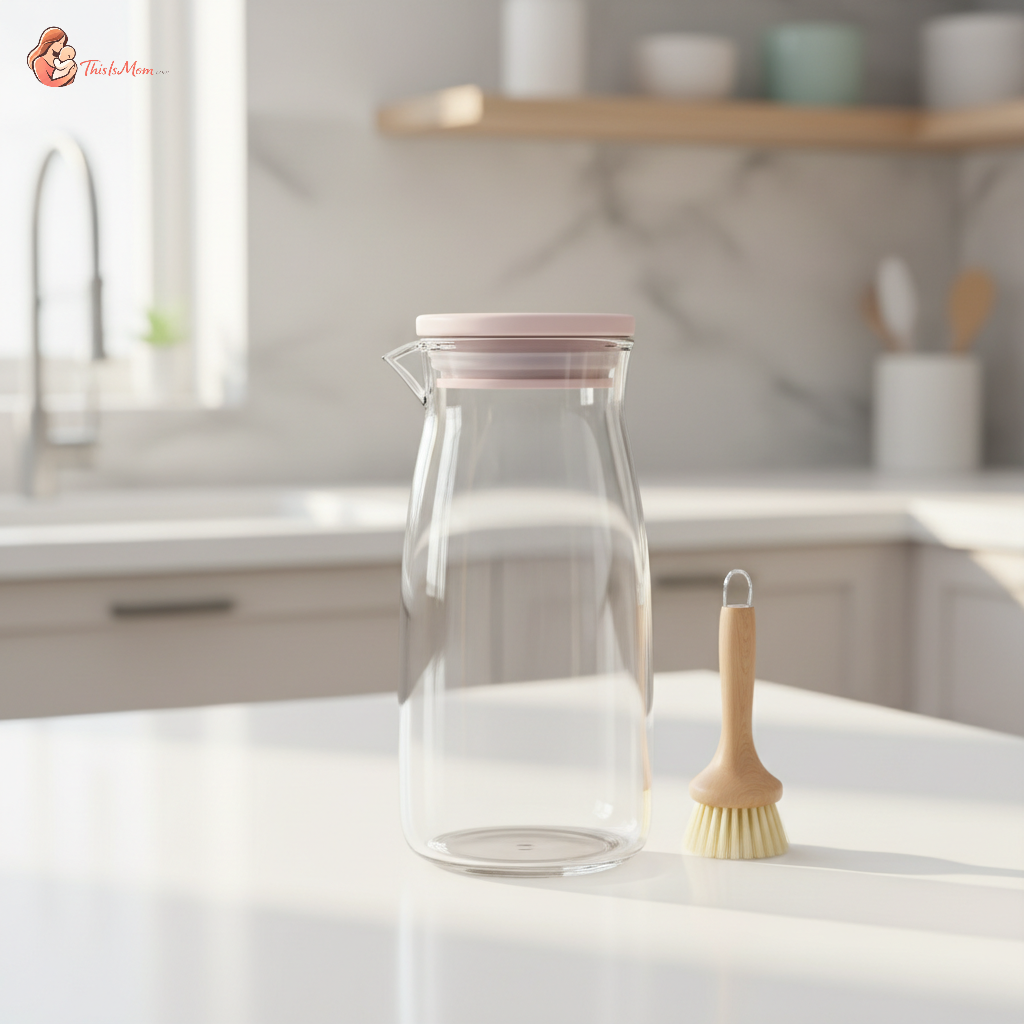
Clean & Store Formula Pitchers Safely: An Essential Guide
Your baby's health is paramount, and when it comes to feeding them safely, every detail matters. If you're using a formula pitcher to prepare your baby's formula, you might be wondering about the best practices for cleaning and storing it. Understanding how to safely clean and store formula pitchers for daily use is crucial for preventing bacterial contamination and ensuring your little one gets the nutrition they need without added risks.
Why Good Hygiene Matters for Formula
Preparing infant formula requires diligence. While formula itself is shelf-stable before mixing, once water is added, it becomes a medium where bacteria can potentially grow if not handled properly. The Centers for Disease Control and Prevention (CDC) emphasizes that correct formula preparation is vital for protecting infants from serious infections.
The primary concern with improper formula preparation and storage is the risk of bacterial contamination. Certain bacteria, like Cronobacter sakazakii, can be present in powdered infant formula and can survive if the formula isn't prepared or stored according to guidelines. While rare, Cronobacter infections can be severe, leading to meningitis or sepsis in infants. Following best practices for formula pitcher safety helps mitigate these risks.
Daily Cleaning: A Step-by-Step Approach
The guidelines for formula preparation, including cleaning your mixing pitcher, are designed to be straightforward yet effective. A clean pitcher is the first line of defense against unwanted microbial growth.
Initial Rinse and Disassembly
After each use, it's recommended to rinse the formula pitcher thoroughly. Disassemble any parts, such as lids or mixing implements, so all surfaces can be cleaned. This initial step removes any residual formula, making the subsequent cleaning process more effective.
The Essential Clean: Soap, Brush, and Warm Water
The CDC advises using a clean brush to wash the pitcher, its lid, and any other parts with warm water and dish soap. Ensure you scrub all areas, including the inside surfaces and any crevices. This mechanical action, combined with soap and warm water, is generally sufficient for daily cleaning to remove formula residue and most transient bacteria.
Do I Need to Sanitize My Formula Pitcher?
Sanitizing formula preparation equipment is recommended, particularly for the first few uses and periodically thereafter. The U.S. Food and Design Administration (FDA) provides guidance on this. For new equipment, including formula pitchers, the recommendation is to wash them thoroughly and then sanitize them by boiling for 5 minutes. If you're looking for alternative sterilization methods, you might find information on how to sterilize breast pump parts without dishwasher or steam bags useful, as some principles of hygiene are similar.
However, for daily cleaning thereafter, the primary focus is on meticulous washing with soap and warm water. If you are concerned about sanitizing after each use, some dishwashers have a sanitize cycle, or you can boil parts if they are heat-safe. The key is consistent, thorough cleaning.
Drying Properly to Prevent Contamination
After washing, it's crucial to dry all formula preparation equipment thoroughly. The CDC suggests placing washed items on a clean towel or drying rack in an area that is clean and protected from dirt or dust. Allowing them to air dry completely helps prevent moisture, which can encourage bacterial growth.
Safely Storing Prepared Formula in a Pitcher
Once your formula is mixed and your pitcher is clean, safe storage is the next critical step. Proper refrigeration is key to slowing down any potential bacterial growth.
Temperature Matters: Refrigeration Guidelines
Prepared infant formula should always be refrigerated. The guidelines from organizations like the Mayo Clinic state that refrigerated formula should be kept at a temperature of 40°F (4°C) or below. Overfilling the refrigerator can impede air circulation and prevent it from maintaining a consistent, safe temperature.
How Long Can a Pitcher of Formula Stay in the Fridge?
Discover your baby's phase
The general rule of thumb for refrigerated, prepared formula is that it should be used within 24 hours of preparation. Once mixed, formula does not last indefinitely in the refrigerator. After 24 hours, the risk of bacterial proliferation increases, even under refrigeration. Always check the formula brand's specific instructions, as some may have slightly different recommendations. If your baby has a sensitive tummy, ensuring the formula is always fresh might be particularly important. You can learn more about the best formula brand for baby with sensitive tummy constipation to address other potential feeding concerns.
Can I Mix Formula in a Pitcher and Fill Bottles Throughout the Day?
Yes, this is precisely the benefit of using a formula pitcher – it allows for preparing larger batches. You can mix the formula in the pitcher, store it in the refrigerator, and then pour the required amount into a clean bottle as needed. This "pitcher method" can save time and ensure consistent mixing. Remember to cap the pitcher securely when storing it in the fridge.
The key is to always use formula from the pitcher within that 24-hour window, and any formula left in a bottle after a feeding should be discarded.
Choosing the Right Pitcher for Formula
Not all pitchers are created equal when it comes to preparing and storing infant formula. Considering the materials and features can enhance hygiene and ease of use.
Glass vs. Plastic: Pros and Cons for Formula
- Glass pitchers are generally preferred by many parents for their non-porous nature, which makes them easier to clean and less likely to retain odors or stains. Glass is also inert, meaning it won't leach chemicals. However, glass can break, posing a safety risk.
- Plastic pitchers are lighter and more durable. When choosing plastic, look for BPA-free options. Some high-quality plastics are designed to resist staining and odors. The important factor is that the plastic is food-grade and designed for food storage.
Features to Look For in a Good Formula Pitcher
When selecting a formula pitcher, consider these features:
- Airtight lid: This is essential to prevent contamination and keep the formula fresh.
- Clear measurements: Accurate markings on the side help ensure you’re mixing the correct water-to-formula ratio.
- Easy-to-clean design: Look for pitchers with smooth interior surfaces and minimal complex parts that are hard to reach with a brush.
- Durable material: Whether glass or plastic, you want a pitcher that will last.
Popular Formula Pitchers
Several brands offer formula pitchers designed for this purpose. While specific endorsements aren't made here, popular options often include those from Dr. Brown's, Similac, and specialized formula pitcher brands. Reading reviews and checking the material and design for the features mentioned above can help you make an informed choice.
When to Take Action
While following these guidelines significantly reduces risk, it's always wise to be aware of potential signs of illness in your infant.
Signs of Formula-Related Illness
If your baby shows signs of illness after feeding, such as prolonged vomiting, diarrhea, fever, or unusual lethargy, it's important to seek medical advice. These symptoms can be indicative of various issues, and it's always best to consult with a healthcare professional to determine the cause. If your baby has recently been ill, learning how to handle a toddler suddenly refusing previously loved foods after illness or how to introduce foods after a stomach bug can be helpful.
General Tips for Infant Feeding Safety
- Always wash your hands thoroughly before preparing formula.
- Use safe water: Consult your pediatrician or local health department about the safety of your tap water for formula preparation. If unsure, boiling water for formula is recommended.
- Sterilize bottles and nipples before first use and periodically as recommended by your pediatrician or the bottle manufacturer.
- Never reuse prepared formula in a bottle once your baby has drunk from it. Discard any remaining formula within one hour of the start of the feeding.
Navigating the world of infant feeding can bring up many questions. By adhering to the recommendations from health authorities like the CDC and AAP regarding the preparation and storage of formula, you are taking important steps to safeguard your baby’s well-being. These practices, from daily cleaning to proper refrigeration, are foundational to providing safe and nutritious feeding for your little one.