Japanese Parenting Habits: Raise Thoughtful, Responsible Kids
Discover effective Japanese parenting habits to raise children who are thoughtful, responsible, and empathetic. Learn strategies for discipline, chores, and fostering independence.
Raising Thoughtful, Responsible Kids? Japanese Parenting Habits Offer Insights
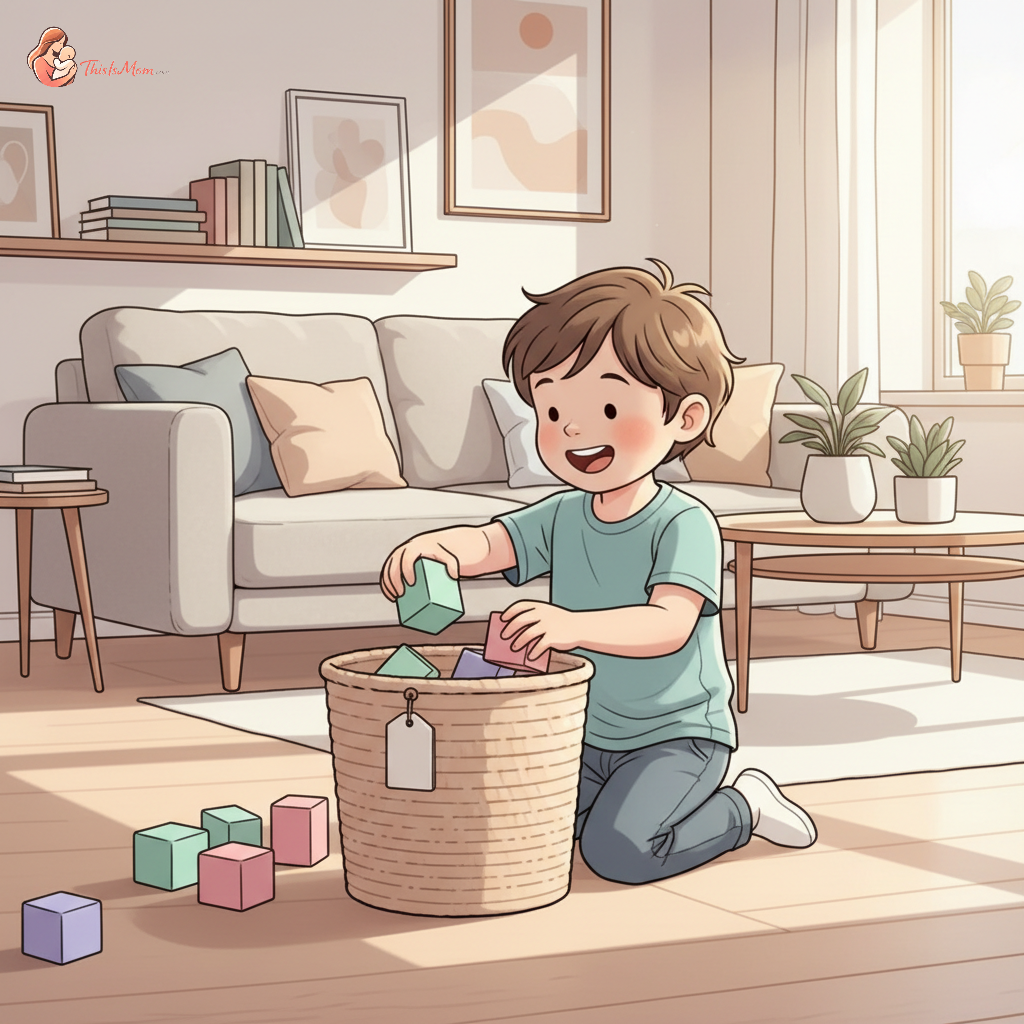
Your child just left their toys scattered across the living room floor for the third time this week — should you worry about their sense of responsibility? Many parents wonder how to instill these crucial traits. You might be curious about different approaches, including the well-regarded Japanese parenting habits that aim to raise thoughtful, responsible kids. It’s not about a specific discipline method, but rather a holistic philosophy deeply woven into daily life.
These practices emphasize community, interdependence, and teaching children to consider others from a very early age. The goal is to nurture a sense of belonging and contribution, rather than solely focusing on individual achievement. Let's explore some of these concepts and see how they might translate into your own family's rhythm.
What Makes Japanese Parenting Distinctive?
At its core, Japanese parenting often prioritizes the group over the individual. This doesn't mean a child's needs are ignored. Instead, it’s about understanding how one's actions impact others and the community. This perspective begins in the home and extends outwards.
A key concept is amae (甘え). This isn't just about spoiling a child. It's a deep-seated feeling of indulgence and a reliance on the benevolence of others, particularly parents. While it sounds counterintuitive to raising responsible kids, amae is understood as the foundation for later independence. The child feels secure and loved, which frees them to explore and learn to contribute when they are ready. This fosters a sense of trust and interdependence within the family.
Teaching empathy is another cornerstone. From a young age, Japanese children are encouraged to think about how their behavior might make others feel. This is often done through gentle guidance rather than forceful instruction, helping them develop an innate understanding of social cues and group harmony.
Everyday Habits for Cultivating Responsibility
Responsibility isn't learned overnight; it’s cultivated through consistent practice. Many Japanese parenting principles involve integrating children into the daily workings of the household from a very young age.
A significant part of this is osoji (大掃除), which translates to "big cleaning" but is more accurately understood as regular, daily tidying. Children are involved in household chores from toddlerhood. This could be as simple as putting their own toys away before bedtime or helping to wipe down a table. The osoji effect teaches children that they are an integral part of the family unit and that their contribution matters. It builds a sense of ownership over their environment and their tasks.
Self-sufficiency is another area where children are encouraged to grow. Packing their own school lunches or preparing their backpacks for the day are common practices. This may seem like a lot for young children, but starting with simple elements—like choosing their snack or gathering their own books—can build these skills gradually. The aim is to foster a sense of capable independence. You can assess toddler fine motor skills using everyday items to help build this self-sufficiency.
Understanding routines and contributing to shared spaces are also key. This can involve helping to set the table for meals, tidying communal areas, or participating in family clean-up times. When children see their efforts as contributing to the family's well-being, they are more likely to embrace these responsibilities.
Fostering Thoughtfulness and Empathy
Beyond chores and routines, nurturing thoughtfulness and empathy is central to Japanese child-rearing. This involves teaching children to navigate social situations with grace and consideration for others.
Discover your baby's phase
Learning to consider others is practiced extensively, particularly regarding public manners and group harmony. This includes teaching children to be quiet on public transport, to avoid disrupting others, and to be mindful of noise levels in shared spaces. The emphasis is on being a considerate member of society.
A practical tool sometimes mentioned is the '5-second rule.' This isn't about eating dropped food; rather, it's a moment for a child to pause and consider the potential impact of their actions or words before they speak or act impulsively. It’s a brief mental check for consequences, encouraging more thoughtful decision-making.
Activities that promote perspective-taking are also valuable. This might involve role-playing scenarios, discussing how characters in a book might feel, or simply asking a child to imagine being in someone else's shoes. These exercises help children develop a deeper understanding of others' emotions and motivations, and you can encourage independent play for a clingy toddler by fostering this empathy.
Discipline Without Punishment: The Japanese Approach
When addressing misbehavior, the Japanese approach often leans towards guidance and understanding rather than immediate punishment. The focus is on teaching and learning, rather than simply enforcing rules.
Communicating expectations clearly and calmly is a first step. Instead of reacting with anger, parents often take a moment to explain why a certain behavior is not acceptable, linking it back to the impact on others or the household. This reasoned approach helps children understand the underlying principles.
When consequences arise, they are often natural or logical. If a child breaks a toy through rough play, the natural consequence is that the toy is broken. The focus then shifts to problem-solving: "What can we do now?" or "How can we prevent this from happening again?" This guided problem-solving helps children learn from their mistakes in a constructive way, a skill that can be honed through activities that assess toddler fine motor skills or even screen-free alternatives for toddlers in waiting rooms.
Yelling, while it may happen occasionally in any household, is generally not the first resort. The belief is that calm communication is more effective in the long run for fostering understanding and cooperation. Constant yelling can desensitize children and create a tense home environment, hindering genuine learning.
Integrating Japanese Wisdom into Your Home
You don't need to adopt every aspect of Japanese parenting to benefit from its wisdom. The goal is to find practices that resonate with your family and seamlessly integrate them into your existing life.
Starting small is often the most effective approach. Choose one habit that appeals to you, perhaps involving your child in a simple daily cleanup or practicing a brief moment of pause before reacting to a situation. Once that feels natural, you can introduce another.
It’s important to adapt these cultural practices to your family values. What works in one culture might need adjustment in another. For example, the emphasis on community can be translated into strengthening family bonds or encouraging volunteerism. The core principle of considering others can be applied in various ways. For instance, teaching children to discuss birth preferences can foster assertiveness and communication skills.
Consistency is key to making any new practice stick. When parents and caregivers consistently model and encourage these behaviors, they become an ingrained part of family life. Making these elements a regular family routine helps children understand expectations and build habits that support thoughtfulness and responsibility.
These timeless principles, rooted in a deep understanding of child development and community, offer a rich source of inspiration for raising children who are not only responsible but also kind, considerate, and empathetic individuals.
For personalized advice on fostering responsibility and thoughtfulness in your child, always check with your pediatrician.