Low-Sugar On-the-Go Toddler Snacks for Daycare
Discover the best low-sugar, shelf-stable, and daycare-approved snacks for toddlers. Learn why low sugar matters, essential considerations, and DIY ideas.
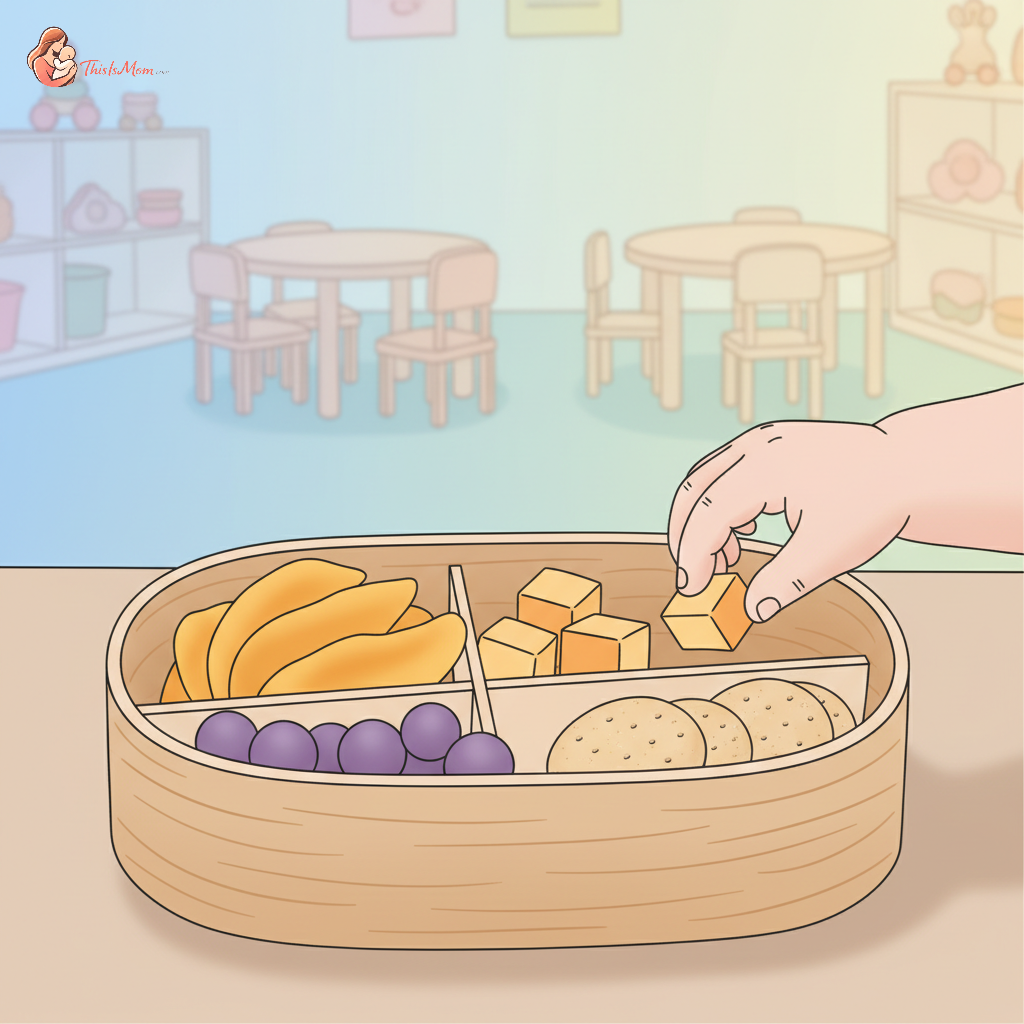
Best Low-Sugar On-the-Go Toddler Snacks for Daycare
Your toddler's daycare snack bag is a big part of their daily nutrition. Navigating the aisles for the best on-the-go low-sugar toddler snacks for daycare can feel overwhelming. You want something convenient, healthy, and approved, without the sneaky added sugars.
This guide translates evidence and guidelines to help you pack smart, focusing on genuinely low-sugar, shelf-stable, and easy-to-manage options. We'll explore why limiting sugar is important, offer top snack ideas, and cover essential considerations for daycare settings.
Why Low Sugar Matters for Little Ones: Guidelines
The American Academy of Pediatrics (AAP) emphasizes the importance of good nutrition from the start. For toddlers, this means focusing on whole, unprocessed foods that support healthy growth and development.
What Does 'Low Sugar' Mean for Toddlers?
When we talk about low sugar, we primarily mean limiting added sugars. These are sugars and syrups put into foods during processing or preparation, not the natural sugars found in fruits or milk. The AAP recommends that toddlers (ages 1-2) consume less than 100 calories from added sugars per week, which is about 6 teaspoons.
The Impact of Sugary Snacks on Growing Bodies
Consuming too many added sugars can have several effects on toddlers. Research suggests that a diet high in added sugars can contribute to unhealthy weight gain. It can also displace nutrient-dense foods, meaning toddlers might fill up on sugary items instead of foods packed with essential vitamins and minerals. You can learn more about creative ways to offer vegetables to your toddler if they tend to shy away from nutrient-dense foods.
Furthermore, early exposure to very sweet tastes can shape preferences for the future. The goal is to foster a palate that appreciates a variety of flavors, including those from natural sources.
Navigating Daycare Snack Policies
Many daycares have specific snack policies in place, often encouraging healthy options and sometimes restricting certain ingredients. Understanding these policies beforehand can simplify your snack selection process. Always check with your childcare provider about their guidelines regarding sugar content, common allergens, and what constitutes an approved snack. You might also want to familiarize yourself with navigating daycare closures due to staff shortages as unexpected closures can impact routines.
Our Top Picks: Shelf-Stable & Low-Sugar Snacks for Daycare
Finding genuinely low-sugar, daycare-approved snacks that are also shelf-stable and easy to pack requires a bit of savvy label reading. Here are some categories and ideas that fit the bill.
Fruit-Based Wonders (with a Caveat!)
Whole fruits are fantastic, but for daycare, shelf-stable options are key.
- Dried Fruit: Look for unsweetened dried fruits like apricots, raisins, or apple rings. However, dried fruit is concentrated in natural sugars, so portion control is essential. The AAP suggests offering these in moderation. Always check labels for added sugars. Consider exploring safe on-the-go purees for baby without refrigeration if pouches are preferred.
- Fruit Purees/Pouches: Opt for 100% fruit pouches with no added sugars or sweeteners. These are convenient but can be consumed quickly. Consider pairing these with a protein or fat source to balance blood sugar.
Savory & Protein-Packed Options
These snacks can help keep toddlers feeling full and satisfied.
- Unsalted Nuts and Seeds: For toddlers who have outgrown choking risks (typically over age 4, or earlier if they are good chewers and the items are prepared appropriately), unsalted, unsweetened nuts and seeds are excellent. Always check with your pediatrician regarding when it is safe to introduce these and how to serve them to minimize choking risk. You may also want to look for easy iron-rich snacks for picky toddlers to boost their nutrient intake.
- Roasted Chickpeas: These offer a satisfying crunch and plant-based protein. You can buy them pre-packaged or easily make your own without added salt or sugar.
- Seaweed Snacks: Unseasoned or lightly salted varieties can be a fun, crispy option.
Dairy & Dairy-Free Alternatives
When refrigeration is available or for shorter days, these can be good choices. For shelf-stable options, consider:
- Cheese Sticks or Cubes: Unsweetened, plain cheese is a good source of protein and calcium.
- Shelf-Stable Yogurt Cups: Look for plain or minimally sweetened varieties, though these are less common. Many brands are high in added sugars, so careful label reading is crucial.
- Dairy-Free Yogurt Alternatives: Similar to dairy yogurt, choose plain or unsweetened versions made from soy, coconut, or almond.
Whole Grains & Crunchy Bites
These provide fiber and sustained energy.
- Whole Grain Crackers: Select crackers made with 100% whole wheat or other whole grains, with no added sugars or refined flours. Brands that focus on minimal ingredients are often the best. These can be a good accompaniment to other snacks, such as easy toddler lunch ideas with no cooking required for daycare.
- Rice Cakes: Plain or lightly salted rice cakes can be a simple crunch.
- Whole Grain Puffs/Cereal: Look for cereals or puffs marketed for toddlers that are low in sugar and made with whole grains. These are often a good entry point for toddlers exploring new textures.
Discover your baby's phase
Essential Considerations for Daycare Snacks
Beyond just sugar content, several other factors are vital when selecting and packing snacks for your little one's daycare.
Allergen-Friendly Choices: Reading Labels Carefully
Many daycares have strict policies regarding common allergens like peanuts, tree nuts, soy, dairy, eggs, and wheat. Always read ingredient labels meticulously. Look for "allergen-free" claims if necessary, but understanding the ingredient list is paramount, as cross-contamination can be a concern.
Choking Hazards: Age-Appropriate Textures
Toddlers are still developing their chewing and swallowing skills. It's crucial to select snacks that are soft, easily mashable, or cut into small, manageable pieces to reduce the risk of choking. Avoid hard, round, or sticky foods.
When in doubt about a food's safety, it's always best to err on the side of caution.
Portion Control for Little Appetites
Toddlers have small stomachs. Offer a single serving of snacks to avoid overconsumption. Many snack packages are designed for adults, so you may need to portion them out into smaller containers or bags.
Avoiding Packaging Pitfalls (Mess & Waste)
Consider how easy the snack is to open and eat independently, especially if your toddler is in a classroom where staff might be stretched thin. Also, think about the packaging – single-serving pouches can create a lot of waste. Reusable containers are a more eco-friendly option.
DIY Low-Sugar Toddler Snacks: Easy & Economical Options
Making your own toddler snacks for daycare with no sugar can be a rewarding way to control ingredients and save money.
Simple Homemade Ideas
- Mini Muffins: Bake muffins using whole wheat flour, unsweetened applesauce or mashed banana for sweetness, and minimal added sugar or honey (never honey for babies under 1).
- Fruit & Veggie Bites: Pureed fruits and vegetables can be mixed with oats or whole-wheat flour and baked into small, firm bites.
- Homemade Trail Mix: Combine safe, age-appropriate ingredients like unsweetened cereal, pumpkin seeds, and dried fruit (in moderation).
Batch Prep for Busy Weeks
Dedicate a portion of your weekend to making snacks for the week ahead. Store muffins, energy balls, or baked veggie fries in airtight containers in the refrigerator or freezer. This saves precious time on busy mornings.
When to Talk to Your Pediatrician or Daycare Provider
While this guide offers general advice based on guidelines, every child is unique.
Addressing Picky Eating Concerns
If your toddler is a picky eater and resistant to trying new healthy snacks, discuss this with your pediatrician. They can offer strategies and rule out any underlying issues.
Specific Dietary Needs or Restrictions
For children with allergies, intolerances, or other specific dietary needs, working closely with your pediatrician and daycare provider is essential to ensure their safety and nutritional well-being.
Communicating with Your Daycare About Snacks
Open communication with your daycare is key. Share your goals for low-sugar snacking and inquire about their current snack menu and policies. This partnership ensures consistency and supports your efforts at home.
Ultimately, choosing healthy toddler snacks involves a mindful approach to ingredients, textures, and your child’s individual needs. By focusing on whole foods and limiting added sugars, you can confidently pack a bag that fuels your toddler’s day.
Remember, the best nutrition plan is one that works for your family and your child. When in doubt about any aspect of your toddler's diet or what to pack, it's always best to check with your pediatrician for your specific situation.