Managing Extreme Pregnancy Fatigue: 10+ Work Survival Tips
Struggling with extreme pregnancy fatigue while working full-time? Discover practical strategies for your workday, home life, and navigating workplace accommodations to thrive.
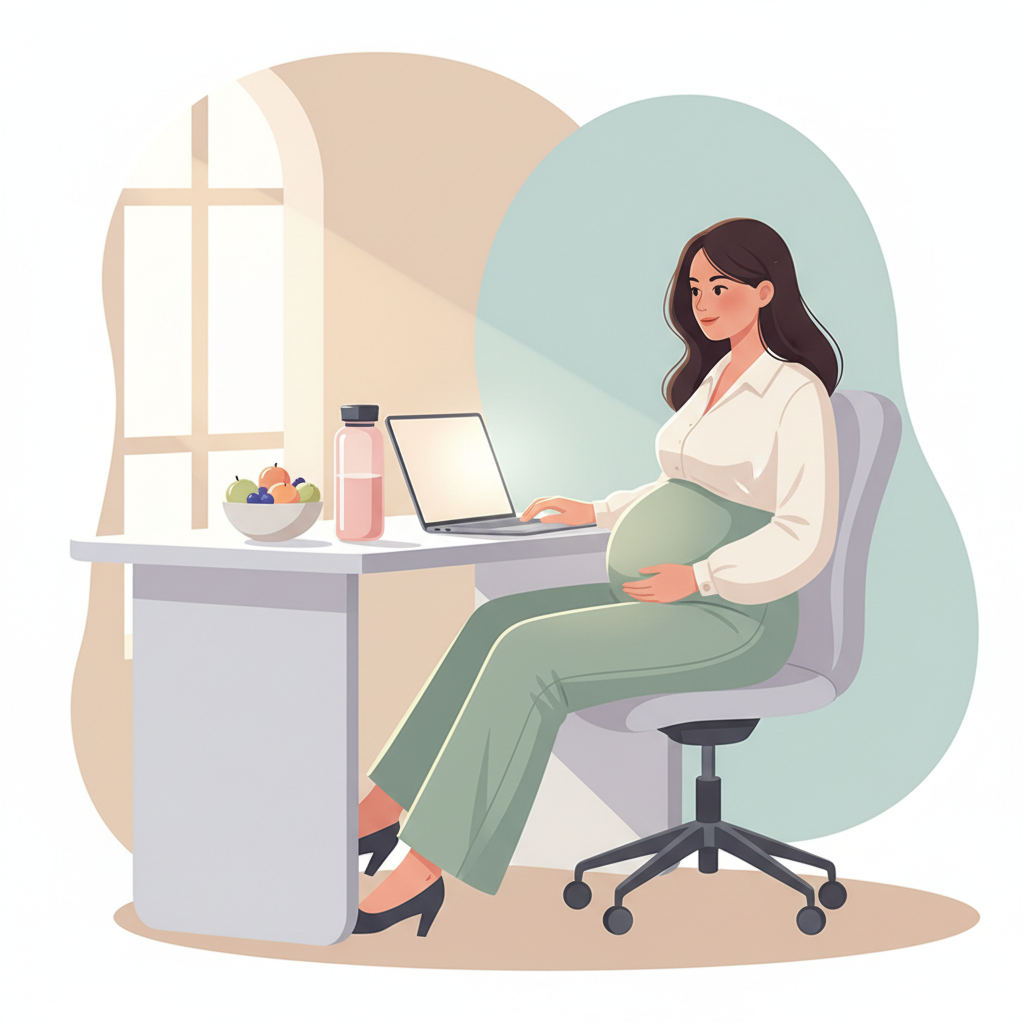
The Unseen Grind: Managing Extreme Pregnancy Fatigue While Working Full Time
It’s 7:15 a.m. My alarm is a gentle nudge, yet my body feels like it’s been pulled through a keyhole. The thought of putting on work clothes, brewing coffee, and somehow assembling coherent thoughts for a morning meeting feels, well, impossible. This is the reality of navigating extreme pregnancy fatigue while working full time. It’s not just feeling a little sleepy; it's a soul-deep exhaustion that makes your pre-pregnancy brain feel like a distant, energetic relative.
Let's be real: the world of professional expectations doesn’t pause for your rapidly changing biology. You're still expected to be sharp, productive, and present, even when every cell in your body is screaming for a nap. The real cost here isn't just a few lost hours of productivity; it’s the emotional toll of feeling like you're failing at both work and pregnancy, the physical strain of pushing through when your body begs you to stop, and the potential career trade-offs when your energy reserves are severely depleted. The math doesn't math when you're trying to be a high-performing employee and grow a human simultaneously.
Listening to Your Body: Pregnancy Fatigue Isn't Just "Tired"
This isn't your typical Monday morning grogginess. Pregnancy fatigue hits differently because it’s fueled by massive hormonal shifts and the sheer physical demand of creating another life. Your body is working overtime, prioritizing the baby’s development above all else, which means your personal energy budget gets slashed. This is why pregnancy fatigue first trimester work can feel particularly brutal—your body is undergoing immense change, and your energy levels often plummet before you even start showing.
For many, the most intense wave of extreme tiredness during early pregnancy hits in the first trimester. Hormonally, your body is gearing up, your progesterone levels are soaring, and your metabolic rate is increasing. Then, as you move into the second trimester, many pregnant individuals report a temporary reprieve, a bit of a boost. However, as you progress into the third trimester, the fatigue often returns with a vengeance, compounded by the physical weight you're carrying and the final push towards labor. Whatever trimester you're in, remember this fatigue is a legitimate physiological response.
Surviving Your Workday: Strategies for an Energized (Relatively) 9-to-5
Working while pregnant demands a strategic approach to your workday. We need to optimize our environment and our energy expenditure like never before.
Your Workspace, Reimagined for Energy
Think of your desk as your temporary sanctuary.
- Ergonomics are key: Ensure your chair is supportive and your monitor is at eye level. Good posture can prevent unnecessary strain.
- Hydration station: Keep a large water bottle within reach. Dehydration is a major energy drain. Keep it infused with cucumber or lemon if plain water feels like a chore.
- Natural light: If possible, position your workspace near a window. Natural light helps regulate your circadian rhythm.
- Comfort is not a luxury: If your workplace allows for it, bring in a supportive cushion or a cozy throw for chilly offices.
Smart Breaks and Power Naps (Don't Mock Them)
Traditional lunch breaks are often not enough when you’re running on fumes. For those navigating the intense sleep deprivation that can accompany new parenthood, adjusting to less sleep is a skill to be learned. adjusting-to-less-sleep-returning-to-work-postpartum.
- Scheduled mini-breaks: Aim for 5-10 minutes every hour or two. Stand up, stretch, walk to the water cooler, or simply close your eyes and breathe deeply.
- Power nap potential: If your workplace has a quiet room or a less-trafficked area, discreetly using 15-20 minutes for a power nap can be transformative. This isn’t always feasible, but explore the options. Even resting with your eyes closed for 10 minutes can help.
- Listen to your body: If you feel overwhelming sleepiness, prioritize a short rest if at all possible. Pushing through might feel productive in the moment but can lead to crashes later.
Fueling Your Body: Easy, Energizing Snacks at Work
Skipping meals or relying on sugary fixes is a recipe for energy disaster. Small, frequent, nutrient-dense snacks are your best friend for managing tiredness during pregnancy. If you are also concerned about your baby's nutrition, consider these best formula options for silent reflux babies.
- Protein + Carb combos: Think Greek yogurt with berries, an apple with almond butter, or a hard-boiled egg with whole-wheat crackers. These provide sustained energy.
- Trail mix: A good mix of nuts, seeds, and dried fruit (in moderation) can be a portable powerhouse.
- Veggies and hummus: Pre-cut veggies like carrots and bell peppers with a side of hummus offer fiber and protein.
- Smoothies: If you can prep one at home and bring it in a thermos, a nutrient-rich smoothie is a fantastic way to get a lot of goodness in one go.
Navigating the Workplace: Communicating Your Needs Effectively
You don't have to suffer in silence. Proactive communication with your employer is crucial for managing pregnancy fatigue at work.
When and How to Tell Your Employer
There’s no universally "right" time, but consider your workplace culture and your comfort level. Generally, late in the first trimester or early in the second is common. A direct, factual conversation is best. Outline any immediate needs or potential future adjustments you might require. Frame it around maintaining your productivity and commitment to your role.
Workplace Accommodations: Know Your Rights!
In the U.S., the Americans with Disabilities Act (ADA) and the Pregnant Workers Fairness Act (PWFA) provide protections and avenues for reasonable accommodations. This could include a more comfortable chair, frequent breaks, a modified work schedule, or even a temporary reassignment of duties. Don't hesitate to research your rights or speak with HR. This is also important when considering how to advocate for yourself at your postpartum OB checkup.
Delegating and Prioritizing: The Art of the Essential
Discover your baby's phase
You cannot do it all, especially now. Learn to identify your absolute must-do tasks versus those that are "nice-to-haves" or can be delegated.
- Triage your to-do list: What absolutely must get done by you, today? What can wait? What can someone else handle?
- Empower your team: If you have direct reports, this is the time to genuinely lean on them and offer opportunities for them to step up.
- Say "no" strategically: It’s okay to decline non-essential meetings or projects that will overextend you. Practice polite but firm refusals.
Reclaiming Your Evenings and Weekends: Beyond Work Hours
Once the workday is done, the demands on your energy don't magically disappear. These tips for energy during pregnancy are crucial for overall well-being.
Maximizing Rest at Home
Your home should be a place of restoration, not another source of stress.
- Prioritize sleep: Aim for 8-10 hours of sleep per night. This might mean an earlier bedtime or strategic naps when possible, even for 30 minutes. For infants experiencing sleep regressions, exploring options like how to survive 4 month sleep regression with no cry it out can be helpful for parents.
- Create a relaxing bedtime routine: Unwind with a book, a warm bath, or gentle stretching. Avoid screens an hour before bed.
- Let go of late-night work: Unless absolutely critical, try to disconnect from work emails and tasks once you're officially "off."
Streamlining Household Chores: Permission to Lower Standards
This is the permission slip you didn't know you needed: perfection is the enemy of pregnancy survival.
- The "good enough" principle: Is the laundry folded? Maybe not perfectly, but it's clean. Is the house spotless? Probably not, and that's okay.
- Simplify meals: Embrace slow cooker meals, pre-made components, or even strategically scheduled take-out nights. Meal prepping on a weekend (if you have the energy) can save weeknight stress.
- Delegate chores at home: If you have a partner or older children, assign tasks. Clearly communicate what needs to be done and by whom, without expecting them to read your mind.
The Power of Your Village and Partner
You are not meant to do this alone, especially during pregnancy. Consider how you might manage childcare needs if you're a working parent, perhaps through military childcare cost assistance programs.
- Communicate with your partner: Be open about your fatigue levels and needs. Work together to divide household responsibilities.
- Lean on your support system: Friends, family, or even paid help (if feasible) can provide invaluable assistance with childcare, errands, or meal preparation. Don't be afraid to ask for it.
When to Talk to Your Doctor: Beyond Just Feeling "Tired"
While pregnancy fatigue is normal, there are times when it signals something more. Knowing the red flags is essential.
More Than Just Tired? When to Seek Medical Advice
If your fatigue is all-consuming, persistent, and significantly impacting your ability to function even with rest, it's time to consult your doctor. This includes:
- Fatigue that doesn't improve with rest.
- Extreme sleepiness during the day that leads to microsleeps or nodding off.
- A general feeling of unwellness accompanying the fatigue.
- Symptoms like shortness of breath or dizziness.
Addressing Anemia and Other Underlying Issues
Often, severe fatigue during pregnancy can be linked to underlying medical conditions. Your doctor will likely check for:
- Iron-deficiency anemia: This is very common in pregnancy and a well-known cause of profound tiredness. Effectively managing this can be crucial for managing pregnancy-induced restless legs without medication.
- Thyroid issues: Underactive thyroid can also contribute to fatigue.
- Gestational diabetes: While not always presenting with fatigue, it's something to rule out.
- Sleep apnea: Pregnancy can exacerbate this condition.
Your doctor can perform blood tests and other assessments to identify any treatable causes of your extreme tiredness.
This period of your life is a marathon, not a sprint. There will be days where simply making it through work feels like a monumental achievement, and that's valid. Forget the idea of "having it all" perfectly managed. Instead, focus on integrating your professional life with your pregnant, and soon-to-be-mom, self in a way that feels sustainable. Define what success looks like for you during this demanding but temporary phase. Your version of thriving might look different than you imagined, and that’s not just okay; it’s exactly right.