Parenting Rules: 1960s vs. Today – A Dramatic Shift
Explore how parenting rules have dramatically changed from the 1960s to today. Discover shifts in discipline, feeding, sleep, and safety, driven by science and child development research.
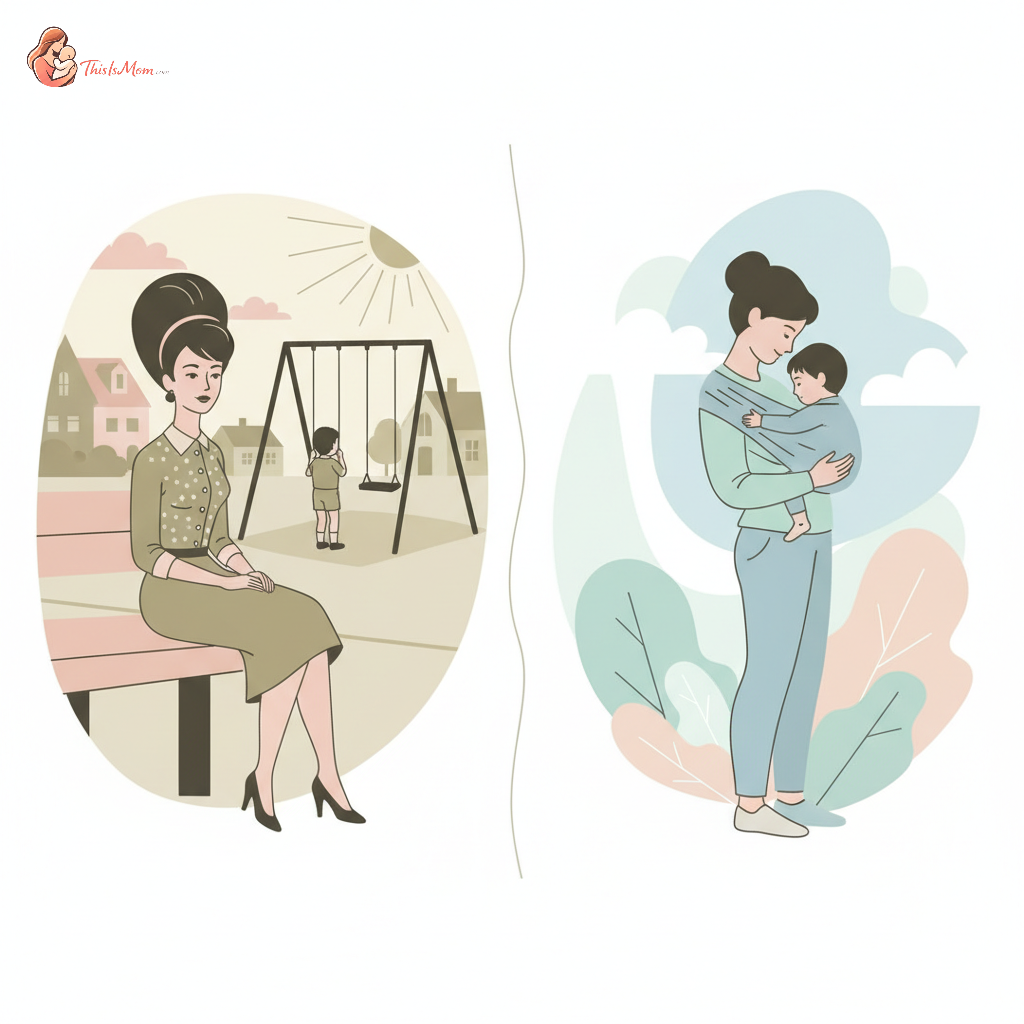
Parenting Rules: 1960s vs. Today – A Dramatic Shift
Your toddler just pushed a sibling – is a firm scolding the only option? Or perhaps you’re wondering about the old advice to let babies “cry it out” until they sleep through the night. Parenting advice has evolved dramatically, and understanding the shifts in parenting rules from the 1960s to today can offer crucial perspective. What was considered standard practice a few generations ago might feel startling now, as our understanding of child development, safety, and emotional needs has deepened.
A Glimpse Into 1960s Child Rearing
In the 1960s, child-rearing often emphasized independence and conformity. The prevailing mindset, heavily influenced by figures like Dr. Benjamin Spock's early editions, leaned towards establishing firm routines and expecting children to adapt.
Common advice for feeding and sleeping focused on strict schedules. Babies were often put on rigid feeding times, and mothers were sometimes encouraged to stick to the clock rather than responding to a baby's hunger cues. Similarly, sleep was approached with the idea of teaching babies to be self-sufficient sleepers from an early age.
Discipline and behavioral expectations also differed significantly. Children were generally expected to be seen and not heard, and obedience was highly valued. Harsh discipline was not uncommon, and emotional expression was often discouraged in favor of stoicism.
Practices That Raised Eyebrows: 1960s Advice Compared to Now
The differences in child rearing from the 1960s vs. now are stark when we look at specific practices.
Feeding Schedules vs. Responsive Feeding
The rigid feeding schedules of the 1960s are a prime example. The emphasis was on the mother's convenience and imposing order.
Modern guidelines, however, highlight the importance of responsive feeding. The American Academy of Pediatrics (AAP) now advocates for parents to recognize and respond to their baby's hunger and fullness cues. This approach, often termed "on-demand feeding," helps babies learn to regulate their intake and fosters a secure attachment. If your baby only falls asleep nursing, you might find gentle ways to shift this pattern helpful as you transition to more responsive feeding.
Sleep Training Methods and Safe Sleep Standards
The advice to let infants "cry it out" without intervention was prevalent in the 1960s. The goal was to encourage independent sleep quickly. While some parents still explore sleep training, there's a growing awareness of its potential downsides, leading many to question gentle parenting flaws and critiques.
Today, the AAP’s safe sleep guidelines are paramount. These include placing infants on their backs on a firm, flat sleep surface in a crib or bassinet without soft bedding, bumpers, or toys. While sleep training methods still exist, the emphasis is on understanding a child's developmental stage and using gentler, responsive approaches where possible, rather than prolonged, unaddressed crying. If your baby cries when put down for sleep, understanding why and what to do can be crucial.
Discipline Tactics Then vs. Now
In the 1960s, physical discipline like spanking was widely accepted and recommended by many experts. The belief was that it was necessary to correct misbehavior and instill obedience.
The evolution of parenting has brought about a significant shift. Research has shown that physical punishment can have negative long-term effects on children, including increased aggression, mental health problems, and impaired cognitive development. Instead, experts and organizations like the AAP and CDC recommend positive discipline strategies that focus on teaching children appropriate behavior, setting limits, and understanding the reasons behind their actions. This is especially relevant when considering how to explain screen time limits to a 3-year-old or manage behaviors like biting and hitting at daycare.
The Science Behind the Shift: How We Understand Children Today
The dramatic changes in parenting approaches are rooted in decades of scientific research. Advances in understanding how children grow, learn, and form relationships have reshaped our views.
Advances in Child Development Research
The field of child development has exploded since the 1960s. Researchers have delved deeply into cognitive, social, and emotional growth.
We now have a much clearer picture of how early experiences shape a child's brain and long-term well-being. This research emphasizes the critical importance of nurturing relationships and responsive caregiving during the formative years.
Understanding Infant and Child Psychology
The psychological needs of infants and children are far better understood today. We recognize that babies are not just miniature adults and that their emotional needs are as vital as their physical ones.
Discover your baby's phase
Concepts like attachment theory, which explains the deep emotional bond between a child and their caregiver, have become central to modern parenting. Understanding how this bond influences a child's security and ability to explore the world is a key difference from 1960s parenting approaches.
Prioritizing Safety: Car Seats, Cribs, and More
Safety standards have undergone a revolution. What was considered safe for children in the 1960s would be unthinkable today.
- Car Seats: The widespread adoption of car seats, and increasingly stringent safety regulations for them, is a monumental shift. In the 1960s, children often rode unrestrained or on their parents' laps. The CDC and the National Highway Traffic Safety Administration (NHTSA) provide extensive guidelines on proper car seat use. Finding an affordable car seat for Grandma's car is a modern necessity.
- Crib Safety: Crib design has also evolved significantly to prevent suffocation and entrapment. Today’s crib safety standards, established by the Consumer Product Safety Commission (CPSC), are far more rigorous than in the past. For those in small apartments, finding a compact crib or alternatives is key.
- Medication Safety: Understanding of appropriate dosages and the potential dangers of certain medications for children has also improved dramatically.
Modern Parenting: An Evidence-Based Compass
Today's approach to parenting rules is largely guided by evidence and a focus on the child's holistic development.
Attachment and Emotional Regulation
Building a secure attachment is a cornerstone of modern parenting. This involves being attuned to a child's needs and providing consistent, loving responses.
This secure base allows children to develop healthy emotional regulation skills. Parents are encouraged to help children understand and manage their feelings, rather than suppressing them. This is particularly relevant in discussions about parental stress and child screen time, as managing parental stress can positively impact a child's emotional regulation.
Responsive Parenting and Autonomy
Responsive parenting continues to be a key theme, balancing nurturing with fostering independence. This means responding to a child's cues while also encouraging their developing autonomy.
Providing age-appropriate choices and allowing children to explore and learn from their experiences are valued. This contrasts with the more rigid expectations of conformity seen in the past.
Prioritizing Safety and Well-being
The commitment to child safety is unwavering, with guidance from organizations like the AAP and CDC informing best practices.
From sleep environments to car travel to nutrition, the focus is on creating the safest and healthiest conditions for children to thrive.
Bridging the Decades: What We Can Learn from Past and Present
Reflecting on the evolution of parenting and comparing modern parenting vs. historical approaches offers valuable insights.
Appreciating Modern Advancements
It's easy to see how far we've come and appreciate the scientific advancements that protect and support our children. The availability of evidence-based guidance allows parents to make informed decisions focused on well-being.
Finding Balance: The Timeless Aspects of Parenthood
Despite the differences, some core aspects of parenting remain timeless. Love, connection, and the desire to raise well-adjusted children are universal.
There's value in remembering that previous generations parented with the best knowledge and resources they had. Their efforts, though different in approach, stemmed from the same fundamental love for their children.
Always Evolving: Parenting is a Journey
Parenting is not a static discipline; it is a continuous learning process. As new research emerges and our societal understanding deepens, our approaches will continue to adapt. Embracing this journey, with its challenges and rewards, is at the heart of being a parent.