PPD Screening Questions to Ask Your OB: A Guide for Moms
Empower your postpartum journey by knowing the key PPD screening questions to ask your OB/GYN. Learn what to expect, how to prepare, and advocate for your mental health.
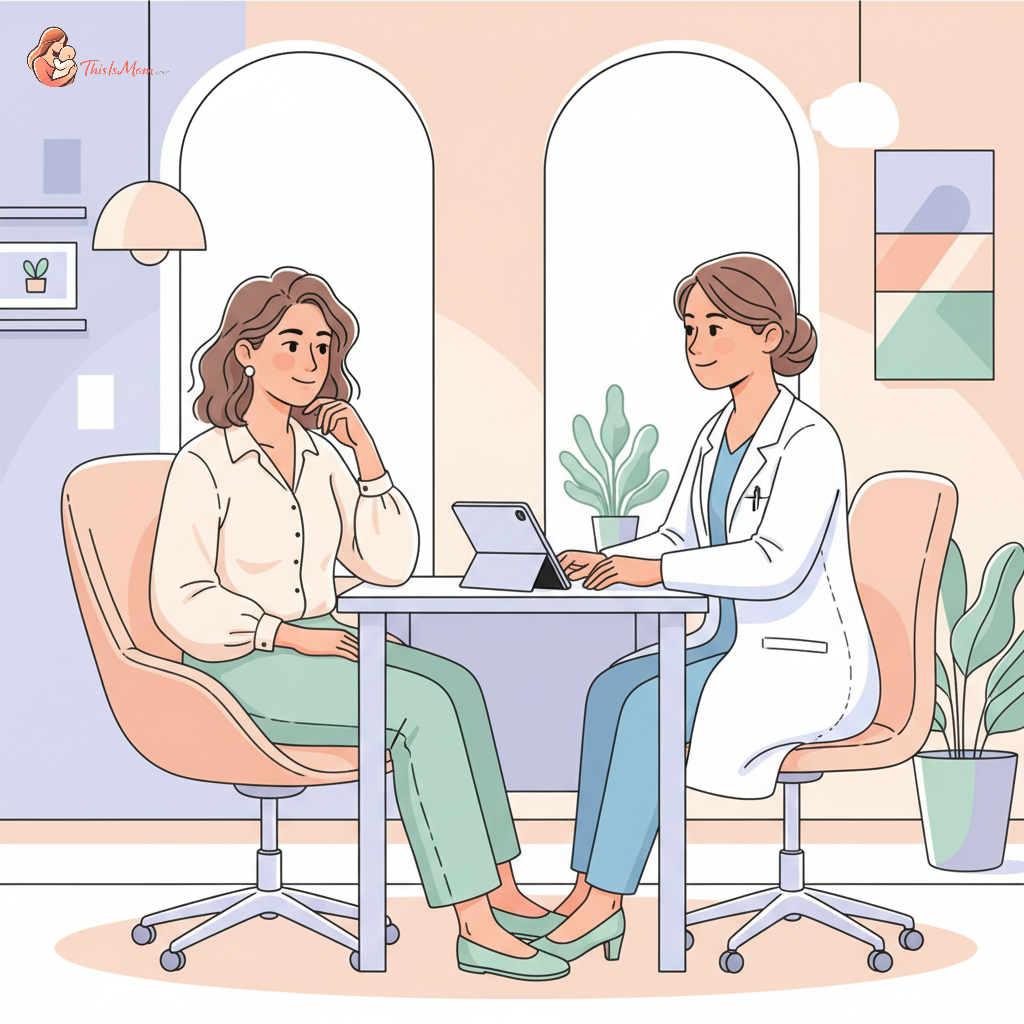
Empowering Your Postpartum Journey: Essential PPD Screening Questions for Your OB
It's completely normal to wonder about what to expect during your postpartum checkup, especially regarding your mental well-being. As a mom who has sat with countless friends navigating the intense period after birth, I’ve seen firsthand how much physical recovery gets the spotlight, while the emotional landscape can easily be overlooked. But your mental wellness matters just as much, if not more, than your physical healing. This is why discussing postpartum depression screening questions with your OB is so vital – it's your roadmap to ensuring your emotional health is a priority.
Beyond the Stitches: Your Postpartum Checkup and Mental Wellness
Your postpartum checkup is a crucial time to assess not just how your body is healing from birth, but also how your mind is adjusting. The transition into parenthood is profound, bringing immense joy alongside significant challenges. It's a period of massive hormonal shifts, sleep deprivation, and a complete redefinition of your life. Recognizing and addressing potential postpartum depression (PPD) is an essential part of this holistic recovery.
What to Expect from a Standard PPD Screening
Most OB/GYNs and midwives will incorporate some form of postpartum mental health screening into your appointments, often around the 6-week mark. This usually involves a brief questionnaire, like the Edinburgh Postnatal Depression Scale (EPDS). These questions are designed to identify common symptoms of depression and anxiety. It’s not a diagnostic test, but rather a tool to help your provider understand if further discussion or support might be beneficial for you. Think of it as a helpful starting point.
Your Voice in the Exam Room: Key Questions About PPD Screening
Preparing for your appointment can make a world of difference. Knowing what you want to ask empowers you to have a more productive conversation.
Preparing for Your Appointment
Before you even walk into the clinic, take a moment to reflect. How have you been feeling, truly? Jotting down any concerns, even if they seem small, can be incredibly helpful. You might even consider discussing these feelings with a partner, close friend, or family member beforehand.
Asking About the Screening Process During Your Appointment
When you’re in the exam room, don’t hesitate to ask about the screening. This is your time to gather information.
Here are some key PPD screening questions to ask your OB:
- "Could you explain the postpartum mental health screening you use?"
- "What are you looking for in the screening questions?"
- "What happens if my answers suggest I might be experiencing PPD?"
- "At what points in my postpartum care will we discuss mental health?"
- "Are there specific PPD screening questions for a postpartum checkup that are particularly important?"
Understanding Your Results and Next Steps
Your provider will review your responses with you. It's okay if you feel a little nervous, but remember, this is a collaborative process. If the screening indicates a higher risk or you express concerns, your provider will discuss potential next steps. This might involve a more in-depth conversation, a referral to a mental health professional, or a plan for follow-up. For those experiencing difficulties, understanding the signs you need a different PCP for postpartum mental health can be a critical step in finding the right support.
Exploring Your Options: PPD Treatment and Support
If your screening or your own feelings suggest you might be struggling, it’s vital to know that there are many avenues for support and treatment. Your OB/GYN is a great starting point for understanding these options.
Therapy and Counseling Referrals
Many OB/GYN offices have established referral networks for mental health services. Don't be afraid to ask for this.
You might ask your provider:
- "Can you recommend a therapist or counselor who specializes in perinatal mental health?"
- "What should I look for in a therapist for postpartum concerns?"
- "Are there local clinics or programs that offer support for new mothers?"
Discover your baby's phase
Medication Considerations
For some, medication can be a helpful tool. If this is something you're considering, it’s important to have an an open discussion with your OB/GYN.
Key questions to ask your OB about PPD medication include:
- "If medication is recommended, what are the options for antidepressants while breastfeeding?"
- "What are the potential side effects for me and for the baby?"
- "How long would I likely need to take this medication?"
- "What is the process for monitoring the effectiveness and safety of any prescribed medication?"
Local Support Groups and Resources
Sometimes, connecting with other new mothers who are going through similar experiences can be incredibly powerful. Ask your provider about local support groups or community resources. These can offer a sense of community and shared understanding.
Navigating the Conversation with Confidence
Talking about your mental health can feel vulnerable. Here are a few tips to make the conversation with your doctor as comfortable and productive as possible.
Honesty is Your Superpower
The most important thing you can do is be honest about how you are feeling, even if it’s difficult to articulate. Your OB/GYN is there to support you, and they can only do that effectively if they have accurate information. It’s okay to say, “I’m not sure how to put this, but I’ve been feeling….”
Bring Your Village Along
If you feel more comfortable, consider bringing your partner, a trusted friend, or a family member with you to your appointment. They can offer emotional support and even help you remember questions or details.
Knowing When to Follow Up
Your postpartum care doesn't end at the 6-week checkup. If your symptoms change, worsen, or if you have ongoing concerns, don't hesitate to schedule a follow-up appointment or call your provider’s office. If you’re seeking PPD treatment options your OB/GYN can offer, and aren’t satisfied with the initial discussion, asking for a referral to a specialist or even seeking a second opinion is always an option. Remember, your well-being is paramount.
Nurturing Your Well-being Beyond the Clinic
Your postpartum mental health is an ongoing journey, not a destination. The conversations with your doctor are a crucial part of it, but so is your continuous self-care.
Regular Self-Check-ins
Make a habit of checking in with yourself daily. How are you feeling emotionally? Physically? Mentally? Acknowledging your feelings without judgment is a powerful act of self-compassion.
Building Your Support Network
Lean into your “village.” Connect with friends, family, or other new parents. Sharing your experiences and allowing yourself to be supported can make a significant difference. Remember, it truly takes a community to raise a child and support a parent. There are also programs like free at-home nurse visits for new parents that can provide invaluable support and guidance during this tender time.
When to Seek Immediate Help
While this article focuses on screening and conversations with your provider, it’s crucial to know when immediate help is needed. If you have thoughts of harming yourself or your baby, please reach out immediately. You can go to your nearest emergency room or call 911. The National Suicide Prevention Lifeline is also available 24/7 by calling or texting 988. These resources are there for you, no matter the time or day.