Free At-Home Nurse Visits for New Parents: Your Essential Guide
Discover how free at-home nurse visits can support new parents with newborn care, postpartum recovery, feeding guidance, and peace of mind.
Free At-Home Nurse Visits for New Parents: Your Essential Guide
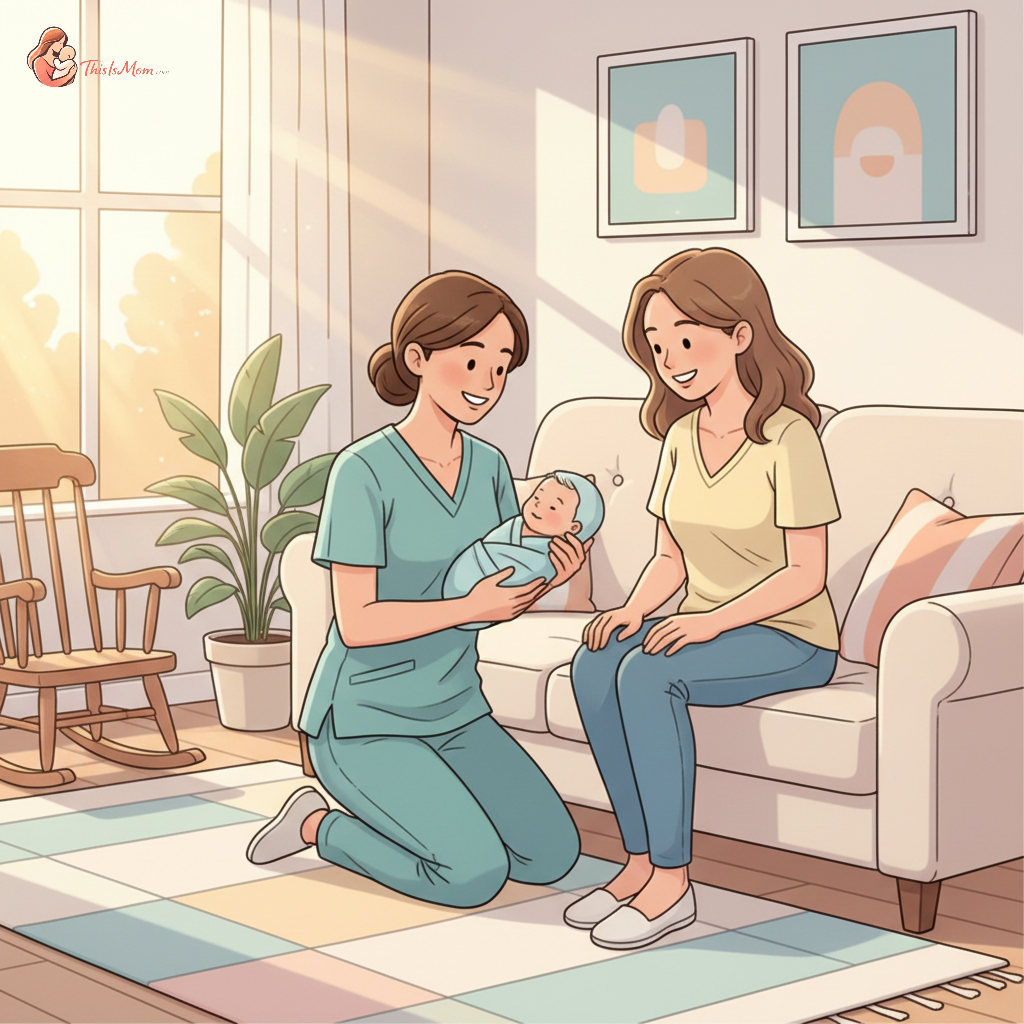
Your baby is here, and you're likely navigating a whirlwind of emotions and round-the-clock demands. Amidst this beautiful chaos, you might be wondering about the support available beyond the hospital walls. One valuable resource that often flies under the radar is the availability of free at-home nurse visits for new parents. These programs are designed to provide crucial support and education right where you’re most comfortable: your own home.
While hospital stays offer an initial period of care, the transition home can bring new questions and challenges. Having a trained nurse visit your home after birth can be incredibly reassuring, offering guidance that goes far beyond a typical check-up. These visits are a safety net, designed to boost parental confidence and ensure both mom and baby are thriving.
Understanding the Support Available at Home
What exactly do these programs entail? At their core, nurse home visits after birth are about comprehensive support for the entire family during the critical postpartum period. They acknowledge that motherhood is a significant adjustment, and that new parents need education and reassurance.
The support extends beyond just observing a baby's weight or checking vital signs. It delves into the daily realities of infant care, maternal recovery, and the emotional well-being of the family unit. Think of it as bringing a trusted, knowledgeable professional into your home to help you navigate the early days with greater confidence.
Who Qualifies for These Programs?
Eligibility for free at-home nurse visits for new parents can vary depending on the specific program and your location. Many programs are designed to be universally accessible or targeted towards families who might benefit most from additional support.
Generally, these programs are open to anyone who has recently given birth. Some initiatives may prioritize first-time mothers, families in specific geographic areas, or those identified as experiencing certain risk factors. However, the trend is towards broader access, aiming to support a wide range of new families.
The Difference Home Nurse Visits Can Make
The benefits of having a nurse come to your home after welcoming a new baby are numerous and impactful. These visits are a proactive approach to maternal and infant health, contributing to a smoother transition into parenthood.
Postpartum Care and Recovery for Mom
For mothers, the postpartum period is a significant time of physical and emotional healing. The 5-5-5 rule is a helpful, though not rigidly defined, framework that some healthcare providers use to gauge postpartum recovery. It suggests that mothers should be aware of:
- 5 days: Keep your doctor’s appointments for postpartum check-ups.
- 5 weeks: Monitor your emotional well-being and any physical symptoms. Learn about what postpartum anxiety feels like and how to advocate for mental health at your 6-week postpartum checkup.
- 5 months: Continue to prioritize your health and recovery. Look into pelvic floor therapy exercises and safe diastasis recti stretches.
While not a formal clinical guideline, this rule emphasizes the extended nature of postpartum recovery. A home nurse can help you understand what normal recovery looks like, identify red flags for postpartum depression or anxiety, and offer practical tips for self-care, ensuring you're not just tending to your baby but also to yourself.
Newborn Care Education and Support
Caring for a newborn involves a steep learning curve. From understanding diaper rash to swaddling techniques, there’s a lot to absorb. A home nurse can provide hands-on demonstrations and answer your specific questions about your baby's immediate needs.
This can include guidance on safe sleep practices, recognizing hunger cues, understanding crying patterns, and developing a routine. This direct, personalized education can significantly reduce parental anxiety and build essential caregiving skills. For feeding concerns specifically, explore signs your baby is ready for formula or find the best formula for gas and reflux.
Lactation and Feeding Guidance
Breastfeeding or formula feeding can present challenges. Issues like latch problems, sore nipples, engorgement, or concerns about milk supply are common. Postpartum nurse home visits often include specialized support for infant feeding, offering practical advice and troubleshooting.
This can be particularly beneficial in the early days when establishing a feeding rhythm is crucial for both baby's growth and mom's comfort. Having this expertise in your own environment can make a profound difference. If you're returning to work, consider manual breast pumps for letdown relief.
Identifying Potential Concerns
One of the most vital roles of a home nurse is to assess both maternal and infant well-being. They are trained to spot early signs of complications that might not be immediately apparent. This could range from subtle signs of infection in mom to early indicators of jaundice or feeding difficulties in the baby.
The nurse can help you understand when to call the pediatrician and when a symptom is a normal part of recovery or development. This early detection system can prevent minor issues from becoming more serious problems, providing peace of mind for new parents.
Finding Free Nurse Visits in Your Area
Accessing these invaluable at-home new parent support services is often more straightforward than you might think. There are several avenues to explore to find newborn home visiting programs that can benefit your family.
State-Specific and Nationwide Programs
Many states have robust programs designed to support new families. Organizations like Family Connects are developing standardized, community-based programs that offer universal access to nurse home visits for all families with newborns.
Discover your baby's phase
Healthy Families America is another nationwide program that provides evidence-based home visiting services to support parents and prevent child abuse and neglect. These programs often work in partnership with local healthcare providers and social services.
Checking with Your Hospital or Birthing Center
Your hospital or birthing center is often the first point of contact. Many facilities offer their own postpartum home visiting services or can direct you to local programs they partner with. Don’t hesitate to ask your nurses or social workers about available resources before you leave the hospital. You can also learn how to gently decline hospital visitors after birth to focus on recovery.
They can provide information on whether these services are automatically offered or if you need to sign up. This is a crucial step in securing postpartum nurse home visits.
Contacting Local Health Departments
Your county or city health department is another excellent resource. They often manage or have information about local initiatives that provide free or low-cost home visiting services for new parents. These departments are typically well-versed in the public health resources available in your community.
A quick call or visit to their website can reveal a wealth of opportunities for at-home new parent support.
What Can First-Time Moms Get for Free Beyond Nurse Visits?
Beyond specialized nurse visits, many communities offer a range of free postpartum support for moms and their families. This can include:
- Lactation consultant access: Many hospitals provide a limited number of free follow-up visits or phone consultations.
- Support groups: Local health departments or community centers often host free new parent or mom support groups, offering peer advice and emotional connection.
- WIC (Women, Infants, and Children) program: This federal program provides nutritional support and health education for low-income pregnant, breastfeeding, and non-breastfeeding postpartum women, and to infants and children up to age five who are found to be at nutritional risk.
- Parenting classes: Some organizations offer free or subsidized parenting education classes that cover infant care, development, and safety.
Exploring these options can create a comprehensive support network for your family’s first year. Consider meal prep ideas for postpartum depression support during this time.
What Happens During a Home Nurse Visit?
A typical visit from a nurse offers a structured yet flexible time to address your family's needs. The nurse usually comes within the first few weeks after you return home from the hospital, often within the first 72 hours for critical early support.
Typical Visit Rundown
The visit generally begins with a focus on the mother’s physical and emotional recovery. The nurse will inquire about your pain levels, any bleeding, signs of infection, and your overall mood. They’ll also discuss your birth experience and how you're adjusting. This can bring up concerns about C-section scar numbness or recovery from birth in general.
Next, the nurse turns attention to the baby. They’ll assess the baby’s weight, check for signs of jaundice, examine the umbilical cord stump, and ensure the baby is feeding well and having adequate wet and dirty diapers. This comprehensive check-up in a familiar setting is invaluable.
Asking Your Burning Questions
This is your opportunity to get answers to all those questions that crop up once you’re home. From baby’s sleep patterns to concerns about development, no question is too small. The nurse is there to provide evidence-based information and practical solutions.
Think about bringing a notebook or using your phone to jot down questions you have throughout the week, so you can make the most of the visit. If you're considering balancing remote work with a baby at home without childcare, these visits can be crucial.
Addressing the Hardest Month
Many parents find the period between 4 to 8 weeks postpartum to be particularly challenging. This is often when the initial newborn burst of energy has faded, sleep deprivation is at its peak, and the full reality of infant care sets in. Viruses can also start to spread more easily at this time.
A nurse can offer strategies for coping with increased fussiness, managing sleep deprivation, and navigating the emotional rollercoaster of this phase. They can validate your experiences and normalize common struggles, reminding you that you're not alone. This is also when you might be thinking about preparing an older sibling for a new baby.
Empowering Your Family's Journey with Support
Navigating the early days and months of parenthood is a profound journey. Having access to professional, evidence-based support through free at-home nurse visits can significantly empower you and your family.
Advocating for Your Needs
Understanding the availability of these programs is the first step in advocating for your family's well-being. These resources are often underutilized, and knowing they exist allows you to seek out the help and reassurance you deserve. Don’t hesitate to ask providers about them.
The Peace of Mind that Comes with Guidance
There’s immense value in the peace of mind that comes from knowing a trained professional is available to offer guidance and support. These visits build confidence, reinforce healthy practices, and provide an early layer of protection for both mother and child. They are a testament to the understanding that raising a child is a village effort, and that support can, and should, extend into your home.