Hard-Boiled Eggs for Baby-Led Weaning: Safe Prep & Serving
Learn how to safely prepare and serve hard-boiled eggs for baby-led weaning. Discover ideal textures, potential allergens, and creative ways to introduce eggs to your baby's diet.
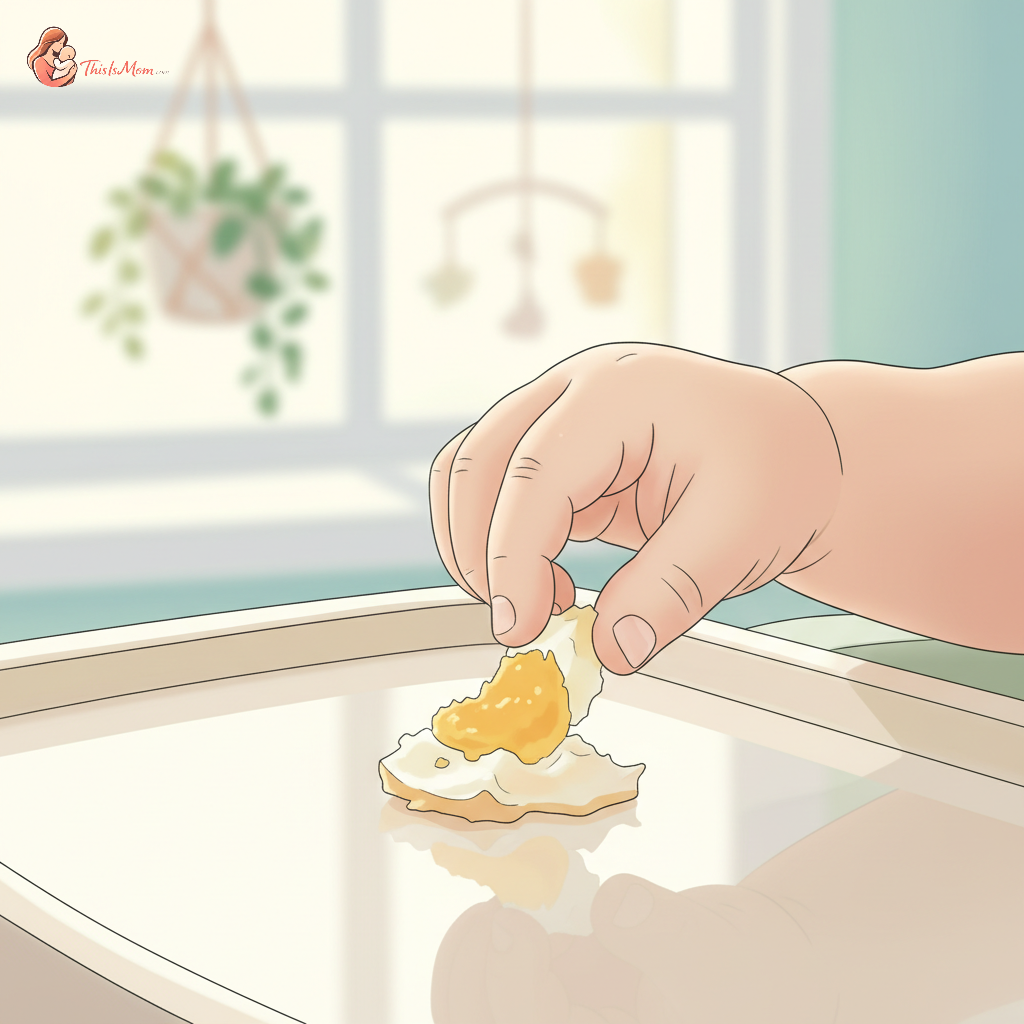
How to Prepare Hard-Boiled Eggs for Baby-Led Weaning Safely
Your baby is eyeing your breakfast. Should you share that hard-boiled egg? Offering your little one solid foods, especially nutrient-dense options like eggs, is an exciting milestone. When it comes to how to prepare hard-boiled eggs for baby-led weaning, precision matters. The goal is to provide essential nutrition while ensuring safety and independence.
Why Hard-Boiled Eggs Are a BLW Powerhouse
Hard-boiled eggs are frequently recommended by pediatric nutritionists for good reason. They offer a dense package of vital nutrients crucial for a baby's rapid development.
The guidelines from organizations like the American Academy of Pediatrics (AAP) highlight the importance of early introduction to a variety of foods. Eggs are a fantastic source of complete protein, which is essential for building and repairing tissues. They also contain iron and choline, both critical for brain development. Healthy fats found in eggs support cognitive function and energy needs.
Furthermore, eggs are a common allergen. Introducing them early, as recommended by the AAP, can actually help reduce the risk of developing an egg allergy later in life. The current consensus among allergy specialists and organizations like the National Institute of Allergy and Infectious Diseases (NIAID) is to introduce allergenic foods, including eggs, between 4-6 months of age, or when the baby is developmentally ready for solids.
Before You Dive In: Egg Safety for Little Ones
When introducing any new food, especially a common allergen, always be prepared. Understanding what to look for is key.
Signs of an egg allergy can vary. The most common reactions are skin-based, such as hives or eczema that appears around the mouth or on the body shortly after eating. Other potential signs include digestive upset like vomiting or diarrhea, or more rarely, respiratory symptoms like wheezing. If you observe any of these reactions after offering eggs, discontinue use and consult your pediatrician.
Beyond allergies, texture and size are critical for preventing choking hazards. Hard-boiled eggs, if not prepared correctly, can present a risk. The guidelines for safe food preparation for infants emphasize avoiding whole, hard, round foods. For any solid food, a general rule of thumb is to ensure it’s soft enough to be easily mashed with your fingers and cut into appropriately sized pieces. This is especially important for babies who are best first finger foods for baby with no teeth at 7 months or still developing their chewing skills.
Mastering the Hard-Boiled Egg: Step-by-Step for BLW Perfection
Cooking a hard-boiled egg that’s safe and palatable for a baby is straightforward. The focus is on the cooking method and resulting texture.
Here are a few reliable cooking methods:
- Stovetop: Place eggs in a saucepan and cover with cold water by about an inch. Bring to a rolling boil over medium-high heat. Once boiling, immediately remove the pan from the heat, cover it, and let it sit for 9-12 minutes. Then, plunge the eggs into an ice bath to stop the cooking and make them easy to peel.
- Instant Pot: Place eggs in the Instant Pot on a steaming rack or trivet. Add 1 cup of water to the bottom of the pot. Close and seal the lid, then set to 'Manual' or 'Pressure Cook' on high for 5 minutes. Perform a quick pressure release. Then, transfer eggs to an ice bath.
- Oven: Preheat your oven to 325°F (160°C). Place eggs in a muffin tin (this prevents them from rolling). Bake for 25-30 minutes. Then, transfer eggs to an ice bath.
Discover your baby's phase
The goal is a firm yolk and a fully cooked white, but not rubbery. Overcooking can make the egg tough and harder for a baby to manage. Aim for the 9-12 minute stovetop time as a good benchmark for optimal texture.
Serving Hard-Boiled Eggs for Baby-Led Weaning: Textures & Tips
How you present the hard-boiled egg makes all the difference for successful baby-led weaning. The aim is to offer it in forms that your baby can easily grasp and manage.
- Whole Hard-Boiled Egg: For babies around 6-8 months old who are still developing their grip, offering a whole, peeled hard-boiled egg is often ideal. They can hold onto the egg and gum at it. Some parents even leave a small piece of the shell on one end to act as a natural handle.
- Halved or Quartered Eggs: As your baby’s fine motor skills improve, you can cut the egg into larger halves or quarters. Cutting lengthwise is often easiest for baby to grab. This provides a larger surface area and a firm edge for them to hold.
- Mashed or Crumbled Eggs: For even smaller pieces, you can mash the hard-boiled egg with a fork or crumble it. This is where the question of "what can I mix with boiled egg for baby?" comes in. You can mix it with a tiny bit of breast milk, formula, or an unsweetened, plain yogurt to create a more cohesive texture. A small amount of avocado or unsweetened applesauce can also work. If your baby is suddenly toddler refusing previously loved textures, mixing eggs with other soft foods can help reintroduce variety.
- Egg White vs. Egg Yolk: Both are generally safe and beneficial. The yolk is rich in iron and choline; the white is a good source of protein. There's no requirement to separate them for infants unless advised by your pediatrician for specific reasons.
- Finger Food Ideas for Older Babies: Once babies are adept at self-feeding, you can offer finely diced hard-boiled egg, perhaps mixed into other finger foods like small pasta shapes or cut vegetables.
How Many Eggs? Serving Size Guidelines for Growing Babies
There's no single "right" answer for how many eggs a baby should eat, as it depends on many factors. The key is to introduce them gradually and observe your baby's cues.
For babies just starting solids, offering a small amount, perhaps a quarter or half of a hard-boiled egg, is a good starting point. This allows them to explore the taste and texture without overwhelming their digestive system or filling them up too quickly. As they get used to eggs and show interest, you can gradually increase the portion.
For a 1-year-old, who is typically eating more varied meals, offering 1-2 eggs a few times a week is common. It's important to remember that eggs are nutrient-dense, and balance is crucial. They should be part of a varied diet that includes fruits, vegetables, and other protein sources. Avoid the temptation to fill up tiny tummies with just one type of food.
Beyond the Basics: Creative Ways to Offer Eggs to Baby
Once your baby is comfortable with plain hard-boiled eggs, you can get creative. Incorporating eggs in different ways can enhance their nutritional profile and appeal.
For older babies and toddlers, think about simple additions to family meals. A hard-boiled egg, mashed and spread on whole-wheat toast, makes a quick breakfast. You can incorporate finely chopped hard-boiled eggs into homemade muffins or pancakes for added protein and nutrients. Even a simple egg salad sandwich (using plain yogurt or avocado instead of mayonnaise for younger babies) can be adapted. This could be a good option for easy toddler lunch ideas for daycare (no reheat/fridge).
When considering how to cook egg for baby first time, hard-boiling is often recommended due to its simplicity and the controllable texture. However, once your baby has successfully tolerated hard-boiled eggs, you might explore other preparations like scrambled eggs cooked until firm, or small omelet pieces. Always ensure these are cooked thoroughly and served in an age-appropriate texture.
Introducing your baby to the wonderful world of solid foods, including nutrient-rich hard-boiled eggs, is a journey. By focusing on safe preparation and presentation, you empower your little one to explore their independence and develop healthy eating habits from the start.