Safe Snacks for Toddlers with Peanut & Tree Nut Allergy US
Discover safe and delicious snack options for toddlers with peanut and tree nut allergies. This US guide covers label reading, naturally nut-free foods, trusted brands, and cross-contamination tips.
Safe Snack Options for Toddlers with Peanut & Tree Nut Allergies: Your US Guide
Your toddler has a peanut and tree nut allergy, and suddenly snack time feels like navigating a minefield. It's a common concern for US parents, and understanding safe snack options is paramount. This guide offers a practical, evidence-based approach to feeding your little one, focusing on readily available products and clear strategies for a nut-allergy friendly toddler diet.
Understanding Peanut and Tree Nut Allergies in Toddlers
For children with peanut and tree nut allergies, vigilance is key. The US Food and Drug Administration (FDA) mandates that major allergens, including peanuts and tree nuts, be clearly declared on food labels. However, the language can be nuanced, making thorough label reading a non-negotiable step for every parent.
Why Label Reading is Essential
The guidelines from organizations like the American Academy of Allergy, Asthma & Immunology (AAAAI) emphasize that strict avoidance is the primary strategy for managing food allergies. This means meticulously reviewing ingredient lists for every food product, every time. Look for clear declarations of peanuts and tree nuts.
Furthermore, pay close attention to "may contain" statements. These are voluntary but crucial warnings indicating potential cross-contamination during manufacturing. Research suggests these statements are important indicators of risk.
The Difference Between 'Peanut-Free' and 'Nut-Free' Facilities
It's vital to understand that "peanut-free" does not always mean "tree nut-free," and vice versa. A facility may be peanut-free but still process tree nuts. Always inquire specifically about both allergens when assessing a food's safety, especially for products labeled with facility-specific claims.
When to Talk to Your Allergist
Your allergist is your most important partner in managing your child's food allergy. They can provide personalized advice on safe foods, emergency protocols, and help you understand the specific risks associated with your child's allergy. Regular follow-ups are essential to monitor their condition and adjust management strategies as needed.
Your Go-To Guide for Naturally Nut-Free Snacks
Many delicious and nutritious snacks are naturally free from peanuts and tree nuts, providing a great starting point for your toddler’s snack rotation. Focusing on these whole foods can significantly reduce the complexity of meal planning.
Fresh Fruits and Vegetables
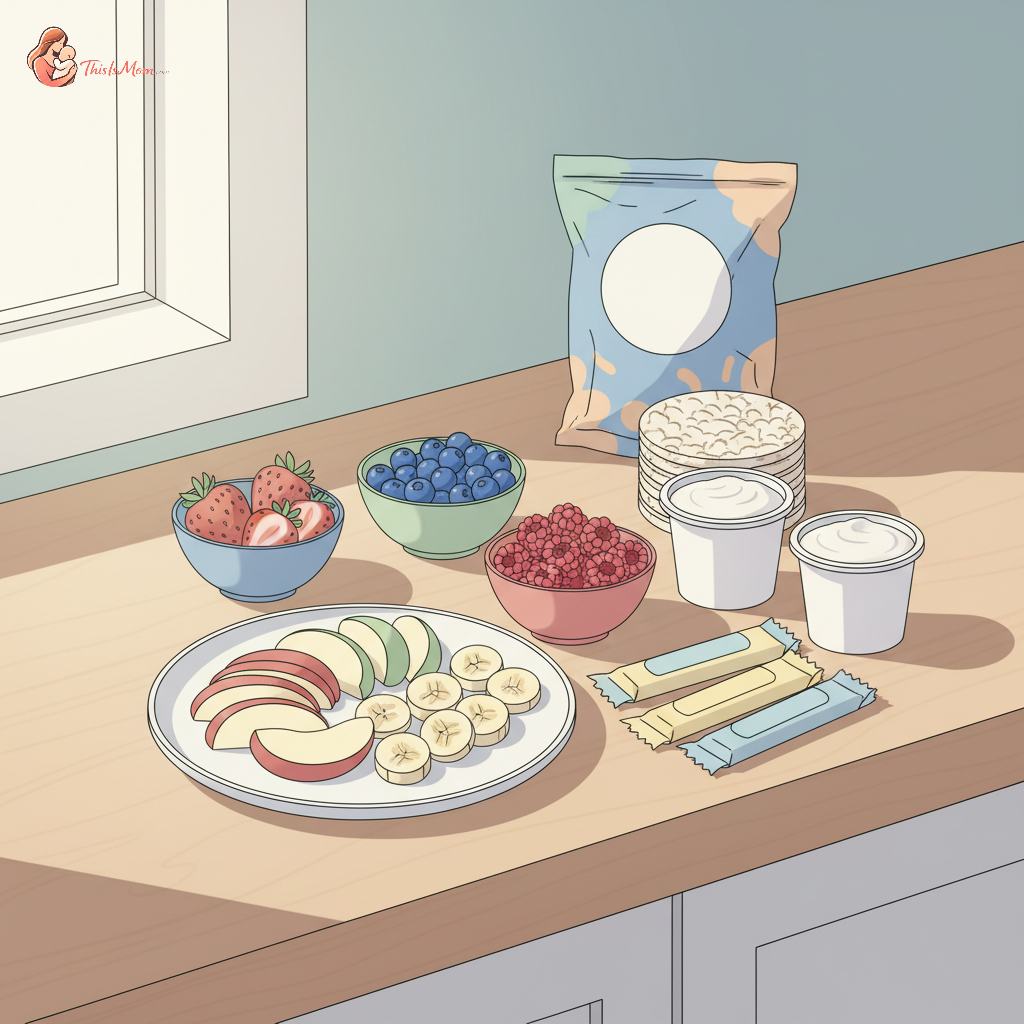
Whole, unprocessed fruits and vegetables are excellent, nutrient-dense snack options. Think apple slices (thinly sliced for toddlers), banana chunks, berries (halved or quartered for choking prevention), pear slices, carrot sticks (steamed until tender for younger toddlers), cucumber spears, and sweet potato wedges.
Always prepare these foods with safety in mind. Ensure that fruits and vegetables are cut into age-appropriate, bite-sized pieces to prevent choking hazards, a significant concern for toddlers. The American Academy of Pediatrics (AAP) provides extensive guidance on safe food preparation for young children. This is where finding balanced toddler snacks becomes even more critical when allergies are a factor.
Dairy and Dairy Alternatives
Plain yogurt (full-fat is recommended for toddlers), cheese sticks, and cottage cheese can be safe and beneficial snacks. If you opt for dairy alternatives like soy, oat, or coconut-based products, always check the packaging for explicit "peanut-free" or "nut-free" certifications and "may contain" warnings. Many brands now offer dedicated allergen-friendly lines.
Whole Grains and Legumes
Simple whole grains offer energy and fiber. Rice cakes, plain popcorn (for older toddlers, supervised), and certain types of bread or pasta (check labels for nut flours or cross-contamination) can be suitable.
Legumes, like chickpeas, are also fantastic sources of protein and fiber. Roasted chickpeas (ensure they are soft enough for your toddler) or chickpea puffs designed for toddlers can be excellent and naturally nut-free snacks. Again, label scrutiny is paramount. These can be great examples of safe baby-led weaning snacks if prepared correctly.
Brand-Specific US Snacks: Verified Nut-Free Options for Toddlers
For busy parents, identifying trusted brands that prioritize allergen safety is a game-changer. Several companies in the US are dedicated to producing allergy-safe snacks for children.
Certified Allergen-Friendly Brands to Look For
Discover your baby's phase
Many brands now offer products that are certified peanut-free and tree nut-free by independent organizations. These certifications offer an extra layer of assurance. Look for labels that clearly state "Certified Peanut-Free" or "Free From Top 8 Allergens" (which includes peanuts and tree nuts). Some brands even have dedicated "nut-free" facility certifications.
Toddler-Friendly Crackers, Bars, and Puffs
When selecting packaged snacks, several brands are known for their commitment to allergen safety. For instance, brands specializing in allergen-free baked goods often offer:
- Crackers: Many brands make rice-based or seed-based crackers that are specifically formulated without nuts.
- Bars: Look for fruit-and-grain bars or granola bars explicitly labeled nut-free. Some brands produce bars made in dedicated nut-free facilities. Always check the ingredients and facility statements.
- Puffs: Sweet potato puffs, fruit-flavored puffs, or veggie puffs made from corn, rice, or peas are often good choices. Brands like Enjoy Life (which offers a wide range of allergy-friendly products) and MadeGood (known for granola bars and snacks made in a dedicated facility free from the top 8 allergens) are popular among parents. Screamin' Greens also offers nutrient-dense, allergen-friendly options. These options are great for best on-the-go toddler snacks for travel.
Lunchbox-Ready Options for Daycare and Preschool
Packing a safe lunchbox for daycare or preschool is crucial. Many of the brands mentioned above offer individually packaged snacks that are perfect for on-the-go or for school. Think single-serving pouches of fruit, nut-free crackers, or mini muffins made in a safe environment. Always confirm the daycare's allergy policy regarding shared snacks and food preparation. You might also be interested in best non-toxic playmats for babies with allergies if you are concerned about surfaces as well.
Navigating Cross-Contamination Risks at Home and Out
Managing peanut and tree nut allergies extends beyond just choosing the right snacks; it involves creating a safe environment at home and being prepared when you are out and about.
Kitchen Safety Tips for Allergy Families
- Designated Utensils: Consider having separate cutting boards and utensils for allergy-safe food preparation if possible.
- Thorough Cleaning: Wash all surfaces, utensils, and hands thoroughly with soap and water after handling allergens. Dishwashers are generally effective at removing allergens, according to allergy advocacy groups.
- Food Storage: Store nut-containing foods separately from allergy-safe foods.
Eating Out and Managing Playdates Safely
When eating at restaurants, always inform your server about your child's allergies. Ask detailed questions about ingredients and food preparation. The CDC offers guidance on how to communicate food allergy needs in various settings.
For playdates, it's often easiest to send safe, pre-packaged snacks from home for your child. Communicate clearly with the host parent about your child's specific allergies and the importance of avoiding cross-contamination.
Educating Caregivers and Family Members
Ensure that anyone who cares for your child – grandparents, babysitters, or teachers – understands the severity of the allergy and knows your emergency action plan. Provide them with clear instructions on what foods are safe and what to do in case of an allergic reaction.
Building a Safe & Varied Diet for Your Allergic Toddler
Living with a food allergy doesn't mean your toddler's diet has to be boring or nutritionally deficient. With careful planning, you can ensure they receive all the necessary nutrients.
Ensuring Nutritional Balance
Peanuts and tree nuts are sources of protein and healthy fats. When eliminating them, it's important to replace these nutrients with other safe foods. Good alternatives include lean meats, poultry, fish, eggs, dairy products, seeds (like sunflower or pumpkin seeds, if safe and age-appropriate), and legumes. Always consult with your pediatrician or a registered dietitian to ensure your child is meeting all their nutritional needs. This is particularly important for toddlers, where iron-rich snacks can be crucial for development.
Introducing New Safe Foods with Confidence
When introducing any new snack or food, always read the label thoroughly, even if it's from a brand you trust or is a category of food that has been safe before. The FDA's FALCPA (Food Allergen Labeling and Consumer Protection Act) requires clear labeling, but formulations can change.
Empowering Your Child to Understand Their Allergy
As your child grows, it's important to empower them with age-appropriate knowledge about their allergy. Teach them to recognize safe foods, understand why they can't eat certain things, and to always ask a trusted adult before trying new foods. This builds confidence and self-advocacy.