Safe Swaddle Alternatives for Babies Who Roll Over Early
Is your baby rolling early? Discover safe swaddle alternatives like sleep sacks and transition products to ensure continued safe sleep and comfort.
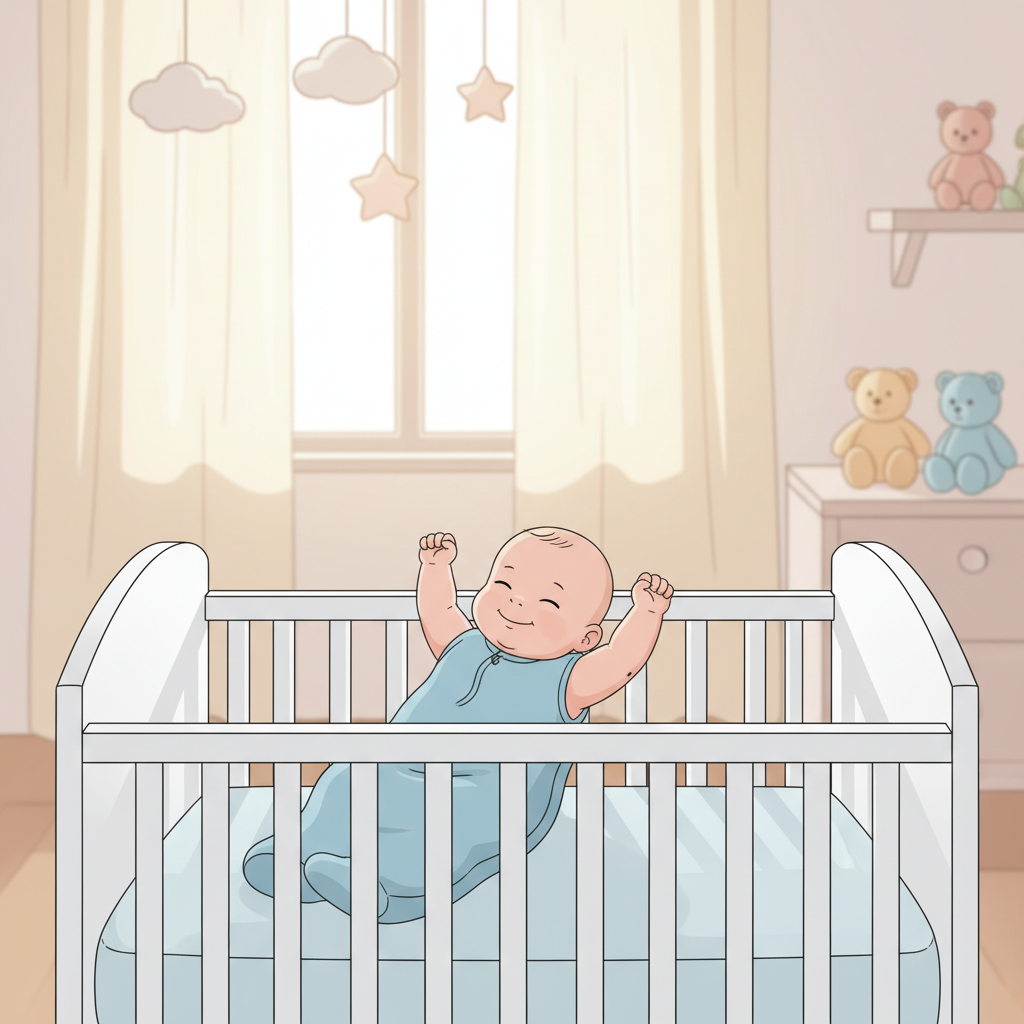
Safe Swaddle Alternatives for Babies Who Roll Early
Your baby is starting to show signs of rolling over, but still relies on the swaddle for comfort and sleep. This is a common parenting dilemma, and understanding safe swaddle alternatives for babies who roll over early is crucial for their continued safe sleep. We'll delve into expert recommendations and practical solutions.
Why Swaddling Becomes Unsafe When Baby Rolls
Swaddling helps soothe newborns by recreating the snug feeling of the womb and reducing the startle reflex. However, the American Academy of Pediatrics (AAP) provides clear guidelines on when swaddling transitions from beneficial to potentially hazardous.
The AAP Stance: Preventing Suffocation
The core AAP recommendation is that swaddling should cease once a baby shows any sign of attempting to roll over. This primarily prevents the risk of suffocation. If a baby rolls from their back to their stomach while swaddled, they may not have the ability to move their head to breathe freely or to push themselves up. The swaddle can obstruct their airway, creating a dangerous situation. It is important to transition away from swaddling even if your baby is young, and you can learn more about when does aap recommend starting educational tv for toddlers to ensure you're following age-appropriate guidelines in all aspects of infant care.
The Startle Reflex vs. Freedom of Movement
Newborns have an involuntary Moro reflex (startle reflex) that can cause arms to flail, waking them up. Swaddling effectively contains these arm movements, helping many babies sleep more soundly. However, as babies develop, they gain control over their movements, including the ability to roll. Once they can roll, a swaddle restricts their ability to right themselves or move to a safer position if they end up on their stomach.
When to Stop Swaddling: Recognizing Early Signs of Rolling
Many parents notice their baby beginning to roll earlier than expected, sometimes as early as 2-3 months old. It's important to be vigilant and understand what these early signs look like.
More Than Just the 'Newborn Curl'
It’s easy to mistake a baby’s natural flexibility and the "newborn curl" posture for incipient rolling. However, true rolling involves a deliberate push or twist from the back to the stomach, or vice versa, demonstrating mastery over their body's mechanics.
Early Rolling: What to Watch For
Watch for specific behaviors: a baby who can push up on their arms while on their tummy (a sign of upper body strength) or who demonstrates a distinct twist in their torso while on their back. Even a brief, accidental roll from back to side, followed by a sustained effort to get further, is a signal. The AAP advises stopping swaddling immediately once you observe these behaviors.
Is Your Baby Ready to Ditch the Swaddle?
If your baby is gaining mobility and shows even the slightest inclination to roll, it’s time to transition away from the swaddle. Waiting until they are proficient rollers is too late. Prioritizing safety means being proactive the moment you see these developmental milestones.
Safe Swaddle Alternatives: Wearable Sleep Solutions That Work
The good news is that there are many excellent safe swaddle alternatives that can provide comfort and security without compromising safety for babies who are beginning to roll.
Sleep Sacks: The Gold Standard for Safe Sleep
The AAP strongly endorses sleep sacks, also known as wearable blankets. These are sleeveless bags worn over pajamas, keeping the baby warm without posing an entanglement risk. Sleep sacks allow for freedom of movement, which is essential for safety once a baby can roll. They come in various TOG ratings (thermal overall grade) to suit different room temperatures. For babies who are rolling, a sleep sack is the primary recommended alternative to a swaddle. Understanding how to establish a consistent routine across daycare and home can also be beneficial as you navigate sleep changes.
Transition Products: Addressing the Startle Reflex
Some babies struggle to adjust to sleeping without the restrictive feeling of a swaddle, especially if they still have a strong startle reflex. Several products are designed to ease this transition:
- Merlin's Magic Sleepsuit: This padded sleepsuit can help calm the startle reflex while still giving babies more freedom of movement than a traditional swaddle. The padding provides a gentle, comforting pressure. However, it’s important to note the AAP's specific age and weight recommendations for its use; it is not suitable for babies who can roll in it.
- Zipadee-Zip: This is a star-shaped wearable blanket with spread-out arms and legs. It offers a feeling of security and contained comfort without restricting movement to the point of being unsafe for rollers. It helps muffle the startle reflex while allowing babies enough freedom to adjust their position or roll safely. Many parents find this a great tool for the transition when a baby won't sleep without a swaddle but is rolling, and if issues persist, exploring gentle night weaning for a 9-month-old might be a next step for sleep improvement.
Discover your baby's phase
The 'Arms Up' Option: When Babies Need Access to Their Hands
Some babies dislike having their arms fully confined. For these babies, even during the swaddling phase, one arm might have been left out. Transitioning to a sleep sack or a transition product that allows for arms to be down, up, or wherever they feel comfortable can be a good step. This offers a sense of security while ensuring they can move freely.
Tips for a Smooth Swaddle Transition for Early Rollers
Transitioning a baby out of a swaddle, especially when they are rolling early, can be challenging. A thoughtful approach can make a significant difference.
Cold Turkey vs. Gradual Approach: What Works?
There isn't a single method that works for every baby. Some babies transition easily with a cold turkey approach, meaning you simply stop swaddling one night and use a sleep sack or transition product instead. Others require a more gradual phasing out. This might involve:
- One Arm Out: Start by unzipping one arm of the swaddle. Once adjusted, try unzipping the other arm.
- The Swaddle Sack: Some hybrid products allow you to unwrap the swaddle from around the arms while still securing the torso.
- Night & Day: Practicing naps in a sleep sack during the day can help your baby get used to it before nighttime sleep. This is particularly helpful if your baby struggles with naps, as discussed in guides on baby naps 30 minutes in crib at 6 months.
When a baby won’t sleep without the swaddle but rolls, patience is key. Experiment with different methods to see what your baby responds to best.
Creating an Optimal Sleep Environment
A conducive sleep environment is crucial for any baby, especially during a transition.
- Darkness: Ensure the room is as dark as possible. Blackout curtains can be very helpful.
- Temperature: Keep the room cool, ideally between 68-72°F (20-22°C). Overheating can disrupt sleep.
- White Noise: A consistent white noise machine can block out household sounds and create a calming atmosphere, mimicking womb sounds.
- Routine: A consistent bedtime routine signals to your baby that it's time to wind down and sleep. This might include a bath, a quiet feeding, and a song. If your baby is having trouble settling even with these measures, you might consider resources for when a baby won't sleep in bassinet at night.
Troubleshooting: When Baby Won't Sleep Without the Swaddle
If your baby is struggling significantly, try to identify the root of the issue. Are they genuinely missing the swaddle's security, or is something else contributing to fussiness (e.g., teething, hunger, room too bright)?
- Comfort Items: Ensure their sleep sack is comfortable and fits well.
- Calming Techniques: Spend extra time soothing your baby before putting them down. Gentle rocking, patting, or singing can help.
- Transitional Products: If a simple sleep sack isn't working, consider a product like the Zipadee-Zip or the Merlin's Magic Sleepsuit, as mentioned earlier, to bridge the gap. Remember to always check product guidelines for safe use based on your baby's age and developmental stage.
Beyond the Swaddle: Maintaining Safe Sleep Practices
Moving away from the swaddle is an opportunity to reinforce all safe sleep guidelines.
Back to Sleep, Every Time
The AAP consistently emphasizes placing babies on their back for every sleep, including naps, until they can consistently roll from back to stomach and stomach to back on their own. Once they can roll both ways, you do not need to reposition them back onto their back if they roll over during sleep, but you should always start them on their back.
Clear Crib, Happy Baby
Ensure the crib or bassinet is a safe sleep space. This means a firm mattress, a fitted sheet, and nothing else. No blankets, no pillows, no bumpers, and no stuffed animals. These items pose suffocation risks.
When to Call the Pediatrician
While these guidelines provide a framework, every baby is unique. If you are concerned about your baby's development, their sleep patterns, or if they seem unwell with a fever or other symptoms, always reach out to your pediatrician. They can offer personalized advice and ensure your baby is healthy and meeting developmental milestones safely.