Safe Way to Introduce Peanut Butter to Baby with Eczema
Learn how to safely introduce peanut butter to your baby with eczema. Follow our step-by-step guide based on AAP recommendations to prevent peanut allergies.
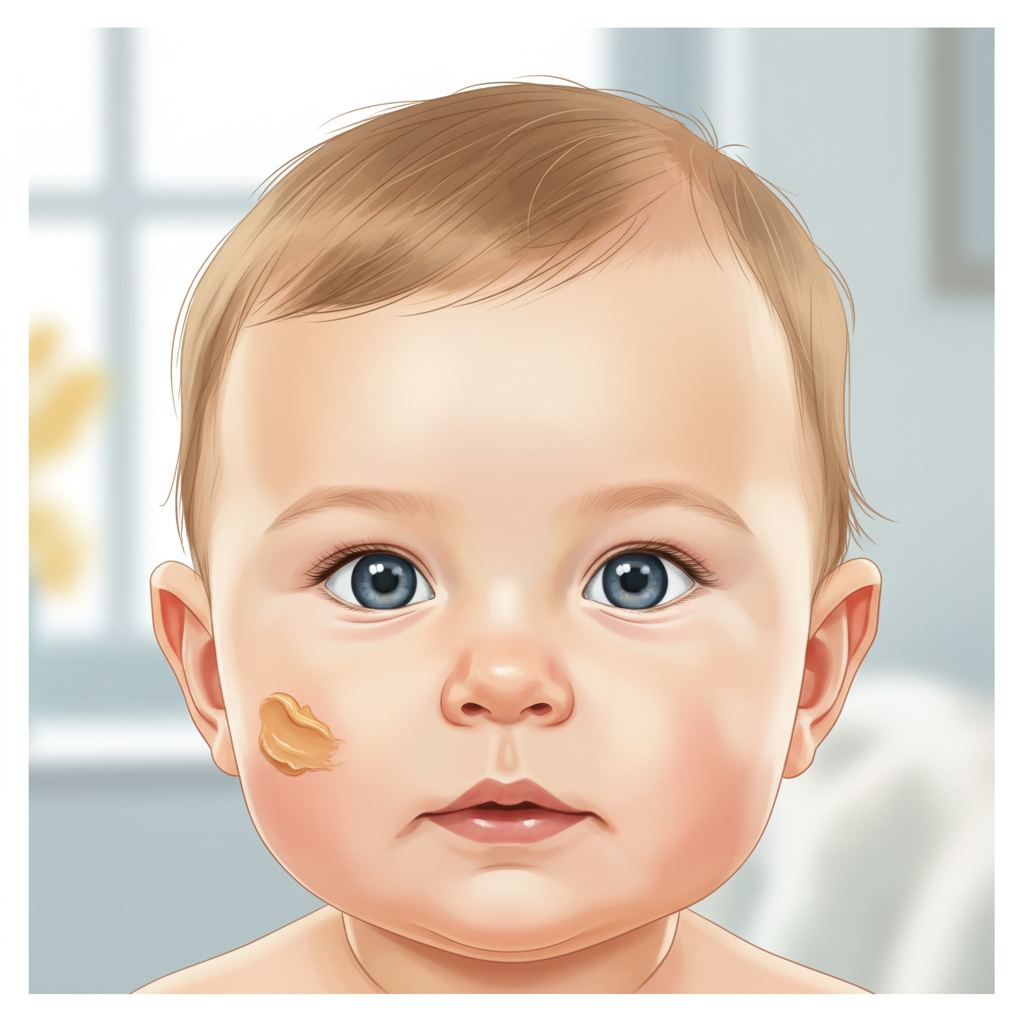
My Baby Has Eczema — How to Safely Introduce Peanut Butter
Your baby has eczema, and you've heard whispers about introducing allergenic foods early. Specifically, you're wondering about peanut butter: is there a safe way to introduce peanut butter to baby with eczema? It can feel like a minefield, balancing skin sensitivities with allergy prevention. The good news is, guidelines have evolved, and there are clear steps you can take to introduce peanut butter safely, even with eczema.
The Latest Research: Eczema and Allergy Risk
For years, advice often leaned towards delaying common allergens like peanuts for infants, especially those at higher risk for allergies due to conditions like eczema. However, a significant shift in understanding has occurred. Evidence now suggests that early, regular exposure to peanut protein may actually help prevent the development of peanut allergies.
The National Institute of Allergy and Infectious Diseases (NIAID) has published guidelines based on landmark studies. These studies indicate that for infants at high risk of peanut allergy, often identified by the presence of severe eczema or egg allergy, introducing peanut products between 4 and 6 months of age might be beneficial. It’s crucial to note that "high risk" is a key qualifier here.
How Early Introduction Can Help Prevent Peanut Allergies
The prevailing theory behind early introduction is oral immunotherapy for infants. By exposing a baby's developing immune system to peanut protein early and consistently, it can learn to tolerate it, rather than seeing it as a threat. This contrasts with the older approach of avoidance, which some research suggests might inadvertently increase the risk of developing an allergy. The American Academy of Pediatrics (AAP) now supports this approach for many infants. The key is to do it under appropriate guidance and with careful observation. For more detailed information on this topic, consult how to safely introduce peanuts to babies with eczema.
When to Introduce Peanut Butter to Your Baby
So, when should you introduce peanut butter to baby with eczema? The general recommendation, per the AAP, is around 4-6 months of age for infants with eczema or those with other risk factors for peanut allergy. However, this is not a universal "start date."
Understanding Readiness and Your Pediatrician's Role
Before introducing any allergenic food, it's essential to assess your baby's readiness for solids. This typically includes your baby being able to:
- Hold their head up independently.
- Sit with support.
- Show interest in food and open their mouth when food is offered.
- Have lost the tongue-thrust reflex, which pushes food out of the mouth.
For babies with moderate to severe eczema, or those with other known food allergies (like egg allergy), the AAP recommends consulting with your pediatrician or an allergist before introducing peanut products. Your pediatrician can assess your baby's specific risk factors and advise on the safest timeline and method for introduction. They might even recommend specific allergy testing first.
Always Talk to Your Pediatrician First
This cannot be stressed enough: always talk to your pediatrician first when introducing allergenic foods, especially if your baby has eczema. They can provide personalized guidance based on your child's health history and current condition. They may also offer specific advice on how to proceed, especially if your baby's eczema is very active.
Preparing for the First Taste: Safety First
Introducing peanut butter requires careful preparation to minimize risks. It’s about making the experience as safe and monitored as possible.
Choosing the Right Peanut Product
The most critical safety tip is: never give whole peanuts or chunky peanut butter to babies. Whole peanuts pose a serious choking hazard. Additionally, smooth peanut butter in its pure, unadulterated form can be a choking risk if given by the spoonful.
The recommended forms of peanut protein for babies are:
- Smooth peanut butter thinned with water, breast milk, or formula.
- Peanut powder mixed into a puree or cereal.
- Commercial infant cereal or purees that contain peanut protein.
The goal is a smooth, easily swallowable texture. Avoid any peanut products with added sugar, salt, or other ingredients. If you are looking for other safe food introductions, consider safely introducing grapes and cherry tomatoes.
Allergy Watch: What to Have on Hand
While you're aiming for prevention, it's wise to be prepared for the possibility of a reaction, however small. Before you start, ensure you have:
- Your pediatrician's phone number readily available.
- Knowledge of the signs of an allergic reaction (discussed in more detail later).
- A plan for supervising your baby during and immediately after the introduction.
It’s often advised to introduce new allergenic foods during the daytime, rather than at night, so you can observe your baby for several hours and have access to medical help if needed.
Your Step-by-Step Guide to Introducing Peanut Butter Safely
Let's walk through the process. This is a measured, step-by-step approach designed for safety.
The First Tiny Taste: How Much Peanut Butter to Give Baby
Discover your baby's phase
The amount of peanut butter to give baby first time is very little. Start with a very small amount, about a quarter to a half teaspoon of smooth peanut butter that has been thoroughly thinned.
Mix the peanut butter well with a liquid your baby is already accustomed to – breast milk, formula, or even water. The consistency should be like a thin yogurt or a smooth puree. This makes it less risky for choking and allows for easier digestion.
Administer this small amount on a spoon, just like you would any other spoonful of baby food. Do not put it on a bottle nipple, as this can lead to too much being consumed too quickly and mask early signs of a reaction.
Observing for Reactions: What to Look For
This is the crucial phase: what to look for when introducing peanut butter to baby. Once you've given the first small taste, supervise your baby closely for the next 2-4 hours.
Look for any signs of an allergic reaction, which can range from mild to severe:
- Mild signs:
- Mild rash or hives that appear around the mouth or face.
- Slight fussiness or irritability.
- Severe signs:
- Widespread hives or rash anywhere on the body.
- Swelling of the lips, tongue, or face.
- Vomiting or diarrhea.
- Difficulty breathing, wheezing, or coughing.
- Lethargy or a sudden change in behavior.
The AAP states that reactions can occur within minutes to a few hours after ingestion.
When to Continue, When to Stop
If your baby shows no signs of reaction after the initial small taste and subsequent observation period, you can consider continuing with small amounts of peanut butter.
If you observe mild symptoms, such as a slight rash around the mouth, contact your pediatrician for advice. They may recommend stopping further introduction and may want to examine your baby.
If you observe any severe symptoms (difficulty breathing, significant swelling, widespread hives, vomiting, lethargy), call 911 or go to the nearest emergency room immediately. This could indicate anaphylaxis, a life-threatening allergic reaction.
What to Do if Your Baby Has a Reaction to Peanut Butter
If a reaction occurs, remain calm and follow established protocols.
Knowing the Signs of a Mild vs. Severe Allergic Reaction
As outlined above, distinguishing between mild and severe reactions is crucial for immediate action.
- Mild reactions are typically localized, like a small rash near the mouth.
- Severe reactions involve systemic symptoms affecting breathing, circulation, or causing significant swelling or widespread hives.
When to Call the Pediatrician or Seek Emergency Care
- Call your pediatrician for any mild reaction, or if you are unsure about the symptoms.
- Call 911 or go to the emergency room immediately for any signs of a severe reaction, such as trouble breathing, swelling of the throat or tongue, significant hives, vomiting, or fainting.
Your pediatrician will guide you on the next steps, which may include further testing or a referral to an allergist.
Maintaining Exposure: Continuing Peanut Introduction
If the initial introduction goes smoothly, the goal is to incorporate peanut butter regularly into your baby's diet to build tolerance.
How Often and How Much to Offer
Once introduced without issue, the general guidance from research and organizations like the AAP is to offer peanut protein regularly, at least 2-3 times per week. This consistent exposure is thought to be key in preventing allergy development. Start with the small quantities you used for introduction and gradually increase to about 1-2 teaspoons of thinned peanut butter or equivalent per feeding, as is appropriate for your baby's overall diet. If you're looking for more ideas for your baby's meals, check out these easy blender recipes for baby-led weaning smooth dips and sauces.
Creative Ways to Incorporate Peanut Butter into Baby's Diet
Beyond thinned peanut butter, there are many ways to integrate this protein into a baby's meals:
- Mix into purees: Stir a small amount into sweet potato, apple, or banana purees.
- Add to oatmeal or other infant cereals.
- Spread thinly on soft toast strips: Once your baby is ready for finger foods, this is a good option.
- Blend into smoothies: Use a tiny amount in a baby-friendly smoothie with fruit and yogurt.
- As a dip: Thinned peanut butter can be a dip for soft fruit or vegetable sticks.
Remember to always ensure the texture is safe for your baby and that no other new foods are introduced on the same day as peanut butter, to easily identify any potential reaction source.