7 Signs Your Toddler is Ready for Structured Daycare
Is your toddler ready for more structured daycare? Discover key social, emotional, and independence signs to help parents make the best decision for their child.
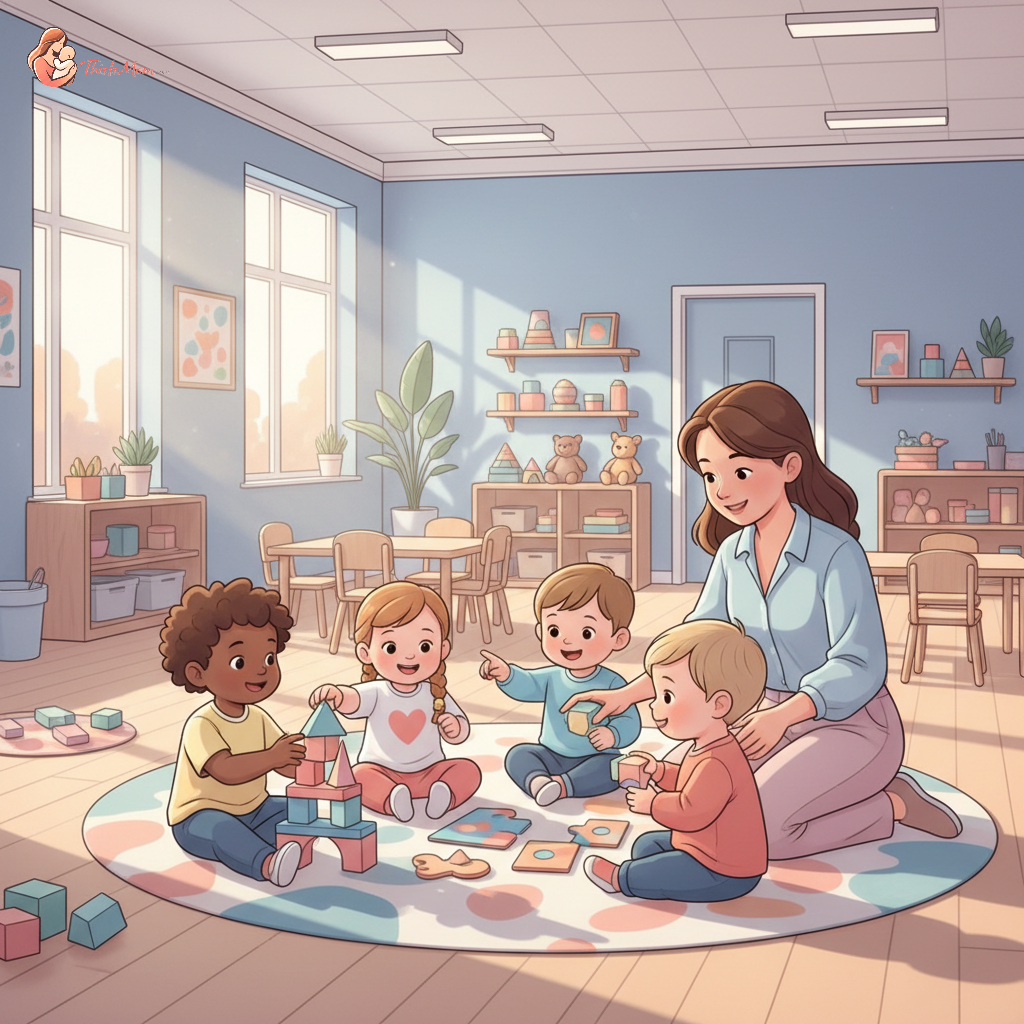
When Tiny Humans Bloom: Signs Your Toddler Is Ready for a Daycare with More Structure
With my first child, the idea of daycare felt like a lightbulb moment. As soon as she could technically walk and talk a bit, I figured it was time for "preschool readiness." I imagined structured alphabet lessons and tidy cubbies. By my fourth, now a whirlwind of energy at age four, I understood that "ready" is a much gentler, more nuanced unfolding. It’s less about hitting arbitrary milestones and and more about watching them change, bit by bit. Looking back, the biggest shift for me was realizing structure isn’t about control; it’s about nurturing growth. If I could tell my younger self one thing, it would be to observe your child with hawk-like patience before making big decisions. This article will help you tune into those quiet indicators that your unique toddler is blossoming and ready for a more structured daycare experience.
Beyond the Calendar: Why "Ready" Is a Child's Own Story
When we talk about "more structure" in toddler daycare, it’s easy to picture rigid schedules and drills. But for this age group, especially for toddlers around two years old or those showing clear toddler daycare readiness, structure means something far more beneficial. It’s about predictable routines that foster security. It's about clear expectations for behavior within a group, and opportunities to learn through guided play and age-appropriate activities. Do two-year-olds need structure? Absolutely. It’s the scaffolding that helps them build independence, learn social cues, and feel safe exploring the world beyond their immediate family. The truth nobody tells you is that your child’s readiness for group childcare often speaks volumes before you even start looking at programs. Discovering the best strategies to reduce daycare germs for toddlers at home can also prepare your family for the inevitable exposures.
Whispers of Connection: Social and Emotional Cues
One of the most telling signs will be how your child interacts with other little humans. Are they curious about other children, even if it’s just to watch from a safe distance? Do they show moments of delight when interacting with peers, sharing a toy (even if briefly!), or mimicking their play? This is a huge indicator of toddler daycare readiness. Observe them at the park: Do they gravitate towards others? Or do they prefer solitary play but still seem engaged by the presence of other kids?
Managing emotions is a monumental task for toddlers. If you're seeing them begin to navigate frustration with a little more resilience, or if they can be soothed by you after a minor disappointment, that’s a sign they’re developing the emotional regulation needed for a group setting. This doesn't mean they won't have meltdowns – oh, they will – but a developing ability to move past them is key. Are they starting to engage in more independent play, showing they can entertain themselves for short bursts? This self-sufficiency is a beautiful precursor to enjoying more structured group activities where they won't need constant one-on-one attention to feel secure.
Embracing the Rhythm: Routines and Little Victories
A toddler ready for a more structured daycare environment often starts showing a genuine interest in new activities. They might watch you intently as you do things, or mimic actions you've shown them. They’re curious, eager to explore and learn. This spark is what a good structured daycare can fan into a flame.
Basic self-help skills are also significant. Are they showing progress with potty training, even if it’s not fully mastered? Are they attempting to feed themselves with a spoon or fork, making a good effort even if it’s messy? These small acts of independence are crucial for daycare readiness. They show a developing sense of agency.
Discover your baby's phase
Following simple instructions is another big piece of the puzzle. Can your child follow directions like "Please bring me that book" or "Let's put your shoes on"? This ability to understand and respond to simple requests is fundamental for participating in classroom activities and adhering to routines in a group setting. It’s not about perfect obedience, but about a growing capacity to engage with external guidance.
A Gentle Pause: When More Structure Might Not Fit Yet
Sometimes, the signs point the other way. If your child consistently withdraws from peer interactions, shows extreme distress when you leave, or seems overwhelmed by even mild social situations, more structure might not be the optimal next step for them. Look for these potential red flags:
- Persistent fear or anxiety: They cling intensely, cry uncontrollably for extended periods, or show extreme aversion to the environment.
- Difficulty with transitions: They struggle immensely to switch from one activity to another, even at home. Consider practical ways to ease these changes, like a visual schedule for 3-year-old screen time to create predictability.
- Lack of engagement: They appear withdrawn, uninterested, and disconnected from both peers and caregivers in group settings.
There’s a helpful, though not absolute, guideline often discussed: the "7-7-7 Rule" for toddlers. It suggests that if a child is still experiencing significant distress after seven days (at a new school/care), seven weeks, or seven months, it might be worth reassessing the situation. This isn't about demanding immediate perfection, but about acknowledging prolonged struggle. What are red flags in a daycare from a parent's perspective? Look for a lack of warmth, high staff turnover, unclean facilities, or a program that feels too rigid or unengaging for the age group. Trust your gut. Parents might also find themselves needing to transition toddler from home daycare to center and should be prepared for adjustment periods.
Smoothing the Path: Preparing for the New Adventure
Once you've identified that your toddler might be ready, the transition itself can be made much smoother with deliberate steps. Visiting prospective daycares together is incredibly important. Let your child see the space, perhaps interact with a teacher, and get a feel for it without the pressure of starting. Can they observe a classroom in action? Seeing it firsthand can demystify it.
Practicing new routines at home can also make a world of difference. If the daycare has a specific nap schedule, try implementing something similar. Practice packing a lunchbox, even if it’s just pretend. Simulate some of the expected behaviors, like sitting for a short circle time. For babies, learning about baby sleep at daycare vs home and how to maintain consistency is key.
Most importantly, talk about daycare positively. Frame it as an exciting new adventure, a place to make friends and learn fun things. Avoid using daycare as a threat or a punishment. Your calm, optimistic outlook will rub off on them. Give yourself grace; this is a big step for everyone involved. This too shall pass, and with careful observation and gentle preparation, your child will likely thrive.