20+ Simple Toddler Recipes for Picky Eaters Refusing Veggies
Struggling with a picky toddler who won't eat green vegetables? Discover over 20 easy, hidden-veggie recipes and strategies to boost nutrition and encourage healthy eating.
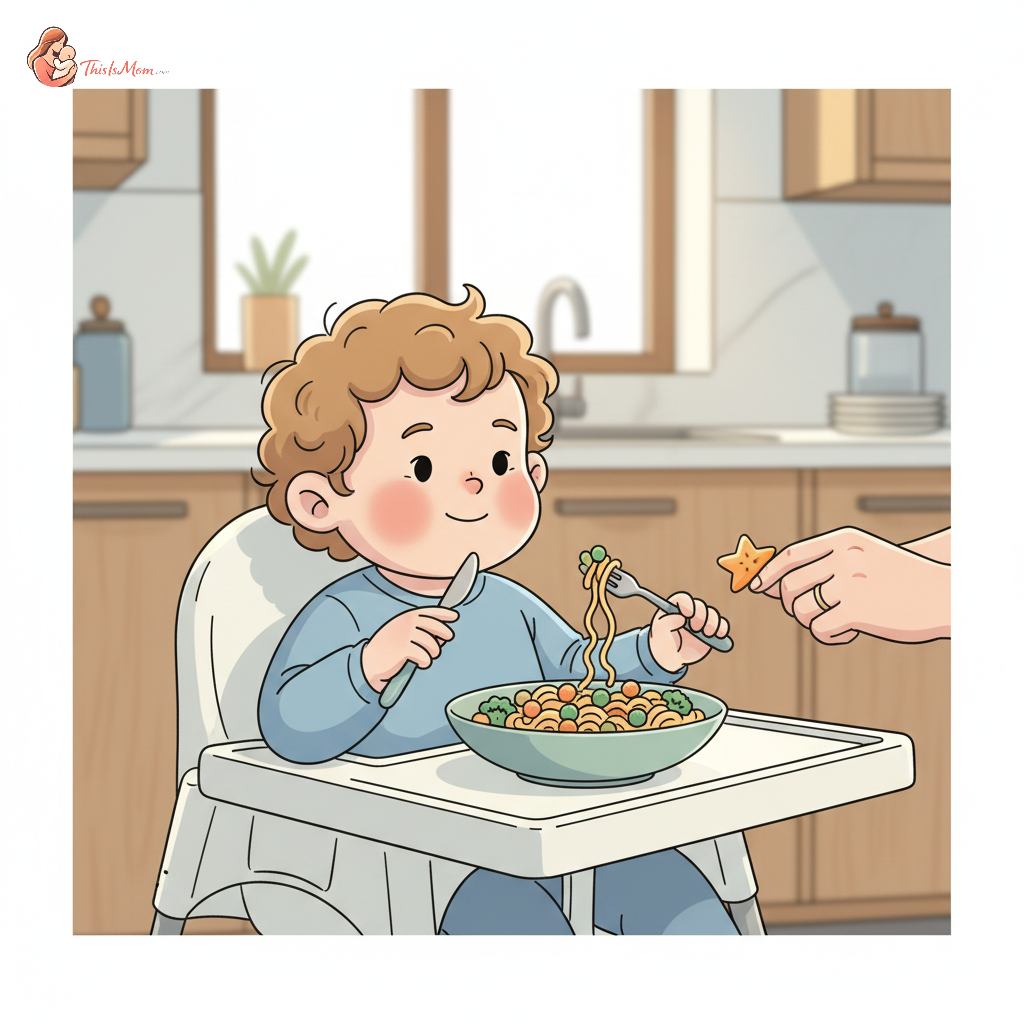
Simple Toddler Recipes for Picky Eaters Refusing Green Vegetables
Is your toddler turning their nose up at broccoli or hiding peas under their spoon? If you’re searching for simple toddler recipes for picky eaters refusing green vegetables, you’re certainly not alone. This phase, often called picky eating, is a common developmental stage for children and can feel like a constant battle at the dinner table, leaving many parents worried about nutrition.
Understanding the 'Picky Eater' Phase
Toddlers are asserting their independence, and food is a common area for them to explore this. The American Academy of Pediatrics (AAP) notes that picky eating is a normal part of development for many children, typically between the ages of 2 and 5. What might seem like defiance is often their way of exploring control and preferences.
Why Green Vegetables Are Often Challenging
Green vegetables, in particular, can be difficult. Their textures and sometimes bitter flavors can be off-putting to a developing palate. This aversion can be linked to an evolutionary instinct; in the past, bitter tastes could signal poisonous plants. While your toddler isn't in danger from a steamed green bean, that instinct can still be at play.
When to Talk to Your Pediatrician
While this phase is typical, there are times to seek professional advice. The AAP suggests consulting your pediatrician if your child:
- Is losing weight or not gaining weight appropriately.
- Has a very limited range of accepted foods (fewer than 20 items).
- Chokes, gags, or vomits frequently during meals.
- Appears unwell or lethargic.
- Is refusing entire food groups.
Your pediatrician can help rule out any underlying medical conditions and provide personalized guidance for your child's growth and development.
The Sneaky Strategy: Why Hiding Veggies Works (Sometimes)
Many parents turn to hidden vegetable recipes for picky eaters as a way to ensure their child gets essential nutrients. This approach can be a helpful tool in your mealtime arsenal.
The Goal: Exposure, Not Deception
The idea behind incorporating vegetables into familiar dishes is to provide exposure to nutrients without the immediate battle. Research suggests that repeated exposure, even in small amounts or blended forms, can gradually increase a child's acceptance of new flavors. The ultimate goal is to move beyond relying solely on hidden methods.
The Benefits of 'Hidden' Veggies
When toddlers refuse vegetables outright, it can be difficult to get them to consume adequate vitamins and minerals. Blending vegetables into sauces, baked goods, or smoothies can boost the nutritional content of meals they already enjoy, helping to fill potential gaps. These toddler veggie recipes can be a practical solution.
Balancing Stealth with Openness
While hidden vegetables can be effective, it’s also beneficial to maintain some level of openness with food. Continuing to offer vegetables in their whole form, even if they are repeatedly refused, provides ongoing opportunities for exposure. This dual approach—sneaky for nutrition, open for acceptance—can be the most effective strategy.
Simple Toddler Recipes for Picky Eaters Refusing Green Vegetables
Here are some ideas for meals with vegetables for picky eaters that can help boost nutrition without a fight. Remember, the key is often to blend them into familiar, well-loved formats.
Sauces and Dips: The Ultimate Hiding Spot
Many toddlers love pasta, chicken nuggets, or crackers. These can be vehicles for hidden vegetables.
- Tomato Sauce Boost: Simmer pureed carrots, zucchini, or cauliflower into your favorite marinara sauce. Cook until tender, then blend until smooth. The sweetness of the tomato often masks the veggie flavor.
- Creamy White Sauces: Pureed cauliflower or white beans blend seamlessly into cheese sauces for macaroni and cheese or a creamy pasta dish.
- Hummus with a Veggie Twist: Blend cooked sweet potato or roasted red peppers into your basic hummus recipe for a colorful and nutritious dip. Serve with whole-grain crackers or veggie sticks for toddlers (for more adventurous toddlers).
Baked Goods Blends: Sweet Treats with a Secret
It might surprise you how well vegetables can be incorporated into muffins, pancakes, and even cookies.
Discover your baby's phase
- Zucchini Chocolate Muffins: Grated zucchini, once baked, often disappears into the moist texture of a chocolate muffin. Squeeze out excess moisture before adding.
- Sweet Potato Pancakes: Mashed sweet potato adds moisture, a touch of sweetness, and a vibrant color to pancake batter.
- Carrot Cake Cookies: Finely grated carrots are a classic addition that adds texture and moisture. Perhaps try hard-boiled eggs for baby-led weaning as another bite-sized option.
Smoothie Power-Ups: Drink Your Greens
Smoothies are a fantastic way to pack in nutrients. Start with familiar fruits your toddler enjoys, and then add small amounts of greens.
- Berry Spinach Smoothie: Combine frozen berries, a banana, a splash of yogurt or milk, and a small handful of fresh spinach. The berries’ strong color and flavor can mask the spinach. Gradually increase the amount of spinach as your child gets used to it.
- Mango Kale Smoothie: Similar to the berry version, the sweetness and strong flavor of mango can hide small amounts of kale.
Creamy Creations: Soups and Purees
Soups can be a comforting and nutritious meal for toddlers.
- Butternut Squash Soup: This naturally sweet soup is a hit with many children. You can add pureed carrots or sweet potato for an extra vitamin boost.
- Creamy Chicken and Vegetable Soup: Cook chicken and vegetables like carrots, celery, and potatoes until very soft. Blend a portion of the soup to create a creamy texture without added dairy if desired.
What To Give Toddlers Who Won’t Eat Any Vegetables?
When you’re facing a toddler who is refusing all vegetables, even hidden ones, it’s natural to feel concerned. The key is to remain calm and focus on a balanced approach.
Focusing on Other Nutrients
While vegetables are rich in vitamins and fiber, other food groups can provide essential nutrients. Fruits offer vitamins and fiber. Whole grains provide carbohydrates and fiber. Dairy or fortified alternatives offer calcium and vitamin D. Lean proteins are crucial for growth. Ensure your child is getting a variety from these other categories. If you're concerned about specific vitamin or mineral intake, discuss this with your pediatrician.
Gentle Exposure Strategies
Continue to offer vegetables in simple, appealing ways without pressure. This might mean serving a small piece of cucumber or a few peas on their plate alongside familiar foods. Let them explore it with their senses—touching, smelling—without expecting them to eat it. The AAP emphasizes that it can take 10-15 exposures before a child will even try a new food.
Making Food Fun (Without Pressure)
Sometimes, the mealtime environment can impact a child's willingness to eat.
- "Deconstructed" Meals: Offer components of a meal separately. For example, instead of a mixed stir-fry, offer rice, plain chicken, and a small side of steamed carrots.
- Dipping Fun: Offer a small amount of a favorite dip (like hummus, yogurt, or a mild cheese sauce) with a few veggie sticks. Even if they don't eat the veggies, they’re engaging with them.
- Shape Cutters: Use cookie cutters to make fun shapes out of fruits or even cooked vegetables like sweet potato or zucchini.
Beyond the Plate: Tips for Long-Term Veggie Acceptance
Building healthy eating habits is a marathon, not a sprint. Focusing on positive experiences and consistent habits can make a difference over time.
Involving Toddlers in Meal Prep
When possible, let your toddler participate in simple meal preparation. This can increase their interest in the food. They might enjoy washing vegetables, stirring ingredients (with help), or choosing herbs from a small pot. This engagement can foster curiosity.
Modeling Healthy Eating Habits
Children learn by watching. Ensure that adults in the household are seen eating and enjoying a variety of fruits and vegetables. Talk positively about healthy foods and the energy they provide. Avoid expressing your own dislikes in front of your child.
Patience and Persistence Are Key
Research consistently shows that patience is vital. Toddlers’ tastes can change, and what is rejected today might be accepted tomorrow. Continue to offer a variety of healthy foods, including vegetables, regularly. Celebrate small victories, like trying a new food or eating a bit more of something they previously disliked.
Navigating picky eating is a common challenge, but with understanding, a bit of creativity, and consistent effort, you can help your toddler build a healthier relationship with food.