Toddler Refusing Meals But Asks for Snacks? 5 Tips for Parents
Learn expert tips to help your toddler who refuses meals but constantly demands snacks. Discover effective strategies for healthy meal & snack habits.
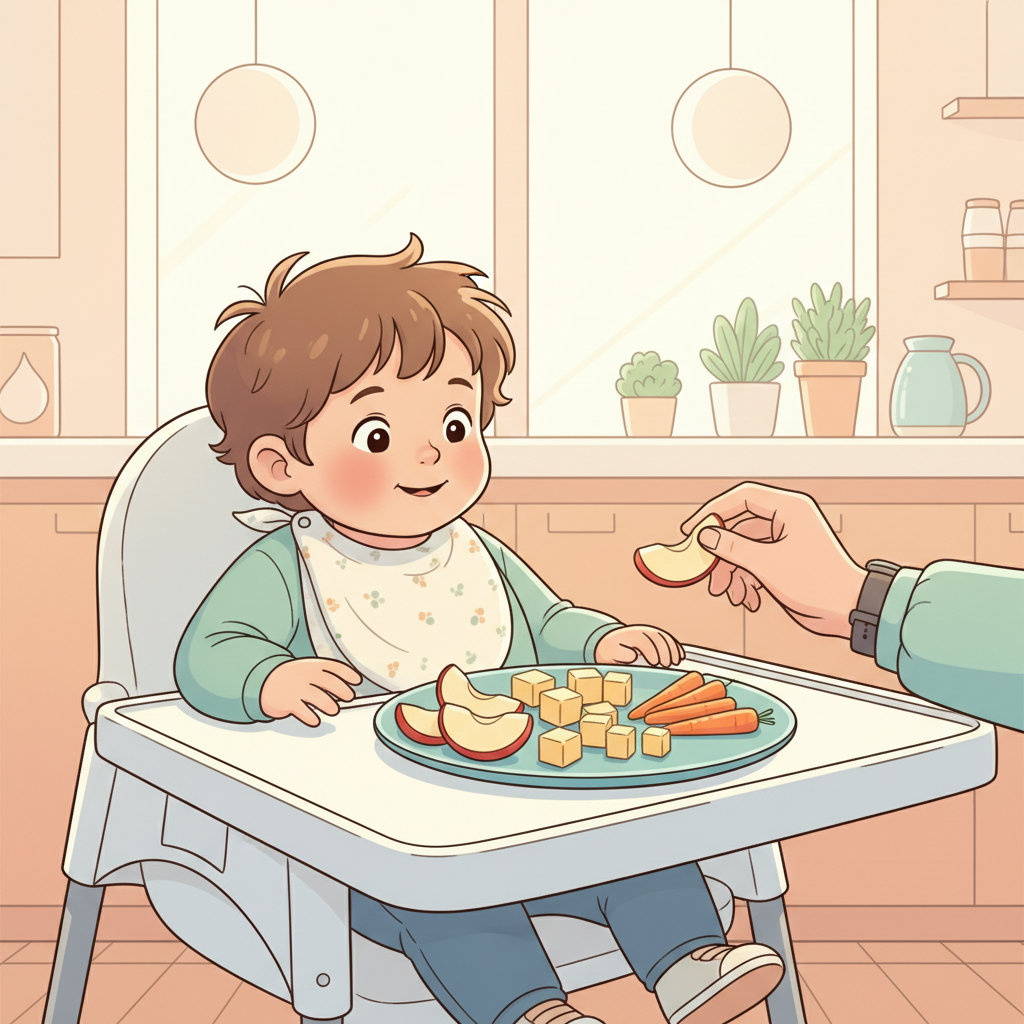
The Snack Attack Survival Guide: When Toddlers Refuse Meals But Demand Constant Snacks
With my first child, I remember hovering over his high chair, a tiny spoon of pureed peas pushed towards a stubbornly shut mouth. By my fourth, I’d learned that sometimes, the biggest battle for food wasn’t at the dinner table, but in the constant stream of "Can I have a snack?" that preceded it. If your toddler is refusing meals but asks for snacks constantly, you are not alone. It's a common, often frustrating, scenario for parents navigating the picky toddler phase.
Looking back, my initial impulse was to worry. Was he not getting enough nutrients? Was he ill? Was he just being difficult? The truth nobody tells you is that this phase, while trying, is often a normal developmental stage. Understanding why this is happening is the first step to gently guiding them toward healthier eating habits, without turning mealtimes into a battlefield.
Why the Snack Attack? Understanding Your Toddler's Eating Habits
So, why is your toddler constantly asking for snacks? Their tiny tummies are still developing, and they have different nutritional needs and capacities than we adults do. They can't quite stomach the same volume of food in one sitting. What seems like a refusal of dinner might simply be a reflection of their internal "fullness" signals.
Often, this preference for snacks over meals is a phase. Toddlers are exploring independence, and food is a prime area for asserting control. If they've discovered that a readily available snack brings immediate gratification, why bother with the uncertainty of a meal they might not like? That said, if you suspect an underlying issue – perhaps a sudden, dramatic shift in eating, or accompanied by other concerning symptoms like weight loss – it's always wise to consult your pediatrician.
The Snack Trap: How Small Bites Undermine Mealtime Success
The real issue isn't snacks themselves; it's how they can inadvertently sabotage mealtime. If a toddler is constantly grazing, their stomach is likely too full to be interested in a more substantial, balanced meal when it's presented. This can become a cycle: they eat enough small things throughout the day to not be hungry for meals, which then leads to them demanding more snacks.
Are snacks healthy if they replace meals? Not typically. While snacks are an important part of a toddler's diet, they should supplement, not substitute, nutritious meals. We often fall into the trap of offering the easiest, most palatable options – processed fruit pouches, crackers, or sugary cereals – because we just want them to eat something. Identifying these common snack pitfalls means recognizing if your snacks are providing fuel, or just filling tiny bellies with empty calories that leave them uninterested in nutrient-dense foods. For active toddlers, it's especially important to ensure snacks are both healthy and convenient, opting for best on-the-go snack pouches for active toddlers without added sugar rather than processed alternatives.
Crafting a Meal & Snack Schedule That Works
This is where structure can be a parent's best friend. When to offer snacks, and crucially, when not to, makes all the difference. Most toddlers thrive on 2-3 planned snacks between their 3 main meals. The key is timing: a snack offered too close to mealtime will inevitably kill their appetite for the food you've prepared.
Discover your baby's phase
My strategy shifted from "whatever you want, whenever you want it" to a predictable rhythm. For example, a mid-morning snack after playtime, and an afternoon snack after nap time. If your toddler asks for a snack right before dinner, you can gently reaffirm the schedule. "Dinner is almost ready, honey. Let's have a special snack after dinner tonight." This isn't about deprivation; it's about teaching them that sustenance comes at predictable times. This is also crucial for maintaining a consistent routine across daycare and home, as predictable schedules aid in overall child well-being.
The "no thank you" bite is another useful tool. It’s not about forcing them to eat, but about encouraging exposure. You could say, "You don't have to eat it, but could you try just one tiny bite for me?" If they do, great! If not, that's okay too. The point is to gently encourage trying new things without pressure. When they demand snacks outside these times, calmly offer water or defer until the next scheduled snack or meal.
Smart Snacking: Making Every Bite Count
When it's snack time, let's make those bites count. Think of snacks as mini-meals, designed to provide energy and nutrients that bridge the gap between meals. Aim to balance protein, fat, and fiber. This combination helps keep them feeling fuller for longer and provides sustained energy, reducing the likelihood of constant snack requests.
Here are some quick and easy snack ideas for toddlers that provide good nutrition:
- Fruit and Yogurt: Sliced apples or berries with plain Greek yogurt.
- Veggies and Dip: Carrot sticks, cucumber slices, or bell pepper strips with hummus or a mild guacamole.
- Whole Grain Crackers and Cheese: Whole wheat crackers with a few slices of cheddar or a small dollop of cream cheese.
- Hard-Boiled Eggs: A fantastic source of protein.
- Trail Mix (Toddler Version): Small amounts of dried fruit (raisins, cranberries), nuts (if no allergies and age-appropriate for choking risk), and unsweetened cereal.
- Smoothies: Blend fruit, yogurt or milk, and a handful of spinach for a nutrient-packed drink.
These options are more satisfying than a handful of cereal or a processed fruit snack, and they require minimal prep. Consider using non-toxic toddler snack cups for travel to make these healthy options even more convenient on the go.
Gentle Boundaries & Positive Reinforcement at the Table
Setting expectations without power struggles is essential. This means being firm but kind. Announce what's for snack and meal times, and stick to the schedule as consistently as possible. If they refuse the meal, that's their choice, but it also means no other food is offered until the next scheduled eating time. This teaches them that the meal is their opportunity to eat.
Positive reinforcement at the table goes a long way. Instead of focusing on what they aren't eating, praise them for what they are. "I love how you're trying your carrots!" or "Thank you for sitting nicely at the table." Make mealtimes a pleasant, connected experience, free from criticism. The goal is to create a positive association with food and eating. For instance, if your toddler is exploring food with their hands, perhaps exploring easy iron-rich vegetarian BLW recipes for 1-year-olds could be a fun way to engage them.
When to contact your pediatrician? If your toddler is consistently refusing most foods, showing signs of distress during meals, experiencing significant weight loss or lack of weight gain, or if their picky eating is causing extreme stress for the family. However, for most toddlers who are otherwise healthy and growing well, a preference for snacks over full meals is usually a phase that can be navigated with patience and consistency. Give yourself grace.