Toddler Spitting Out Food? 3 Key Reasons & What to Do
Is your toddler suddenly spitting out previously favorite food? Discover the common reasons behind this behavior and gentle strategies to manage mealtime.
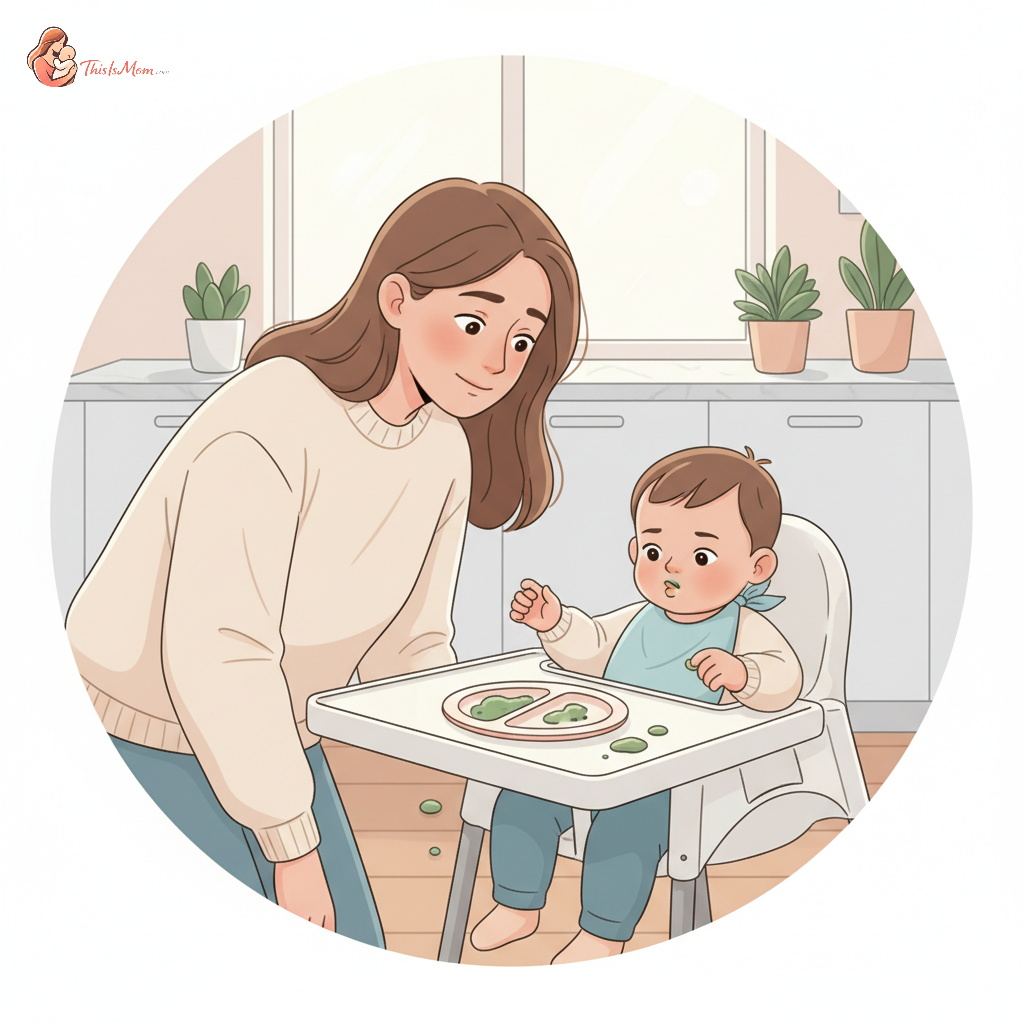
Toddler Suddenly Spitting Out Previously Favorite Food? Here's Why
Your toddler, who once devoured pasta with gusto, is suddenly spitting out dishes they previously loved. This can be incredibly perplexing and, let’s be honest, a little frustrating. You've gone from mealtime peace to a potential battleground, wondering what changed. Is it a picky phase, or is there something more significant going on?
Research suggests that this behavior is incredibly common in toddlers. When your toddler is suddenly spitting out food, even beloved dishes, it’s rarely a personal attack on your cooking. Instead, it often points to a complex interplay of developmental changes, sensory preferences, and a growing sense of independence. The American Academy of Pediatrics (AAP) acknowledges that toddlerhood is a period of significant exploration and boundary testing.
It's Not (Always) About Dislike: Understanding the 'Why'
When a 2-year-old is suddenly spitting out food, it’s crucial to remember that their motivations are often different from an adult's understanding of taste and preference. What seems like a clear rejection of a specific food might actually be a signal about something else entirely.
Toddlers are learning to communicate their needs and preferences, and for many, spitting out food becomes a direct, albeit disruptive, way to do so. It can be a learned behavior, a way to assert control, or a response to an uncomfortable sensation.
Developmental Leaps and Taste Bud Adventures
Toddlerhood is a whirlwind of developmental milestones. As their brains and bodies grow, so too do their sensory experiences and their understanding of the world.
Testing Boundaries (and Your Patience)
One of the most significant drivers behind a toddler suddenly spitting out food is their burgeoning desire for independence. They are learning that they have opinions and that they can express them, often through actions that challenge those around them.
Spitting out food, especially something they once enjoyed, can be a powerful way for a toddler to say "no" or express a preference. The Mayo Clinic notes that toddlers are actively exploring their autonomy during this stage, and mealtime often becomes a prime arena for this testing.
Sensory Exploration: Beyond Taste
For a 1-year-old suddenly spitting out food, it might be about the texture or temperature rather than the flavor itself. Toddlers have developing sensory systems, and what feels acceptable one day might feel overwhelming or strange the next.
A new texture, a slightly different consistency, or even a subtle change in how the food is presented can trigger a strong reaction. They might be spitting out food after chewing not because they dislike the taste, but because the way it breaks down in their mouth is suddenly unappealing or challenging. This is a normal part of sensory development, according to child development experts cited by the AAP.
When Growth Spurts Play Tricks on Appetites
Growth spurts are notorious for their unpredictable effects on a toddler’s appetite. During these periods of rapid development, their overall calorie needs can fluctuate, leading to periods of increased hunger followed by decreased interest in food.
If you have a toddler suddenly spitting out food, consider if it might coincide with a period where their eating habits have generally become more erratic. They might be experiencing shifts in their hunger cues, and a once-favorite food might simply not appeal when they aren't feeling particularly hungry.
Underlying Factors: Teething, Illness, or Stress
Sometimes, behaviors like spitting out food are a symptom of something else:
- Teething: Emerging molars can cause significant discomfort and make chewing and swallowing unpleasant, leading a child to reject food.
- Illness: Even a mild cold or underlying stomach bug can affect a toddler's appetite and tolerance for certain foods.
- Stress or Change: New environments, changes in routine, or family stress can manifest as changes in eating behavior. If you have a toddler spitting out food, observe if any other changes have occurred in their life.
Gentle Strategies to Reintroduce Loved Foods (and Keep Your Cool)
Navigating this phase requires patience and a willingness to adapt your approach. The goal is to continue offering nutritious food without creating undue pressure.
Discover your baby's phase
Keep It Casual: The Exposure, Not Pressure, Approach
The evidence suggests that repeated, low-pressure exposure is key to expanding a toddler’s palate.
- Offer, Don't Force: Continue to offer a variety of foods, including those previously enjoyed, alongside new options.
- Model Positive Eating: Eat with your child and demonstrate enjoyment of the foods you offer.
- Small Portions: Offer small amounts of the potentially rejected food. This reduces overwhelm and waste.
- Wait and See: If they spit it out, take it away calmly without making a big fuss. Reintroduce it at another meal or on another day.
Deconstruct and Reconstruct: Serving Foods Differently
Sometimes a slight alteration is all it takes to make a food acceptable again.
- Texture Changes: If they’re spitting out cooked carrots, try serving them roasted until slightly crispy, or finely grated raw.
- Separated Components: Instead of a mixed dish, serve the components separately. For example, offer pasta, sauce, and cheese as individual items.
- New Pairings: Serve a familiar food with a new, appealing dip or sauce.
Involving Them in the Process: A Little Control Goes a Long Way
Giving toddlers a sense of agency can sometimes diffuse their resistance.
- Choice: Offer two healthy options and let them choose which one to eat for a snack or part of a meal. Toddler Water Wins: Ditch Juice with 5 Smart Strategies is a good example of offering choices.
- Preparation: Let them help in age-appropriate ways, like washing vegetables or stirring ingredients. This can increase their curiosity and willingness to try what they've helped make.
- Gardening: If possible, involving them in growing even a small herb can spark interest.
When to Watch and When to Call the Pediatrician
While spitting out food is usually a normal part of toddler development, there are times when it’s wise to seek professional guidance.
Distinguishing Normal Phases from Red Flags
The AAP emphasizes that occasional food refusal or spitting is typical. However, if this behavior is persistent and accompanied by other concerning signs, it warrants a conversation with your pediatrician. Pediatrician Screen Time Limits for 2-Year-Olds: Your Guide can be helpful to understand what pediatricians consider normal developmental milestones.
The key is to look at the overall picture: Is your child growing well? Are they generally healthy and active? Or is the food refusal part of a broader pattern of declining appetite, withdrawal, or significant weight loss?
Weight Loss or Nutritional Concerns
The most critical indicator for concern is your child's growth and nutritional status. If your toddler is suddenly spitting out food and you notice a consistent lack of interest in eating over an extended period, or if you observe any signs of weight loss or poor weight gain, it’s time to consult your pediatrician. They can assess your child’s growth percentile and dietary intake.
Beyond Food: Other Spitting or Oral Fixations
Consider if the spitting is limited to food or if it’s a more general oral behavior:
- Excessive Spitting: Is your child spitting out everything, including non-food items or even saliva, outside of mealtimes?
- Oral Discomfort: Are there signs of pain when they try to eat, or is their toothbrushing routine causing distress? Baby Gags on Purees? A 5-Step Guide to Spoon-Feeding offers insights into oral feeding behaviors.
- Behavioral Changes: Is the spitting accompanied by significant behavioral changes, such as increased lethargy, withdrawal, or unusual irritability that is not easily soothed?
These types of persistent behaviors, especially when coupled with nutritional concerns, are reasons to proactively schedule a visit with your pediatrician. They can help rule out any underlying medical issues and provide tailored advice for your child.
Navigating your toddler's changing eating habits can be a journey. Remember that this phase is often temporary. By staying patient, offering opportunities for exploration without pressure, and keeping an eye on overall well-being, you can support your child through this common developmental stage.