Toddler Throws Screen When Angry: 5 Coping Skills Guide
Is your toddler throwing screens when angry? Learn effective coping skills and positive discipline strategies to calm tantrums and foster emotional regulation in young children.
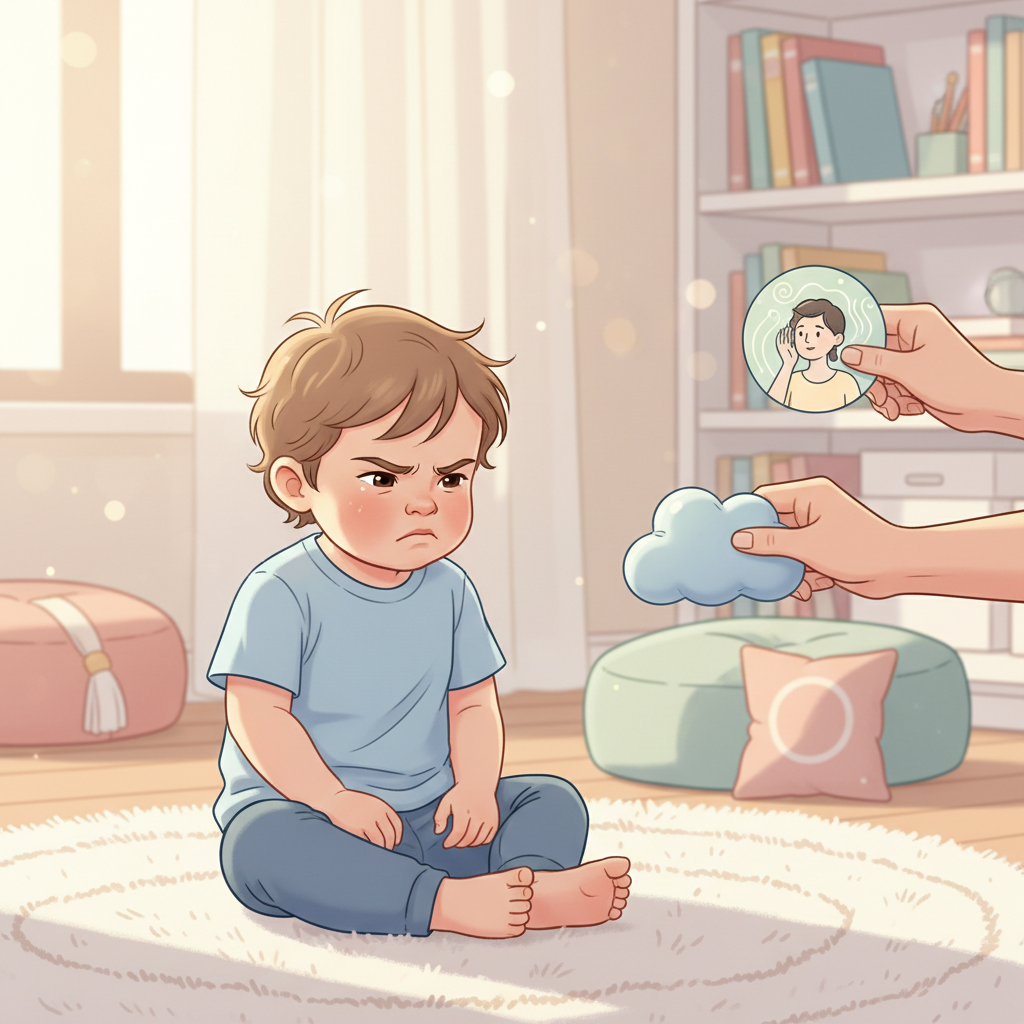
Toddler Throws Screens When Angry? How to Teach Coping Skills
Is your toddler grabbing their tablet and hurling it across the room in a fit of rage? This situation, common for many parents, requires understanding why these outbursts occur and how to equip your child with healthy ways to express their intense emotions. Let's explore evidence-based strategies to help your child manage anger and develop better emotional regulation, especially around screen time.
Understanding Why Toddlers Express Anger Through Screens
The developing toddler brain is a fascinating, complex place. Between the ages of 1 and 3, children experience rapid growth in language, cognition, and social understanding. However, their ability to manage the big emotions that accompany this development is still under construction.
Organizations like the American Academy of Pediatrics (AAP) explain that toddlers are learning to understand and express a wide range of emotions. Frustration often bubbles up when they can't do something they want or when things don't go their way. This frustration can easily escalate into anger, particularly if they lack the words to express what's bothering them.
Screen time, while offering entertainment and educational value, can also trigger intense emotions. When screen time ends abruptly or when a child experiences something upsetting on screen, they may lack the mature emotional regulation skills to process it. This can lead to destructive behavior, like throwing devices. Research suggests that consistent, predictable routines around media use can help mitigate these issues. Consider learning how to manage screen time for toddlers while working from home or discover screen time limits for 3-year-olds to establish healthy habits early on.
First Steps: Responding to a Screen-Throwing Tantrum in the Moment
When your toddler unleashes frustration by throwing a screen, your immediate reaction sets the tone for de-escalation and learning. The first priority is safety.
- Ensure Safety: Quickly assess the situation. Are there breakable items nearby? Is anyone in danger of being hit? Gently remove the screen from your child's reach and ensure the immediate area is safe. The Centers for Disease Control and Prevention (CDC) emphasizes safety in all aspects of parenting.
- Stay Calm: This is perhaps the hardest, yet most crucial, step. Your child looks to you for cues. If you become visibly upset or angry, it can escalate their distress. Take a deep breath and maintain a calm demeanor. Modeling emotional regulation yourself is one of the most powerful teaching tools you have.
- Validate, Don't Capitulate: Acknowledge your child's feelings without giving in to their demands. Phrases like, "I see you are very angry because screen time is over" or "You're frustrated that you can't watch more cartoons" can validate their emotions. This shows you recognize their internal state, without condoning the behavior. The Mayo Clinic offers resources on understanding and responding to tantrums, highlighting this balance.
Proactive Strategies: Teaching Coping Skills Before Anger Strikes
Once the immediate storm has passed, the real work of teaching begins. Equipping your toddler with a "coping skills toolkit" can help prevent future screen-related tantrums.
- Identify Emotions: Help your child build their emotional vocabulary. When they seem upset, sad, or frustrated, name the emotion for them. "You look sad because your tower fell down" or "You're angry because you can't have a cookie." The AAP suggests that helping children identify and label their feelings is a foundational step in emotional development.
- Build a Coping Skills Toolkit: Together, create a visual or verbal list of appropriate ways to handle big feelings. This might include:
- Taking deep breaths (demonstrate "smelling the flower, blowing out the candle")
- Asking for a hug
- Squeezing a stress ball
- Going to a quiet space
- Drawing or scribbling their feelings
- Talking about it (even if they can only manage a few words)
- The Power of Play: Toddlers learn best through play. Role-play different scenarios where characters get angry and use their coping skills. Use stuffed animals or dolls to act out taking turns or managing disappointment, practicing anger management in a low-stakes environment. This playful approach makes learning about emotional regulation less of a chore.
Discover your baby's phase
Communicating Boundaries and Expectations Around Screens
Clear and consistent communication about screen time is essential for preventing future conflicts. Positive discipline approaches focus on guiding behavior rather than punishing it.
- Clear Rules for Screen Time: Establish simple, consistent rules for when and how screens can be used. For example, "Screens are for after dinner" or "We use screens for 30 minutes each day." Define what happens when these rules are not followed, such as a temporary loss of screen privileges. The key is to be predictable so your child knows what to expect. Consider the AAP's recommendations on educational TV for toddlers to inform your daily limits.
- Offer Choices: Give your toddler a sense of control by offering limited, acceptable choices. Instead of saying, "Screen time is over," try, "Would you like to finish this game, or play with your blocks after screen time?" This fosters cooperation and reduces the feeling of being dictated to, which can be a major trigger for toddler anger.
- The Wind-Down Routine: Transitions can be difficult for toddlers. Develop a consistent routine that signals the end of screen time and the start of another activity. This might involve reading a book, singing a song, or talking about their day. This predictable shift helps them transition away from screens more smoothly.
Positive Discipline: Guiding Behavior Without Punishment
Positive discipline focuses on teaching children self-control and problem-solving skills, rather than relying on punishment. This approach builds a stronger parent-child connection and fosters long-term behavioral change.
- Consequences vs. Punishment: Research suggests a distinction between natural or logical consequences and punishment. A natural consequence of throwing a screen is that it might break, or it’s taken away. Punishment, on the other hand, is something imposed that is unrelated to the behavior itself and is often delivered with anger. Positive discipline favors natural or logical consequences that help the child understand the impact of their actions.
- Focus on Connection and Cooperation: When your child is upset, your primary goal is to reconnect with them. Once they are calm, you can then talk about what happened and what could be done differently next time. Building a strong, trusting relationship is the bedrock of effective emotional regulation for toddlers.
- Celebrate Small Wins: Acknowledge and praise your child’s efforts to manage their anger, even if they aren't perfect. If they take a deep breath instead of throwing something, or if they use a calming phrase, offer specific praise. "I saw you feeling frustrated, and you took a deep breath. That was a great job!" This positive reinforcement encourages the repetition of desired behaviors.
When to Seek Further Support
While most toddlers experience tantrums and struggles with emotional regulation, there are times when professional guidance may be beneficial.
If your child's destructive behavior is very frequent, intense, or involves aggression towards themselves or others, consult your pediatrician. They can help rule out any underlying medical or developmental issues.
Additionally, if you are struggling to manage challenging behaviors or feel overwhelmed, your pediatrician can provide referrals to parenting support groups or specialists in child development and behavioral specialists who can offer tailored strategies for your family.
Navigating the emotional world of your toddler is a journey. By understanding their developmental stage, responding with calm guidance, and proactively teaching coping skills, you can help your child learn to manage their anger constructively, turning those screen-throwing tantrums into opportunities for growth.