Transitioning 12-Month-Old from Purees to Table Food
Discover how to safely transition your 12-month-old from purees to table food with a week-by-week plan, safety tips, and expert advice for picky eaters.
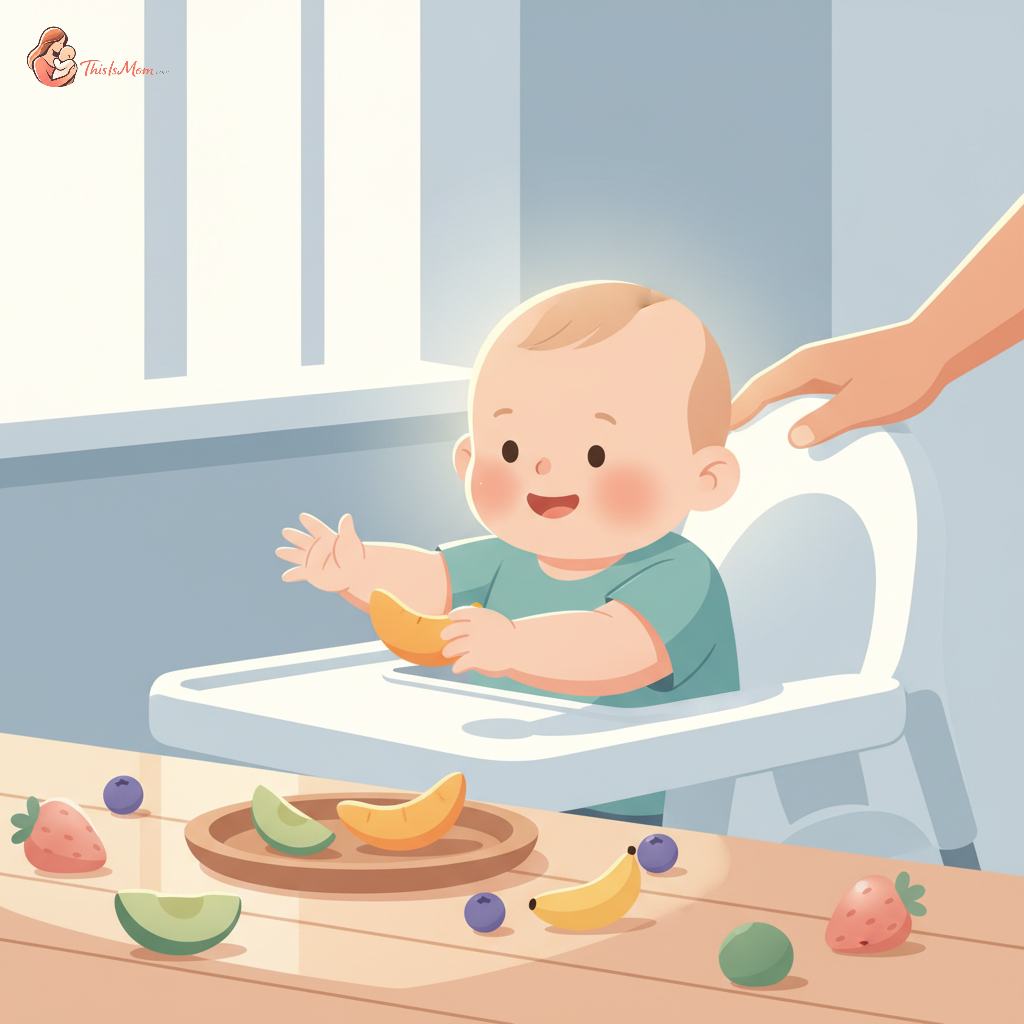
How to Transition Your 12-Month-Old from Purees to Table Food
Your little one is likely celebrating their first birthday, a milestone that often brings questions about feeding. If you've been diligently pureeing baby food, you might be wondering how to transition your 12-month-old from purees to table food. It's a common evolution in a baby's dietary journey, and this guide will walk you through it, step-by-step, drawing on common pediatric recommendations.
Why Moving Beyond Purees is Important for Your 12-Month-Old
Around their first birthday, most babies are ready to explore a wider world of food textures and flavors. While purees have been a convenient and safe way to introduce solids, the American Academy of Pediatrics (AAP) suggests that this age is a prime time to incorporate more textured foods.
When to Ditch the Blender for Baby Purees
There’s no single age to stop pureeing baby food; it's more about your baby's developmental readiness. Many pediatricians suggest that by 12 months, babies should be able to manage soft, mashed, or finely chopped table foods. You can gradually reduce the use of purees as your baby becomes more adept at chewing and swallowing.
Is It Okay for a 12-Month-Old to Still Eat Purees?
Yes, it can be. The transition doesn't have to be an abrupt switch. Most children gradually move away from purees as they gain confidence with other textures. If your 12-month-old baby still eats purees alongside other foods, that's perfectly fine. The goal is to offer a variety and let them lead the pace.
The Role of Texture in Your Baby's Development
Texture plays a crucial role in a baby's oral motor development, which is the ability to move food in the mouth, chew, and swallow safely. The AAP highlights that exposure to a range of textures helps develop the muscles needed for speech and eating a diverse diet later in life. This is a significant benefit of moving from purees to table food.
Getting Ready: Signs Your Toddler is Ready and Staying Safe
Before diving into new food adventures, observe your baby for readiness cues and prioritize safety above all else.
Signs Your Toddler is Ready for More Than Purees
Feeding experts recommend looking for these developmental cues to tell if your baby is ready for a transition from purees to solids:
- Improved Chewing Skills: They may gum or mash food effectively, even without teeth.
- Fewer Tongue-Thrust Reflexes: This reflex, which pushes food out of the mouth, typically diminishes by 6 months, but a baby ready for table foods will have a more controlled tongue movement.
- Interest in Family Meals: They watch you eat, reach for your food, or open their mouth when food is offered.
- Ability to Sit Up Straight: Good trunk control is essential for safe eating.
Essential Safety Tips for Table Food
Introducing table food means being hyper-vigilant about choking hazards. The Centers for Disease Control and Prevention (CDC) offers straightforward advice on preparing foods safely. Always supervise your baby while they are eating and ensure they are sitting upright. Avoid offering foods that are hard, round, or sticky.
- Cut foods into small, manageable pieces: Aim for pieces no larger than a pea or a small fingernail.
- Cook firm fruits and vegetables until soft: Think steamed carrots or roasted sweet potatoes rather than raw.
- Avoid common choking hazards: Include whole grapes, nuts, popcorn, hard candies, and large chunks of meat or cheese.
Gagging vs. Choking: Knowing the Difference
It's common for babies to gag when they first encounter new textures. Gagging is a protective reflex that helps move food forward in the mouth, allowing the baby to manage it. You'll typically hear sounds of distress or retching. Choking, on the other hand, is silent or involves gasping, and the baby is unable to breathe or cough effectively. If you see signs of choking, follow immediate first-aid procedures. Learning infant CPR is highly recommended for all parents.
Your Week-by-Week Plan for Transitioning to Table Food
This is a flexible guide; adjust it based on your baby's pace. The goal is gentle introduction and building confidence for both of you.
Week 1: Introducing Soft Textures and Small Pieces
Start by offering very soft, easily mashable foods in small, bite-sized pieces. Think well-cooked pasta, soft scrambled eggs, or avocado chunks. You can also continue offering a small amount of familiar puree alongside these new textures to ensure they have a satisfying meal.
Week 2: Blending Purees with Solids for Palatability
This week, you can begin to incorporate some texture into your purees. Mash fruits and vegetables slightly, or mix a familiar puree with tiny pieces of soft food. For example, mix applesauce with finely grated apple, or blend sweet potato with a few soft peas. This bridges the gap between what they know and what's new.
Discover your baby's phase
Week 3: Expanding Variety and Reducing Purees
Focus on offering a wider assortment of soft, diced, or mashed table foods at most meals. Continue offering purees, but perhaps in smaller portions or at only one meal per day. Introduce new flavors from your family's meals (provided they are safe and low in salt/sugar), such as mild curries, lentil stews, or baked fish.
Week 4: Embracing Family Meals
By now, your baby should be more comfortable with a variety of soft, textured foods. Aim to offer them safe portions of what the rest of the family is eating at most meals. This promotes a positive association with food and encourages them to learn by imitation. Purees can become an occasional offering rather than a staple.
Navigating Common Feeding Hurdles
The transition from purees to solids isn't always smooth sailing. Here’s how to manage common challenges:
Dealing with Food Refusal and Picky Eating
It’s normal for babies to refuse certain foods or go through phases of pickiness. The key is persistence without pressure. Continue to offer a variety of healthy options, even if they’ve been rejected before. Set a positive mealtime environment and don't force them to eat. Offer choices when possible, like two different safe vegetables.
Regressions and How to Get Back on Track
Sometimes, babies might seem to regress, preferring purees again after a period of eating solids. This can happen due to illness, teething, or changes in routine. Simply go back to offering more mashed or softer foods for a few days, and then reintroduce the textures they were managing. Consistency is helpful. If your toddler is refusing foods after an illness, you might find this guide helpful: Toddler Refuses Loved Foods After Illness: A Gentle Guide.
Is Pureed Food Better for Constipation?
Contrary to what you might think, offering more fiber-rich whole foods like fruits (prunes, pears, peaches) and vegetables is often more effective for constipation than purees, as they provide bulk. Ensure your baby is also getting enough fluids. If constipation is a persistent concern, consult with your pediatrician. For babies with sensitive tummies, finding the best formula brand for baby with sensitive tummy constipation can also be a consideration.
When to Talk to Your Pediatrician
Always trust your gut. If you have significant concerns about your baby's eating habits, growth, or development, it’s wise to seek professional advice.
- Significant weight loss or lack of weight gain.
- Extreme difficulty swallowing and persistent gagging/choking. If you notice your toddler only walks on tiptoes for short periods, it’s good to know toddler only walks on tiptoes normal signs, but persistent feeding issues warrant a doctor's visit.
- Refusal of entire food groups.
- Signs of nutrient deficiencies.
Delicious Meal & Snack Ideas for Your New Eater
Making meals enjoyable and nutritious is easy when you know what to offer.
Nutrient-Dense Options for 12-Month-Olds
Focus on whole foods packed with essential nutrients.
- Proteins: Soft cooked chicken or fish (finely shredded or diced), scrambled eggs, cooked lentils or beans (mashed).
- Fruits: Berries (cut in half or quarters), soft pear or peach slices, banana pieces.
- Vegetables: Steamed then cooled broccoli florets, soft-cooked carrot sticks, mashed sweet potato or butternut squash.
- Grains: Small pieces of whole wheat pasta, oatmeal cooked to a thick consistency, soft-cooked rice.
- Healthy Fats: Avocado cubes, small amounts of full-fat yogurt.
Making Family Meals Toddler-Friendly
Adapt your family’s meals to be suitable for your little one. You can steam vegetables separately or remove a portion before adding salt, spices, or sauces. Chop or mash larger pieces before serving them to your baby. This way, everyone eats a similar meal, fostering a sense of inclusion. You can also find ways to balance toddler screen time at different caregivers' homes to ensure consistency, which is also important at mealtimes.
Can a 1-Year-Old Baby Eat Table Food?
Absolutely! By one year old, with appropriate preparation and supervision, a baby can and should be eating a variety of table foods. This is a crucial step in their development towards becoming a healthy eater.
As your little one embarks on this exciting new phase of eating, remember that patience and consistency are your greatest allies. Offer a variety of textures and flavors, create a positive mealtime environment, and trust that your baby will learn to navigate their food world at their own pace. Every baby is unique, and their journey from purees to table food will reflect that.
Always check with your pediatrician for specific guidance regarding your child's health and feeding.