TSA Rules: Traveling with Frozen Breast Milk on Domestic Flights
Learn the essential TSA rules for traveling with frozen breast milk on domestic flights. This guide covers packing, security, and tips for flying with pumped milk.
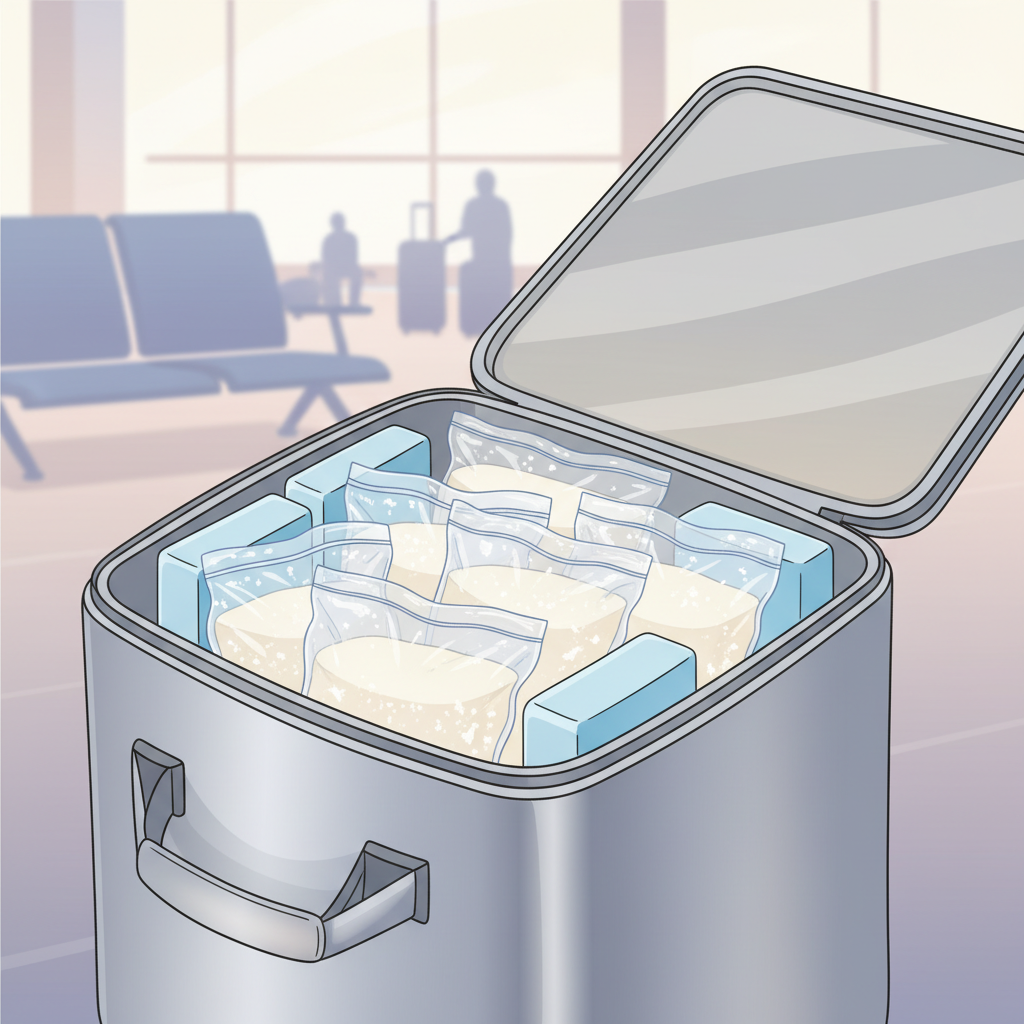
Traveling with Frozen Breast Milk on Domestic Flights (TSA Edition)
It was 4:30 a.m. when I finally packed the last ziploc bag of frozen milk into our cooler. The silence of our Brooklyn apartment was deafening, broken only by the hum of the refrigerator and the frantic beat of my own heart. Our baby was still asleep, a tiny, perfect bundle, blissfully unaware that his mom was about to embark on a mission that felt as complicated as launching a rocket: traveling with frozen breast milk on a domestic flight.
Honestly, I had no idea what I was doing. The thought of getting through TSA with bags of my precious liquid gold felt overwhelming. Would they confiscate it? Would it thaw? Would I end up crying in the airport bathroom (again)?
If you're staring down a flight with a cooler full of frozen pumped milk, take a deep breath. You're not alone. This guide is for you, from one mom to another, to help you navigate the process with more confidence and less stress.
The Lowdown on "Medically Necessary" Liquids (Spoiler: It's You!)
Let's get this straight right away: your breast milk isn't just "milk." For TSA, it's considered a medically necessary liquid. This is a critical distinction that opens up a world of relief for traveling mamas.
Why is this important? Because it means your breast milk is exempt from the usual 3-1-1 liquids rule. You know, the one that says you can only bring travel-sized toiletries? This exception is a game-changer for everyone flying with breast milk, whether it's fresh, frozen, or even formula.
This means you can bring more than the standard 3.4 ounces, and you don't need to cram it all into one tiny, impossible-to-close quart-sized bag. You can bring as much as you need for your journey, and then some.
Your Frozen Stash's Best Friend: The Cooler & Ice Pack Duo
Packing is where the real strategy comes in when you're traveling with frozen breast milk on a plane. Your primary goal is to keep that milk as frozen as possible until you reach your destination.
Cooler Choices: Hard or Soft?
There are a few schools of thought here. A hard-sided cooler (think a mini-Yeti or Coleman) is generally your best bet for maintaining the coldest temperatures. They offer superior insulation and protection for your milk.
However, a good soft-sided cooler can also work, especially if you're prioritizing weight and portability. Look for one with thick insulation and a tight-fitting zipper. Some moms swear by insulated lunch bags that have a more structured insert.
The Ice Pack Equation
This is where many moms get tripped up. Regular ice packs might not cut it for longer flights or warmer climates. You want ice packs that are designed to stay frozen longer.
- Gel packs are popular and effective. Look for ones that are specifically labeled as "long-lasting."
- Dry ice is another option, but it comes with its own set of TSA regulations. You'll need to check with your airline directly about their policies on dry ice, as it's not always permitted. If you do use dry ice, make sure it's clearly labeled and packaged appropriately.
Pro-Tip: Freeze your breast milk in sturdy bags or containers. Double-bagging can prevent leaks, which is a nightmare no one wants. Lay your milk bags flat in the freezer before they're fully frozen to make them pack more efficiently.
Maximizing Your Freeze Power
The more frozen your milk is going into the cooler, the longer it will stay that way.
- Freeze it solid: Pack your cooler with milk that is completely solid. This might mean packing it the day before your flight and keeping it in your freezer until you're heading to the airport.
- Pack it tight: Fill any empty spaces in your cooler with extra ice packs, frozen water bottles, or even towels. The less air, the better the insulation.
Navigating the Security Gauntlet
This is the moment of truth: the airport security checkpoint. It can feel like a high-stakes situation, but with a little preparation, it's totally manageable.
The Big Reveal: Declare Your Milk
Discover your baby's phase
As you approach the TSA checkpoint, it's your responsibility to let the officers know you're traveling with breast milk. It's not something you can try to hide.
Politely inform the TSA officer that you have breast milk in your carry-on bag. They will likely pull your carry-on aside for inspection.
What to Anticipate During Screening
Here's what usually happens:
- X-Ray: Your cooler and any other bags will go through the X-ray machine.
- Physical Inspection: Because breast milk can't always be clearly identified by X-ray (especially frozen milk), the TSA officer will likely want to physically inspect your milk. This means they will open your cooler.
- Wipes are Your Friend: They might use a wipe to swab your hands and the outside of your milk containers to test for explosives residue. This is standard procedure for any liquid that is exempt from the 3-1-1 rule.
Will TSA Open My Frozen Breast Milk?
Yes, they likely will open your cooler. They need to see what's inside. They may also want to visually inspect the bags of milk themselves. The best travel snacks for picky toddlers on long flights can often be packed alongside your milk cooler, so consider that when packing your carry-on.
The key is to be polite, cooperative, and upfront. If your milk is frozen solid, they will be able to tell. If it's starting to thaw, they will also note that. Don't be afraid to explain that you're flying with frozen breast milk. Most TSA officers are trained on these procedures and want to help make your journey smoother.
In-Flight Survival: Keeping Your Liquid Gold From Going South
Once you've made it through security, you've won half the battle. Now you just need to keep that precious cargo cold until you arrive.
Carry-On vs. Checked Bag: A No-Brainer
Always, always, ALWAYS pack your breast milk in your carry-on bag. Never check your breast milk. The temperature fluctuations and handling in the cargo hold are far too risky. Your milk needs to stay with you.
Surviving Longer Flights
If you're on a longer flight, keeping your milk frozen can be a challenge.
- Bring extra ice packs: If space allows, pack more than you think you’ll need.
- Consider a smaller, separate milk cooler: Some moms opt for a dedicated, smaller insulated bag just for milk, which they then place inside their larger carry-on. This can offer an extra layer of insulation.
- Ask the flight attendants: While they can't store it in their crew fridge (that's usually for medications), they might be able to offer a cup of ice to place in your cooler if it's starting to warm up, though this is not always possible.
When Hope Starts to Thaw
If you notice your milk starting to thaw significantly, don't panic.
- Assess its temperature: If it's still cold to the touch and has ice crystals, it's generally considered safe to refreeze. For toddler-only-eats-carbs-dairy-tips, having a variety of safe snacks is key, and keeping milk usable is part of that strategy.
- If it's fully thawed but still cold: It's usually safe to drink immediately or refrigerate for a short period, but re-freezing is not recommended.
- If it's lukewarm or has been unrefrigerated for a long time: It's best to discard it. It’s heartbreaking, I know. But your baby’s health comes first.
Wisdom from the Trenches: Real Mom Tips
I’ve asked around, and fellow mamas have shared some of their best hacks for flying with frozen breast milk.
- The Hybrid Approach: If you're traveling with a less-than-reliable cooler or are worried about a long travel day, consider packing a mix of frozen and fresh milk. Use the frozen for the flight and your destination, and have the fresh milk on hand for immediate use.
- You Don't Need the Baby: Many moms ask if you need to be traveling with your baby for the breast milk exception to apply. The answer is no. So long as you are traveling, your breast milk is considered medically necessary.
- Label Everything: Make sure all your milk bags are clearly labeled with the date and amount. This is good practice anyway, and it makes things easier if TSA has questions.
- Consider Post-Flight Storage: Before you even leave home, think about where you'll store your pumped milk at your destination. Do you have access to a freezer? If not, you may need to adjust your pumping and storage strategy. For example, if you're staying with family, make sure they can accommodate your needs, especially if they have a picky toddler who only watches Kids YouTube Shorts for entertainment and might need alternatives to screen time.
- Don't Be Afraid to Ask: If you're unsure about anything, ask. Ask the airline, ask TSA, ask other moms. The more information you have, the less anxious you'll feel.
This whole parenting gig is one giant learning curve, and traveling with breast milk is definitely a steep one. But remember, you are doing an incredible job. Every ounce of milk you pump is a testament to your dedication.