Compact Crib Alternatives for Small Apartment Living US
Discover the best compact crib alternatives for small apartment living in the US. Find safe, space-saving baby sleep solutions like mini cribs, bedside sleepers, and playards.
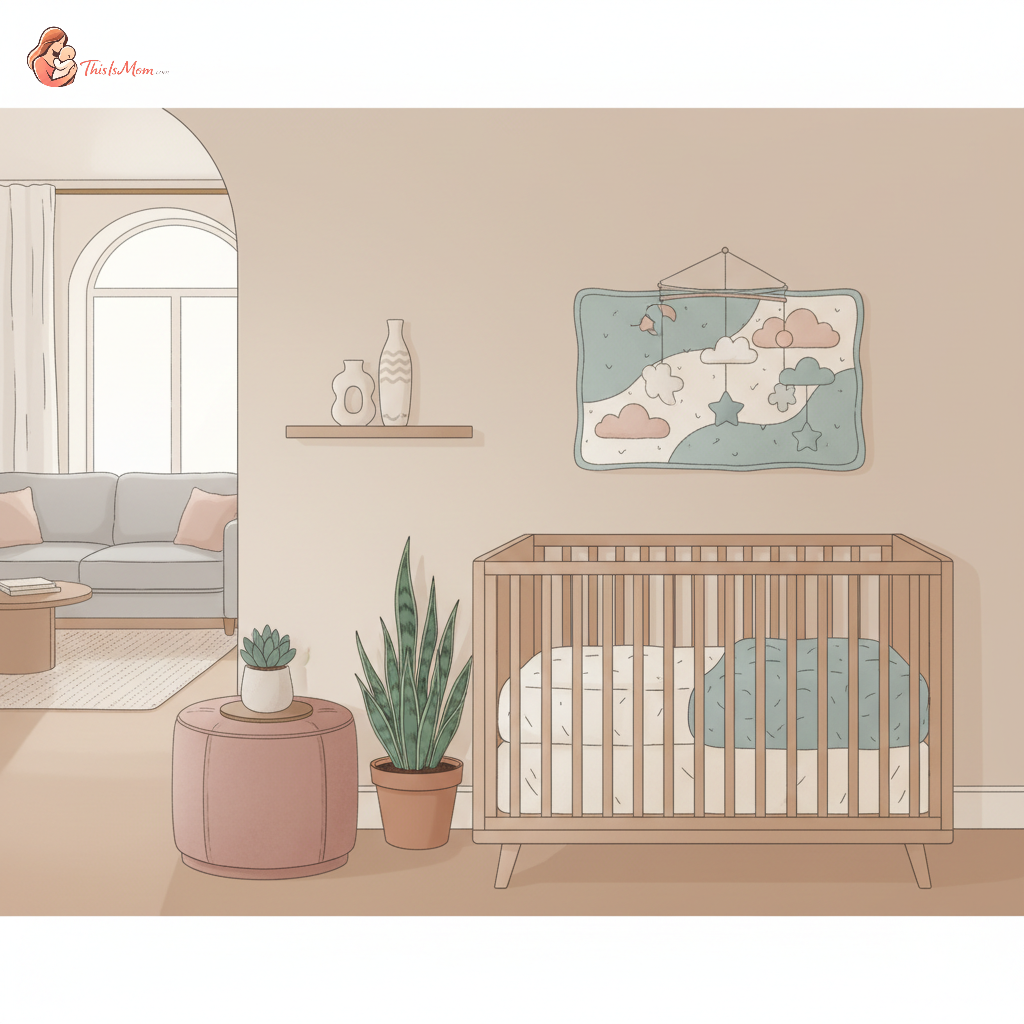
The Urban Parent's Guide to Compact Crib Alternatives
In just 5 minutes, you'll discover which compact crib alternative is best for your small apartment and which ones to skip. As a mom of twins who's navigated the real estate squeeze, I've personally tested leading space-saving baby sleep solutions. Forget endless scrolling; I'll show you how to ensure safe, practical sleep for your little one without sacrificing your living space.
The Apartment Squeeze: Making Sleep Work in Tight Quarters
Living in a US urban apartment with a new baby presents unique challenges, especially concerning sleep arrangements. Full-size cribs are often simply too large, consuming valuable floor space. However, this doesn't mean you have to compromise on safety or convenience. Understanding your options for compact crib alternatives is key.
- The Space Challenge: Even a small nursery can feel cramped. In studio apartments, the baby's sleep area might be in the main living space, demanding a solution that's both functional and aesthetically pleasing. For parents working from home, managing a baby's needs alongside professional responsibilities requires creative solutions. screen-time-alternatives-toddlers-work-calls
- Safe Sleep is Non-Negotiable: The American Academy of Pediatrics (AAP) has clear guidelines for infant sleep, regardless of your home's size. These include a firm, flat sleep surface, no soft bedding, and sleeping on their back. Any compact solution must meet these crucial standards, similar to how mattress firmness is critical for preventing SIDS in a bassinet. bassinet-mattress-firmness-sids-prevention-us
- What to Look For: Prioritize safety certifications, ease of assembly, portability (if needed), and a footprint that actually fits your space. Durability and long-term usability are also important considerations.
Mini Cribs: The Compact Champion
Mini cribs are designed to be exactly that – smaller versions of full-size cribs. They offer a fantastic compromise for parents prioritizing space.
Mini Cribs vs. Full-Size: What's the Difference?
- Size: Mini cribs are typically around 24 inches wide by 38 inches long, compared to standard cribs (around 28 inches by 52 inches). This difference can be substantial in a small room.
- Portability: Many mini cribs are lighter and easier to move; some even come with wheels, making them ideal for repositioning around the apartment.
- Longevity: While some mini cribs have a lower weight limit than full-size models, many can still be used until the baby is ready for a toddler bed, often up to 2 years or 35 lbs. Always check manufacturer specifications.
Safety First: Mini Crib Edition
The AAP's safe sleep guidelines apply universally. For mini cribs, ensure:
- Sturdy Construction: No wobbly legs or loose parts.
- Slat Spacing: Gaps between slats should be no more than 2 3/8 inches.
- No Drop Sides: Modern cribs, mini or full-size, should not have drop sides due to safety recalls.
- Firm Mattress: The mattress should fit snugly with no more than two fingers' width between the mattress and the side.
Our Top Picks for US Apartments
- Babyletto Mini Crib: Best for design-conscious parents. These are stylish, well-built, and often convert to a toddler bed. They meet US safety standards and come in various finishes.
- Graco Benton 4-in-1 Mini Convertible Crib: Best for value and longevity. This crib offers excellent utility, often converting to a toddler bed and daybed. It's a solid, safe choice.
- Dream On Me Aden Mini Crib: Best for budget-friendly simplicity. It's straightforward, safe, and fulfills the core need of a compact sleep space without extra frills.
Skip this: Any mini crib that feels flimsy, has sharp edges, or doesn't meet current US safety standards. Always read recent reviews for assembly feedback.
Bedside Sleepers: Proximity and Space Savings
For parents who want to keep baby close without occupying an entire corner of the room, bedside sleepers are a game-changer. They attach to your bed, providing a safe, separate sleep surface for baby right next to you.
Bedside Sleepers for Small Rooms
These are excellent for apartments because they:
- Minimize Footprint: They extend outwards from your bed rather than taking up separate floor space.
- Facilitate Night Feeds: Easy access means fewer disruptions for both you and the baby. This is particularly helpful in the early days when baby naps only 30 minutes and frequent feeding is necessary.
- Promote Safe Co-Sleeping: By providing a dedicated, safe space, they adhere to safe sleep practices, unlike direct bed-sharing.
Discover your baby's phase
Safety Standards
Look for bedside sleepers that:
- Meet ASTM Standards: Ensure the product explicitly states compliance with ASTM International safety standards.
- Secure Attachment: It must securely attach to your bed frame without gaps.
- Firm Mattress: Like cribs, the mattress must be firm and flat.
- Breathable Mesh Sides: This is crucial for airflow and visibility.
Our Favorite US-Market Bedside Options
- Graco DreamDuo 2-in-1 Bassinet & Bedside Sleeper: Best for versatility and ease of use. It functions as both a standalone bassinet and a bedside sleeper, offering great flexibility.
- Chicco Close to You Bassinet: Best for a premium, sleek design. This option offers a very sturdy build and a comfortable sleep surface, with a modern aesthetic that fits well in contemporary apartments.
- BabyBjorn Bassinet: Best for portability and minimalist design. While pricier, its lightweight frame and simple setup make it incredibly easy to move between rooms or for travel.
Skip this: Any co-sleeper that is not specifically designed for bedside attachment, has soft sides, or has been recalled. Always double-check safety certifications.
Playards & Portable Cribs: The All-in-One Solution
When space is extremely limited, a playard can serve as a primary sleep space for the first several months. Portable cribs offer another flexible option.
Playards as Primary Sleep Spaces
A playard can be a great solution if:
- It meets safety standards: Ensure the playard is approved for sleep by the manufacturer. Look for models that meet current JPMA (Juvenile Products Manufacturers Association) certifications.
- You need multi-functionality: A playard doubles as a safe play zone when baby is awake. If your toddler is obsessed with screens, a playard can be a great alternative for playtime. toddler-youtube-kids-nursery-rhymes-what-to-do
- Portability is key: Many are designed for easy folding and travel.
What to Check for Sleep-Approved Playards
- Firm, Flat Surface: Crucial for infant sleep.
- No Suffocation Hazards: Avoid bulky padding or excessive toys inside.
- Good Ventilation: Mesh sides are standard and effective.
- No Gap: Ensure the mattress fits snugly.
Best Portable Cribs for Apartment Living
- Baby Trend Deluxe Nursery Center: Best for affordability and a full feature set. Often includes a bassinet insert and changing station, making it a compact nursery in one.
- Graco Pack 'n Play: Best for the classic, reliable choice. This is a workhorse that's been trusted by parents for years, offering durability and safety for sleep and play.
- Guava Family Lotus Travel Crib: Best for ultimate portability and aesthetics. This is exceptionally lightweight, easy to set up, and looks great, making it ideal for frequent moves within the apartment or travel.
Skip this: Older models of playards that may not meet current safety standards, or any portable crib with a questionable mattress fit or flimsy construction.
Beyond the Bed: Maximizing Your Tiny Nursery Nook
Creating a functional sleep zone in a small apartment isn't just about the crib alternative; it's about smart organization and utilizing every inch.
- Vertical Storage: Use wall-mounted shelves, tall, narrow bookcases, or over-the-door organizers for diapers, wipes, clothes, and toys.
- Under-Crib Storage: If using a mini crib or playard with legs, invest in low-profile bins that slide underneath for extra blankets or seasonal baby gear.
- Multi-Functional Furniture: Think about ottomans with storage, or a glider that also has side pockets for essentials.
- Designated Sleep Zone: Even in a studio, visually demarcate the sleep area with a rug or a strategically placed screen. This helps create a calming environment for baby and a sense of separation for you.
When your baby outgrows these compact solutions (typically between 18 months and 3 years, or when they can climb out), you'll transition to a toddler bed or a larger crib. The goal is to find the best fit for your current space and needs, always prioritizing safety.