Daycare Separation Anxiety: 2-Year-Old Only Wants You
Is your 2-year-old struggling with daycare separation anxiety, only wanting you? Learn why this happens and effective strategies for smooth drop-offs and peaceful transitions.
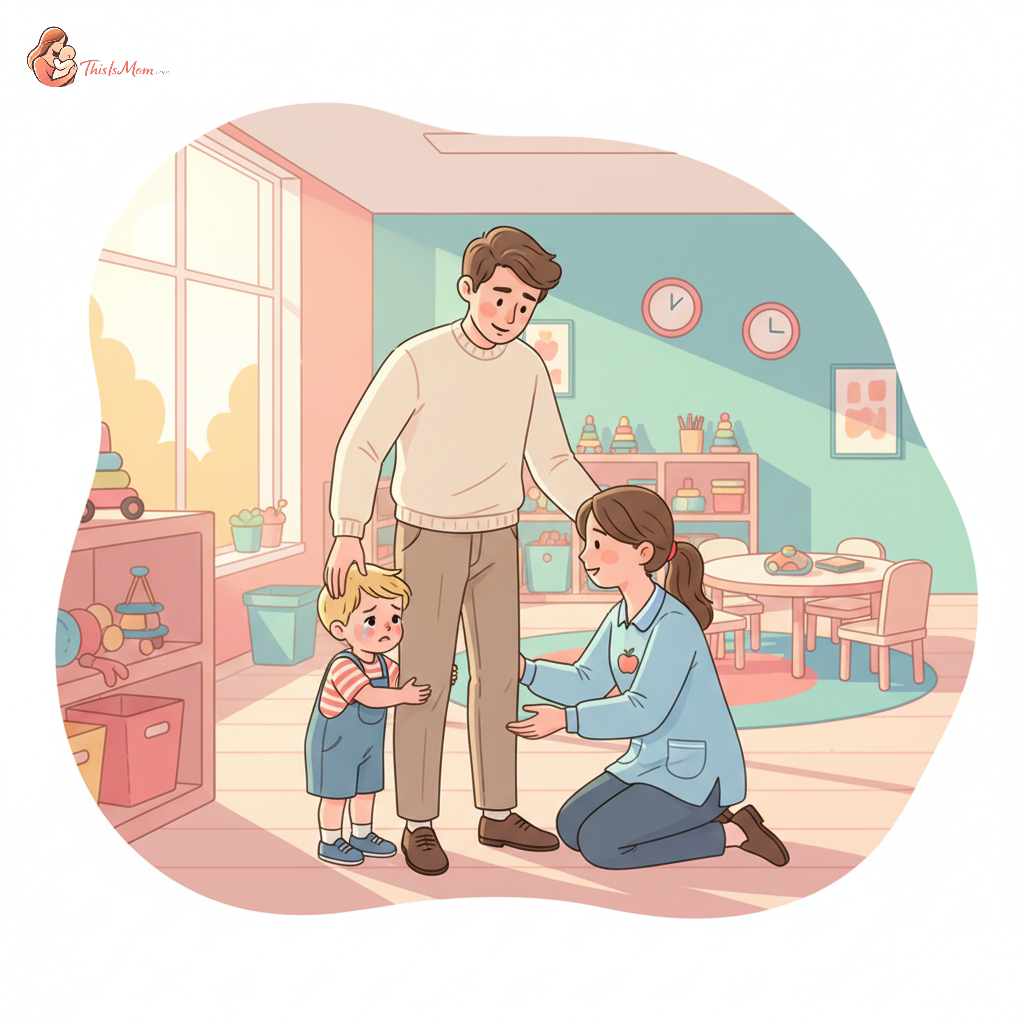
Daycare Separation Anxiety: When Your 2-Year-Old Only Wants You
With my first child, I agonized over every sniffle, every hiccup, every moment my baby wasn't perfectly content. By my fourth, I’ve learned that sometimes the biggest kindness you can offer your child (and yourself) is a deep breath and the knowledge that most of what keeps us up at night is just a phase. Daycare separation anxiety in a 2-year-old is a classic example. You’ve nurtured this little being, you’re their whole world, and suddenly you’re entrusting them to others. It’s natural for them to feel this anxiety, and for you to feel it too.
Looking back, the intensity of a two-year-old’s attachment can feel overwhelming during daycare drop-offs. They’re in a unique developmental stage, and their tendency to focus comfort exclusively on primary caregivers makes this transition particularly poignant. If I could tell my younger self one thing about this, it would be this: this is normal, and you are not failing.
Why Two-Year-Olds Get So Fussy About Leaving
At two, your child is hitting major milestones in understanding object permanence and developing a stronger sense of self. They know you exist even when you’re not in the room, and this newfound awareness can amplify their distress when you leave. Their world is still very small, and you are its center. The thought of that center shifting, even for a few hours, can be terrifying for them.
The "only us" aspect is incredibly real. They’ve spent nearly every waking moment with you (or their other primary caregiver). They understand your cues, your comfort, your very essence. In a new environment, with new people, the only stable, predictable comfort they have is you. So, they hold on extra tight, and their protests can be loud and insistent. This isn't a sign of being spoiled; it’s a sign of a healthy, strong attachment.
It’s also crucial to remember that this is not a reflection of your parenting or a failure on your part. It’s a developmental stage. Every child navigates it differently, but the core emotions are universal. Your child’s tears at drop-off aren’t a judgment on the daycare or a sign they’re miserable; they're a raw expression of their current feelings and their deep connection to you.
Setting the Stage: The Power of Proactive Preparation
Before the first day even arrives, much can be done to ease the transition. This is where preparing your 2-year-old for daycare truly comes into play. It’s not about eliminating tears entirely, but about building a bridge of understanding and anticipation.
Start talking about daycare in a positive, matter-of-fact way. Use simple language: "You're going to play at school," "You'll meet new friends," "Ms. Sarah will read you a story." Frame it as an exciting adventure, a place where fun happens. Avoid using daycare as a threat ("If you don't behave, you'll have to go to daycare!") or as a solution to your own needs ("Mommy needs a break, so you're going to daycare").
If possible, arrange visits to the daycare with your child before they start. Let them explore the classroom, play with some toys, and meet the teachers. This helps demystify the environment. Even a short visit where they see other children playing happily can make a difference. Introducing screen-free calm down corners can also help children develop emotional regulation skills, which may be beneficial in new environments.
Practice short separations at home. Have a trusted friend or family member watch your child for an hour while you run errands. This helps them experience being cared for by someone else in a low-stakes environment. Tell them you'll be back, and then reliably come back. This builds trust.
Establishing a consistent, calm morning routine is also paramount. Rushing and chaos at home will only amplify your child's anxiety. Know what needs to happen and when, so the morning flows smoothly. This predictability offers comfort.
The Drop-Off Dance: Making Goodbyes Count
The actual drop-off can be the most challenging part. It's tempting to linger, to hover, to try to soothe every tear, but the best approach is often the quickest and most confident.
Discover your baby's phase
Once you've said your goodbyes, hand your child to a teacher and leave. Lingering can actually make it harder for both of you. It prolongs the distress and can signal to your child that you're also anxious about leaving. A quick, confident handover, with a smile and a clear "I love you, I'll see you later!", is usually best.
Consider creating a special goodbye ritual. This could be a specific handshake, a silly dance, or a special hug and kiss. It’s a predictable marker that signals "Mommy is leaving now, but she'll be back." Make it short, sweet, and consistent.
Communicate with the caregivers. Let them know your child's temperament, what has worked in the past, and any specific concerns you have. They are your partners in this. They can often distract and comfort your child once you've left, making the transition smoother. Don't hesitate to ask them to call you if the tears persist for an extended period.
When your child clings to you, and you feel that knot of guilt and sadness tightening in your chest—take a deep breath. This is the hardest part. Remind yourself that they are safe, they are cared for, and this intense need for you will pass. Hand them gently to their teacher, offer your quick goodbye, and trust that the caregivers know how to help them settle. You are not abandoning them; you are enabling them to grow.
Navigating the Waves: After the Tears
The moment you walk out the door is tough, but what happens after is just as important. Your child will need reassurance and connection to process the separation.
Make your reunions special. Greet your child with warmth and enthusiasm. Let them know you've missed them. Sometimes, they'll want to hug you tightly and may even cry more when they see you. This is a release of their pent-up emotions. Welcome it. Acknowledge their feelings: "It sounds like you missed me a lot today!"
Processing their feelings, even if they can’t articulate them fully, is key. You can say things like, "Sometimes it's hard to say goodbye, isn't it? But you were brave, and you played, and now Mommy is here." You are giving them the words for their emotions. Postpartum depression and the 'baby blues' can also affect a mother's ability to cope with these challenging transitions.
And for you, the parent? This is where you need to give yourself grace. It’s okay to feel sad, guilty, or even relieved. You're undergoing a significant adjustment too. Find small ways to recharge. A quiet cup of coffee, a short walk, or a chat with a fellow parent who understands can make a big difference. Don't underestimate the impact of your own well-being on your child's adjustment. Gyms with childcare can be a great option for moms to get a break and recharge.
If your child's anxiety is severe, persistent, and significantly impacting their day (or yours), and it doesn't seem to be improving after several weeks, it might be worth exploring further. This could mean talking to the daycare director about their strategies, or potentially consulting with your pediatrician or a child development specialist. However, for most, the intense period of a 2-year-old refusing daycare eventually subsides.
The Long View: What Truly Matters
Looking back, the most valuable lesson I've learned through four children is that most of the things we stress about are temporary. This intense separation anxiety at two years old is a significant hurdle, but it is, indeed, a phase. It won't last forever. 1970s parenting rules and 1960s parenting rules show how much approaches have changed, and today's focus on emotional well-being and attachment is key.
Trust your child. They are more resilient than we often give them credit for. They have an innate ability to adapt and to form new connections. Trust your chosen caregivers as well. They are professionals who have helped countless children navigate this.
The long-term benefits of your child attending daycare—the social interaction, the learning opportunities, the development of independence—far outweigh the temporary discomfort of the initial separation. They are learning invaluable life skills, building confidence, and discovering the joy of being part of a community outside the home.
So, breathe deep. You’re doing a great job. Your child is learning, growing, and becoming more capable with every passing day, and you are their steady, loving anchor through it all.