5 Ways to Encourage Independent Play for Your Velcro Toddler
Discover effective strategies to encourage independent play in your velcro toddler. Learn how to create a safe space, use toy rotation, and gently guide them to solo adventures.
How to Encourage Independent Play for Your Velcro Toddler
With my first child, I lived in a constant state of "Mommy, watch!" My second toddler seemed attached to my hip, and by my fourth, I learned that this clinginess is often just a sign of a job well done. You’ve built a secure attachment, and now they’re exploring the world from the safest base they know: you. Looking back, I wish I’d understood sooner that a "velcro toddler" isn't a punishment; it's a testament to your loving presence and a normal, often temporary, developmental phase. This article is for you if you're wondering how to encourage independent play for your velcro toddler.
Understanding That Little Shadow: Why They're Sticking Like Glue
It's easy to feel overwhelmed when your toddler seems glued to your side. Is it defiance, or is there more to it? In most cases, this intense attachment is a natural part of their development. Separation anxiety, particularly common around 18 months to 2 years, means they're beginning to understand that you can leave, and the thought of that can be scary.
It’s less about defiance and more about a deep need for connection and security. They’re learning about the world, and having you nearby provides the safety net they need while they tentatively explore. This isn't about your child being "bad" at playing alone; it's about them feeling safe enough to explore from your presence, rather than needing to be in your presence for every single moment.
Setting the Stage for Solo Adventures: Your 'Play Zone'
The environment plays a surprisingly large role in coaxing even the clingiest toddlers towards solo exploration. Thinking about how to encourage independent play often starts with the physical space.
Creating a safe, inviting, and accessible play area is key. This doesn’t mean a fancy playroom; it could be a corner of the living room, a designated spot in your bedroom, or even a supervised area of the kitchen while you prepare a meal. The goal is to make it a place they want to be, filled with interesting things.
And let's talk about toys. An overwhelming amount of toys can actually hinder independent play. Enter the power of toy rotation. Each week or two, swap out a portion of their toys. This keeps things fresh and exciting, highlighting items they might have forgotten about. Less is often more when it comes to sparking their imagination without them feeling overwhelmed by choice.
Gently Guiding Them Towards Their Own Fun
The transition to independent play for a velcro toddler isn't an overnight switch. It's a series of small, gentle nudges. Think of it as teaching them to swim by starting in the shallow end.
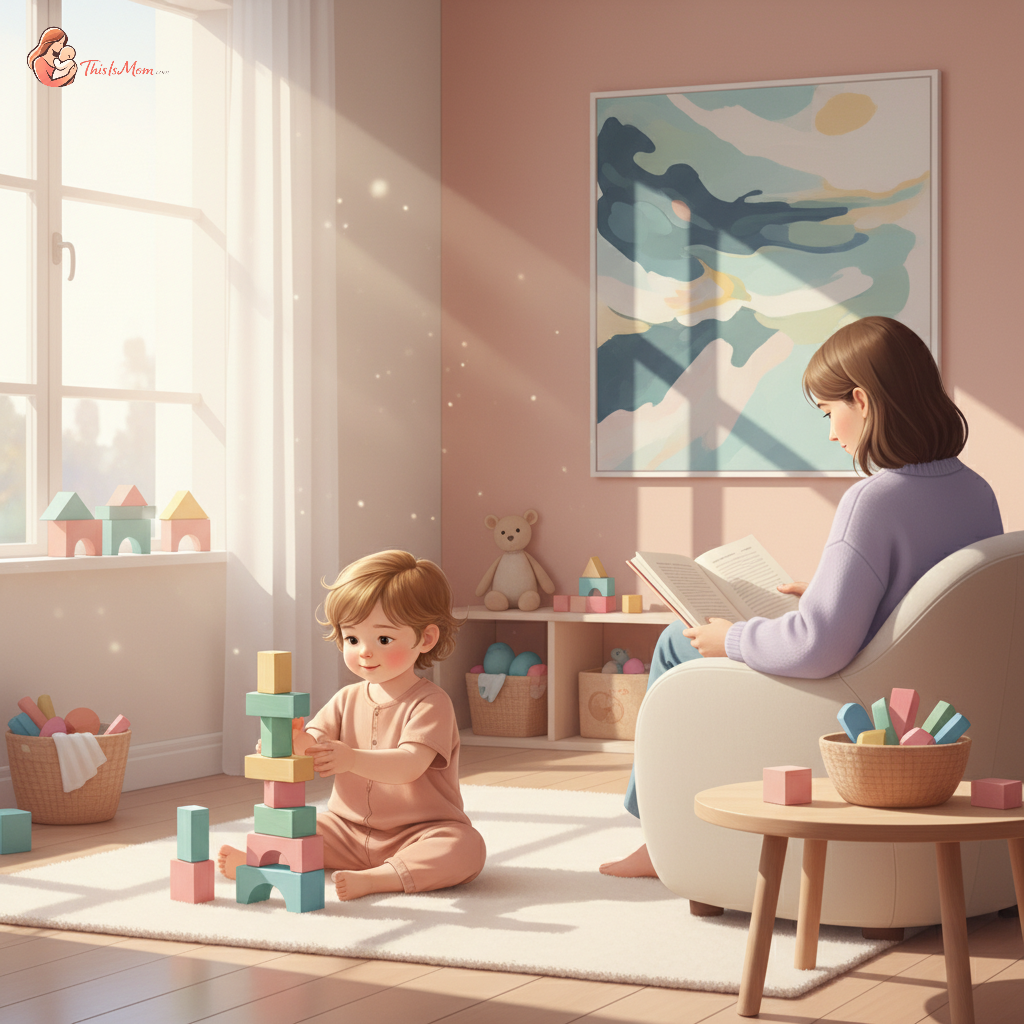
- Begin with "parallel play": Sit near them as they play, perhaps engaging with a book or a quiet activity of your own. They’ll see you nearby, feeling secure, but they’re still focused on their own world. Over time, you can gradually increase the physical distance.
- Try the "check-in and pull away" method: Start playing with them, then announce you’re stepping away for "just one minute." Return before they start to get distressed. Slowly increase the time you're gone. A crucial part of fostering independent play for toddlers is building their trust that you always come back.
- Narrate their play: When you see them engaged, quietly say, "Wow, I see you're building a tall tower!" or "You're coloring such a bright picture!" This validates their activity and encourages them to continue, knowing you’re paying attention without needing to interrupt.
Discover your baby's phase
The Right Stuff: Play That Sparks Solo Time
Not all toys are created equal when it comes to nurturing independence. The secret lies in toys that encourage open-ended exploration rather than ones that dictate a specific outcome.
Open-ended toys are your best friends. Think building blocks (wooden or soft), chunky puzzles, art supplies like crayons and safe paper, playdough, scarves for dress-up, and simple dolls or animal figures. These items can be used in countless ways, allowing your child’s imagination to lead.
Focus on process-oriented activities over product-driven ones. A child experimenting with water and cups in the sink is developing crucial cognitive and motor skills. The learning happening during the play is invaluable. This is a core principle for independent play for a 1 year old right through to a 2 year old. This also helps with toddler tantrums when screen time ends as they learn to self-soothe and self-entertain.
When considering independent play for a 1 year old, think simple sensory experiences—a bin with large, safe objects to explore, or chunky beads they can string with supervision. For a 2 year old, they might be ready for more complex puzzles, simple pretend play scenarios, or building with larger blocks. The key is age-appropriateness; don't push them into activities that are too complex or frustrating.
When Solo Play Feels Like a Mountain to Climb
We all have those days. Your toddler follows you into the bathroom or stands at the edge of your workspace. This is where the thought "my toddler won't play alone" becomes a challenge.
First, breathe. This phase, too, shall pass. It often helps to set up a "special play spot" for them in the same room you’re in. Put their favorite toys there, and then work on your own quiet activity nearby. You are present, but not directly participating in their play. It’s a compromise that acknowledges their need for connection while encouraging their ability to entertain themselves. Transition activities after screen time can also be helpful for these moments.
Meltdowns and whines will happen when you introduce new boundaries. Respond with empathy but also with a consistent boundary. "I know you're sad Mommy is working, but I need to finish this right now. You can play with your cars here." Acknowledge their feelings, but gently steer them back to their independent play.
Avoid the screen time trap. While screens offer a quick fix, they don’t build skills for independent play. It’s passive entertainment. Opt for another quiet activity nearby if needed, rather than defaulting to the TV. Learn how to explain screen time limits to a 2 year old to set healthy expectations.
The Long Game: What's In It For Everyone
Encouraging independent play isn't selfish; it's foundational for your child's development and for your own well-being. Those few stolen minutes of peace for you are restorative. They allow you to recharge, to think your own thoughts, and to return to your child with renewed patience and energy.