Extend Baby Naps: 7 Gentle Ways to Solve 30-Minute Naps
Is your baby only taking 30-minute naps? Discover why short naps happen and 7 gentle, no-rocking strategies to help your baby extend their naps for more restorative sleep.
Extend Baby Naps: 30-Minute Naps Solved (No Rocking!)
Is your baby consistently taking only 30-minute naps, and you're wondering how to extend them without resorting to constant rocking? This is a common challenge for parents navigating the often-unpredictable world of infant sleep. Many find their little ones reliably waking after a short period, and understandably, they want those naps to be more restorative—for both baby and parent.
The good news is that understanding a few key principles from organizations like the American Academy of Pediatrics (AAP) and the Centers for Disease Control and Prevention (CDC) can help. We'll explore why these short naps happen and what evidence-based strategies can gently encourage longer stretches of sleep, without relying on constant motion.
Why Baby Naps Seem Stuck at 30 Minutes
It's helpful to understand what's happening during those 30-minute sleep cycles. An infant sleep cycle is shorter than an adult's, typically lasting around 45-60 minutes. A significant transition occurs around the 30-minute mark, moving from lighter to deeper sleep stages. For many babies, particularly between 3 to 6 months, this transition can be a natural moment to wake up.
The AAP notes that sleep patterns evolve, and what's normal for a newborn isn't the same for a 4-month-old. For babies under about 4-6 months, waking after one sleep cycle (around 30-45 minutes) is very common and often considered typical development. They are still learning to connect sleep cycles. This is where gentle tips for baby nap refusal at 6 months without crying can be particularly helpful.
When Short Naps Aren't a Concern
If your baby is happy, well-fed, thriving with shorter naps, and getting sufficient nighttime sleep, short naps may simply be their current pattern. The CDC emphasizes that healthy development is the primary indicator. A baby who has two or three 30-minute naps a day and still sleeps well overnight might be getting enough total sleep.
When Short Naps Might Be an Issue
You might worry if short naps are accompanied by:
- Constant fussiness and overtiredness throughout the day.
- Difficulty settling for sleep at any time.
- Feeding problems or significant weight gain concerns.
If you're seeing these red flags, it's worth examining other factors.
The Mystery of Suddenly Short Naps
Sometimes, a baby who used to nap for longer periods might suddenly start taking only 30-minute naps. This shift can be due to developmental leaps, teething, or changes in their routine. Research suggests that as babies grow, their sleep needs and patterns shift. Even something as simple as a C-section scar massage for nerve pain relief can impact overall comfort and sleep.
Setting the Stage for Sleep Success
A conducive sleep environment is fundamental for longer naps. Guidelines from the AAP and other sleep experts consistently point to a few key elements for optimizing a baby's sleep space.
Creating the Ideal Sleep Sanctuary
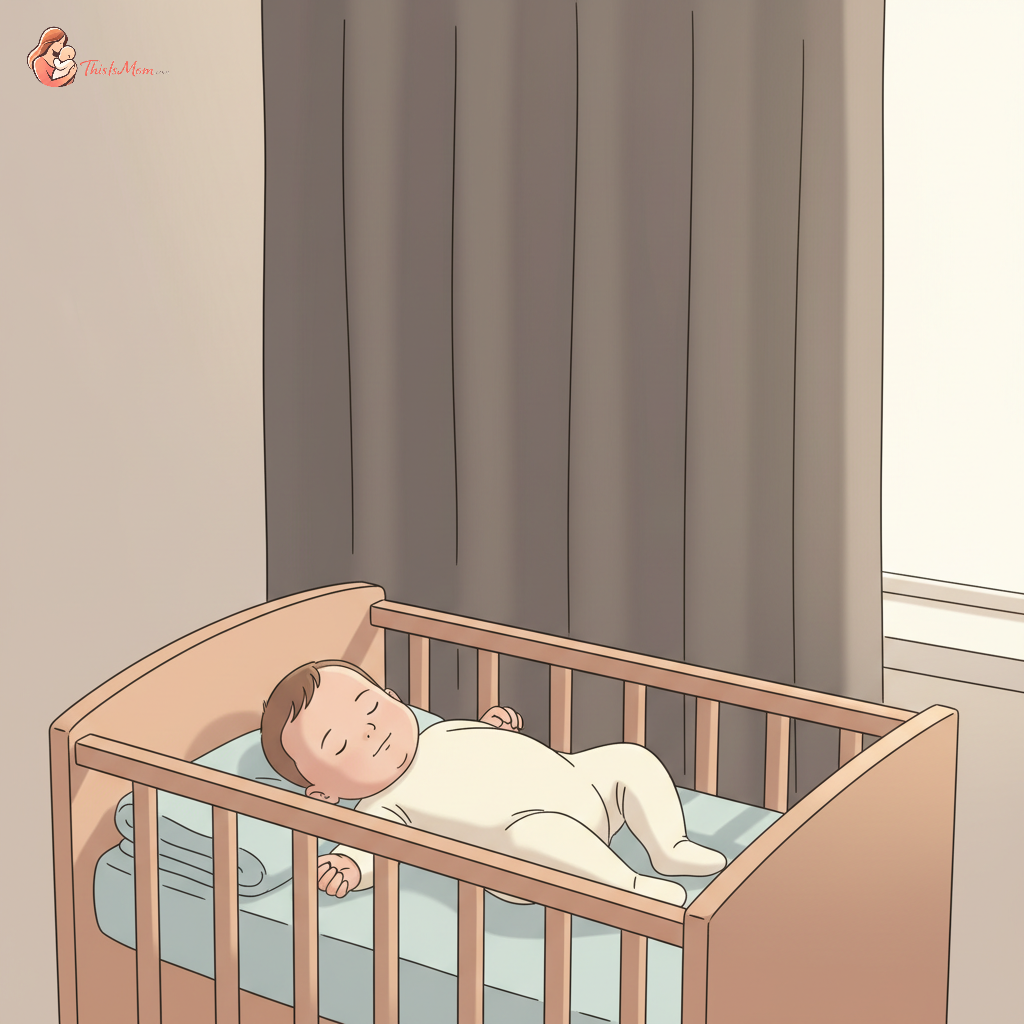
- Darkness: The room should be as dark as possible. Blackout curtains can be a parent's best friend, helping to signal to your baby’s brain that it’s time to sleep and preventing light from disrupting sleep cycles.
- Sound: A white noise machine can be incredibly beneficial. The consistent, low hum can mimic sounds heard in the womb and mask household noises that might otherwise startle your baby awake. The CDC suggests that white noise can help babies fall asleep and stay asleep.
- Temperature: Ensure the room temperature is comfortable—generally between 68-72°F (20-22°C). Overheating is a potential risk factor for SIDS, and a room that’s too hot or too cold can disrupt sleep.
The Power of a Consistent Pre-Nap Routine
A predictable sequence of events before a nap can help signal to your baby that sleep is coming. This doesn't need to be elaborate. Consider a few calm activities:
- A diaper change.
- A short, quiet story or lullaby.
- Swaddling or placing them in a sleep sack.
- A final cuddle and placing them in their crib.
The consistency is key. Doing this regardless of the nap's length helps build positive sleep associations.
Safe Sleep Guidelines for Every Nap
The AAP’s safe sleep recommendations are crucial for every sleep period, including naps.
- Always place your baby on their back on a firm, flat sleep surface.
- Ensure the crib, bassinet, or play yard is free of soft bedding, blankets, pillows, and toys.
- Consider a pacifier for sleep once breastfeeding is well-established. For some babies, weaning off a pacifier can be a challenge, but there are gentle strategies to handle a 1-year-old fighting the pacifier at night.
- Room-sharing (without bed-sharing) is recommended for the first 6-12 months.
Timing is Everything: Napping at the Right Moment
Understanding your baby's natural sleep cues and their age-appropriate wake windows is perhaps the most critical factor in encouraging longer naps.
Decoding Wake Windows by Age
Discover your baby's phase
A wake window is the amount of time a baby can comfortably stay awake between sleep periods. These windows are shorter for younger infants and gradually lengthen as they grow.
- Newborns (0-3 months): 45-60 minutes
- 3-5 months: 1.5-2 hours
- 6-8 months: 2-3 hours
- 9-12 months: 2.5-3.5 hours
The Mayo Clinic suggests that watching for sleepy cues is more reliable than rigidly adhering to a clock.
Spotting Sleepy Cues vs. Overtired Signs
Knowing when your baby is ready for sleep is essential. Early sleepy cues include:
- Yawning
- Rubbing eyes
- Staring into space
- Decreased activity
If you miss these cues, your baby can become overtired, which often leads to difficulty settling and shorter naps because they struggle to relax into sleep. Signs of overtiredness can include:
- Fussiness and crying
- Arched back
- Clumsy movements
How Wake Windows Influence Nap Length
When you put your baby down too early (under-tired), they may not have enough sleep pressure to fall into a deep sleep or connect cycles. Conversely, if you wait too long (overtired), they may be too agitated to settle effectively. Aiming to put your baby down as soon as you see sleepy cues, within their appropriate wake window, offers the best chance for a restful nap.
Gentle Techniques to Stretch Naps (No Rocking Needed!)
Once you've optimized the environment and timing, you can try gentle strategies to encourage your baby to sleep beyond the first 30-minute cycle. The goal here is to help them learn to self-soothe or transition back to sleep independently.
The 'Crib Hour' Method Explained
This strategy, favored by many sleep consultants and supported by research on sleep conditioning, involves letting your baby try to resettle on their own for a full hour from the time they were put down. If they wake before the hour is up, you wait. Only if they are still distressed after the full hour do you go in to assess or comfort them. The hope is that during the last 30 minutes of that hour, they will drift back to sleep.
The 'Pause and Wait' Approach
When your baby stirs after their initial 30-minute nap, resist the urge to rush in immediately. A brief pause (even just a few minutes) can allow them to naturally find their way back to sleep. Sometimes, babies make noises or shift position without being fully awake. This wait-and-see approach can be very effective for babies who are on the cusp of resettling.
When to Intervene and When to Let Them Be
- Let them be: If your baby makes sleepy noises but doesn't seem distressed, or if they fall back asleep quickly after stirring, allow them to continue sleeping.
- Intervene gently: If your baby cries loudly and seems genuinely upset after stirring, it’s appropriate to go in. You can offer a brief, quiet reassurance without picking them up, if possible. The goal is to signal comfort without reinforcing the idea that crying always leads to being picked up.
Troubleshooting Common Short Nap Scenarios
Even with the best intentions, some naps will be shorter than others. Here are a few common scenarios and how to approach them.
My Baby Only Naps for 30 Minutes but Sleeps Well at Night – What’s Going On?
This is common for babies in the 4-6 month range. Nighttime sleep is typically more consolidated, and babies have more robust sleep pressure. Daytime sleep is often more fragmented as they learn to nap. As long as their overall sleep (day and night) meets their needs, and they are generally happy, this pattern may simply be their developmental stage. Continue to focus on environment and timing for naps, and it will likely lengthen over time.
Addressing Common Culprits: Hunger, Discomfort, or Overstimulation
- Hunger: Ensure your baby isn’t being put down for a nap too soon after a feeding, or that they aren't too hungry. A balanced feeding schedule can help. For instance, understanding how many ounces of breast milk your 6-month-old needs before starting solids can impact their overall intake and hunger cues.
- Discomfort: Check for a dirty diaper, or if they are too hot or cold. Teething discomfort can also play a role.
- Overstimulation: Was the preceding playtime too energetic? Moving too quickly between activities? Winding down with a calm routine is key. If screen time is part of the routine, consider sensory alternatives to screen time for toddler emotional regulation.
When to Consider a Professional Sleep Consultation
If you've tried these strategies consistently for a few weeks and are still struggling significantly with short naps, and it's impacting your baby's or your family's well-being, it might be time to seek professional guidance. A certified pediatric sleep consultant can offer personalized strategies tailored to your child's specific needs and temperament.
Navigating infant sleep can feel like a puzzle, but by understanding the developmental stages, optimizing sleep environments, and using gentle, evidence-based techniques, you can help your baby develop longer, more restorative naps. Remember that consistency is paramount, and patience will be your greatest ally.