Toddler Only Eats Crunchy Snacks? What to Offer Instead
Is your toddler fixated on crunchy snacks? Discover why they crave that snap and learn healthy, nutritious alternatives and strategies to expand their palate.
Toddler Only Eats Dry Crunchy Snacks? What to Offer Instead
Is your toddler insisting on only dry, crunchy snacks? It's a common scenario for parents navigating the often-challenging world of toddler eating habits. Many toddlers go through phases, and a fixation on crunchy foods is a frequent one. Understanding why they crave that satisfying snap is the first step to gently expanding their palate beyond a limited repertoire.
The good news is that this phase doesn't have to last forever. There are many healthy, crunchy snacks that can satisfy their sensory needs while also offering good nutrition. The goal isn't to eliminate crunchy foods entirely, but rather to introduce variety and ensure a balanced intake. For more ideas on what constitutes a balanced snack, consult these pediatrician tips.
Why the Crunch? Understanding Sensory Preferences
Toddlers are in a critical developmental stage where sensory exploration is paramount. Texture plays a significant role in how they perceive and interact with food. This exploration can sometimes lead to strong preferences, and for many little ones, the appeal of crunchy food is undeniable.
Research suggests that children at this age often gravitate towards textures that provide clear sensory feedback. A distinct crunch can be stimulating and predictable, which can be comforting for some toddlers. This sensory drive is a normal part of development as they learn about the world through their senses.
There isn't one single reason a toddler might fixate on crunchy foods. It could be a preference for the sound and feel of the food, a way to self-regulate, or simply a learned habit. Some children may find softer textures overwhelming or even unappealing.
When to Consider Professional Input
While a preference for crunchy snacks is often just a phase, there are times when it might indicate a deeper sensory processing issue. If your toddler’s food limitations are very narrow, impact their overall nutrition, or cause significant distress at mealtimes, it may be worth discussing with a professional.
Crunchy & Healthy: Smart Swaps for Snack Time
The good news is that you can absolutely find healthy alternatives that satisfy that crunchy craving. Many fruits and vegetables naturally offer a satisfying crunch and are packed with vitamins and fiber.
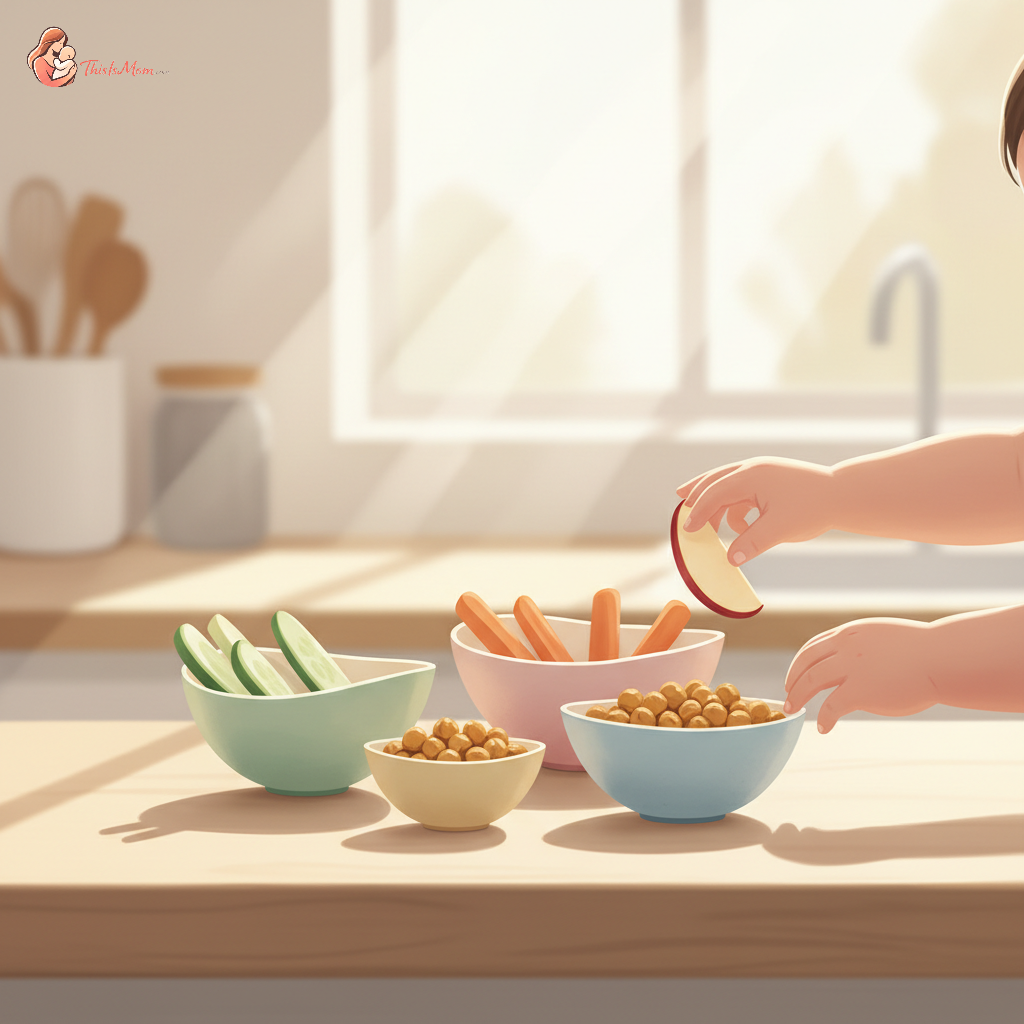
- Fruits and Veggies: Thinly sliced apples (like Honeycrisp or Fuji), crisp pear slices, raw carrot sticks (for older toddlers who can safely chew), cucumber spears, and bell pepper strips (red, yellow, and orange tend to be sweeter) are excellent options. Their snap and slight sweetness can be very appealing. Consider safe baby-led weaning snacks for 9-month-olds if your child is younger.
- Whole-Grain Goodness: For a more substantial crunch, consider whole-grain rice cakes, plain whole-wheat crackers, or even whole-grain pretzels. Look for options with minimal added sugar and sodium. These can serve as a base for other healthy toppings.
- Protein-Packed Bites: Roasted chickpeas are a fantastic source of fiber and protein, offering a delightful crunch. Ensure they are seasoned simply (e.g., a little salt, paprika, or cumin) and are not too hard for your toddler to manage. For toddlers over four years old, and with appropriate supervision, some nuts and seeds can also provide a crunchy protein boost, but always check with your pediatrician regarding age-appropriateness and choking hazards.
These options provide the sensory experience your toddler enjoys while offering more nutritional value than highly processed, dry snacks. Explore other best on-the-go toddler snacks for travel too.
Discover your baby's phase
Beyond the Bite: Introducing New Textures Gradually
Once you have a repertoire of healthy crunchy options, the next step is to gently introduce softer textures or integrate new elements into familiar ones. The key is patience and consistency.
A great strategy is the "dip" method. Offer a familiar crunchy food, like a whole-wheat cracker, alongside a small amount of something soft and appealing. This could be hummus, a thin layer of avocado, plain yogurt, or a smooth fruit puree. The idea is that they can dip the crunchy item into the soft one, creating a new, mixed-texture experience.
You can also try "smooth with a twist." Take a soft food, like mashed sweet potato or yogurt, and sprinkle a tiny amount of a finely crushed, familiar crunchy snack on top. This introduces a new texture in a less intimidating way, providing little bursts of crunch within a softer base.
Sometimes, just playing with food in a low-pressure environment can help. Let your toddler explore different textures with their hands, even if they don't eat them. This sensory exploration outside of mealtimes can build familiarity and reduce anxiety around new textures.
Making Mealtimes Fun: Strategies for Picky Eaters
Picky eating is a normal part of toddler development, but creating a positive environment around food can make a significant difference. Involving your toddler in meal preparation, even in small ways, can increase their interest in trying new foods. Let them help wash vegetables, stir ingredients, or even choose between two healthy options you've pre-selected.
The "one new food" rule is a gentle approach. Offer one new food alongside a few familiar favorites at each meal. Don't pressure them to eat it; simply expose them to it. It can take many exposures – sometimes 10-15 or even more – before a child will even try a new food.
Crucially, aim to create a positive and pressure-free eating environment. Avoid force-feeding, bribing, or making mealtimes a battleground. When mealtimes are relaxed and enjoyable, toddlers are more likely to be open to trying new things. Gentle transitions, like moving from screen time to outdoor play, can also help set a positive tone for other changes.
When to Talk to Your Pediatrician or a Feeding Specialist
While many toddlers grow out of strong texture preferences, there are signs that your toddler's eating habits might benefit from professional support. If your toddler’s diet is extremely limited (e.g., fewer than 20 foods), if they are experiencing significant weight loss or slow growth, or if mealtimes are consistently causing extreme distress for your child or family, it's a good idea to consult with your pediatrician.
Your pediatrician can assess your child's growth and development and may refer you to a feeding specialist or an occupational therapist. These professionals can help identify underlying sensory processing issues or other challenges that might be contributing to extreme picky eating. They can offer tailored strategies and support for your child and family.
Nurturing a healthy relationship with food is a journey. By understanding your toddler's sensory preferences, offering nutritious alternatives, and creating a supportive environment, you can help them develop a more varied and enjoyable diet over time.
Remember, every child develops at their own pace. Be patient with your little one and with yourself. Your pediatrician is your best resource for personalized advice and guidance regarding your child's specific eating habits and nutritional needs. You can also learn more about how to choose a pediatrician before baby arrives.