Postpartum Exhaustion & Rage at Partner: You Are Not Alone
Feeling intense postpartum exhaustion and rage at your partner? Understand why it's normal, how to communicate your needs, and strategies to lighten the load. You're not alone.
Postpartum Exhaustion & Rage at Partner: You Are So Not Alone
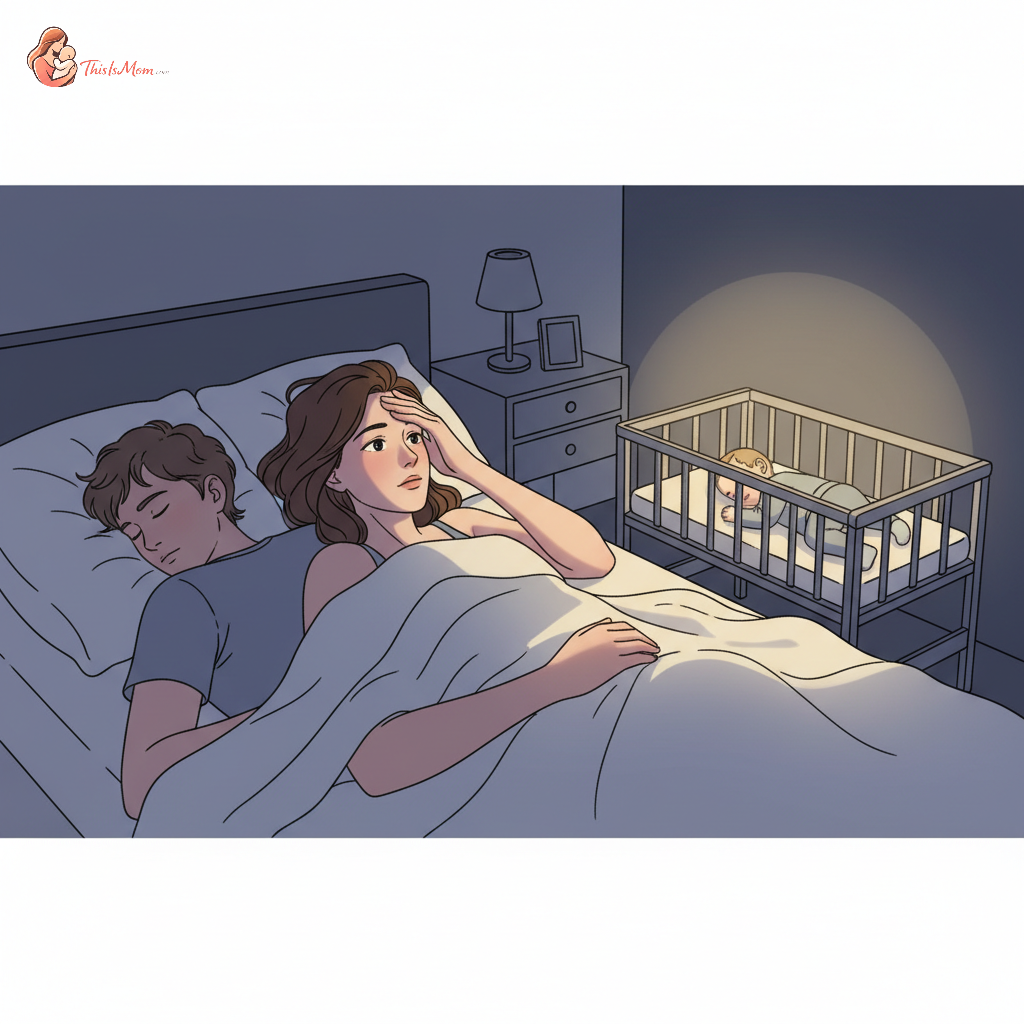
It was 2:17 a.m. when I finally lost it. Noah was a warm weight on my chest, his tiny snores a soundtrack to my silent scream. My body ached in places I didn't know existed. My brain felt like it was full of wet cotton. My husband, bless his sleeping heart, was oblivious. Oblivious to the fact that I’d been up for hours, had managed three separate diaper blowouts, and my breasts felt like they were about to explode.
And in that moment, staring at the ceiling fan, the postpartum exhaustion and rage at my partner hit me like a ton of bricks. It wasn't just a flicker of annoyance; it was a full-blown inferno.
Look, I love my husband. He’s a good guy. But in those early weeks and months, something shifted, and it felt like I was the only one rowing this boat while he was just… along for the ride. If you’re in that boat too, feeling this intense anger bubbling up, let me tell you: you are not alone. And this isn't about him being a "bad" guy or you being a "bad" mom. It's about a very real, very difficult phase of life.
What's Going On With All This Anger? (Spoiler: It’s Normal)
Let's talk about postpartum rage. It’s not just a bad mood. It’s a visceral, overwhelming fury that can erupt over the smallest things – like the way he chews his food or how he leaves a cabinet door slightly ajar. It’s confusing and often comes with a huge dose of guilt.
The truth is, postpartum rage is a recognized phenomenon, often fueled by a cocktail of intense physical and emotional changes. Your body has just gone through a marathon, and now it’s expected to run another one, 24/7, fueled by hormones on a wild rollercoaster ride. If you're finding breastfeeding a challenge on top of everything else, know that coping with postpartum anxiety when breastfeeding fails is a real struggle many moms face.
Add to that profound sleep deprivation, sheer physical recovery, and the immense responsibility of keeping a tiny human alive. It's a recipe for postpartum exhaustion and rage that feels inevitable for so many of us. And sadly, the people closest to us, our partners, often become the unfortunate recipients of this pent-up frustration. It’s easier to lash out at the safe person, even when you know it’s unfair.
The Real Culprit: The Uneven Load
So why is your partner often the target? Well, often, it boils down to the reality of the unequal division of labor in those early postpartum days. And here's the thing: it’s not just about who’s changing the most diapers. The immense mental and physical load can be overwhelming, especially when partners aren't fully aware of the challenges. For fathers, understanding dads' postpartum depression symptoms is crucial for a balanced family approach.
We're talking about the invisible load. The mental to-do list that lives in your head: tracking feedings, monitoring wet diapers, remembering to order more wipes, anticipating the next sleep regression, scheduling the pediatrician appointment. It’s the emotional labor of soothing a crying baby, mediating between your own needs and your baby's, and trying to keep the household from completely falling apart.
Your partner might be helping with visible tasks – feeding the baby, holding them for a bit – but they often aren't privy to the sheer volume of thinking and planning that’s happening on your end. This can lead to a significant gap in perceived effort, breeding resentment.
Real talk — this is where a lot of that postpartum anger at your husband starts to fester. You're drowning in tasks and mental energy, and it feels like they're just… floating. The mismatch in expectations about who does what, and how much, is a huge source of conflict. This can also be exacerbated by changes in your relationship dynamics, impacting intimacy after a c-section and body image changes.
Finding Your Voice When You’re Ready to Explode
Discover your baby's phase
Okay, so you’re furious. You’re exhausted. And you want to talk to your partner, but the words that come out are likely to be laced with accusation. I’ve been there. I’ve wanted to scream, “Why aren’t you HELPING me?!”
But that kind of approach rarely ends well. The key is to find a way to communicate your needs, your exhaustion, and your feelings without making them immediately defensive.
Timing is everything. Trying to have a deep, meaningful conversation at 3 a.m. when you’re both running on fumes? Not ideal. Wait until you’ve both had a moment of calm, even if that moment is short. Maybe it’s during a quiet afternoon nap, or over a cup of coffee (that’s actually still warm) after the baby is finally asleep.
Here’s a practical approach:
- Use "I" statements: Instead of "You never help me," try "I feel overwhelmed and exhausted when I'm managing most of the nighttime feedings on my own." This focuses on your experience, not an accusation.
- Be specific about your needs: Instead of "I need more help," try "I would really appreciate it if you could take over the 7 a.m. feeding tomorrow so I can get a solid block of sleep."
- Acknowledge their efforts (if any): "I know you've been working hard, and I appreciate you getting up with Noah last night, but I'm still struggling to catch up on sleep."
It's about expressing your reality and seeking solutions, not about assigning blame. This is crucial for navigating postpartum resentment towards partner before it completely takes over. This can be particularly challenging when co-parenting, where co-parenting conflicts peak in August due to seasonal stressors.
Beyond Just Talking: Making the Load Lighter
Communication is vital, but sometimes you need concrete strategies to actually lighten the load. The postpartum anger at husband often stems from a feeling of being alone in the trenches. Making the division of labor more equitable can make a world of difference.
This isn't about demanding your partner do everything you do. It's about identifying tasks that can be delegated and accepted.
- Identify specific ownership: Instead of vague "help with the baby," try assigning concrete roles. Can your partner be solely in charge of bath time? Or the evening bottle? Or all diaper changes after 8 p.m.?
- Rethink household standards: Does the laundry really need to be folded perfectly right now? Can some meals be simpler (hello, rotisserie chicken and pre-made salads)? Can you afford to order takeout once a week? What can wait?
- Prioritize sleep for both of you: This is non-negotiable. Even if it means one of you takes the baby for a few hours on the weekend so the other can sleep soundly. Sleep deprivation is a major trigger for exhaustion and rage, and it impacts both parents. If you're struggling with baby sleep schedules, understanding how to reset baby sleep after daylight saving time change can be helpful.
Finding Your Calm in the Chaos
When you’re in the thick of postpartum exhaustion and rage, it’s easy to feel like you’re losing yourself. Your world has shrunk to the demands of a tiny human, and your own needs feel like a distant memory. But taking care of yourself, even in small ways, is essential for navigating this storm and for your relationship.
- Seek out micro-moments of peace: It might be five minutes of uninterrupted showering, listening to a podcast on a solo walk, or just sitting in silence with a cup of tea after the baby is asleep. These small pockets of respite can be surprisingly restorative.
- Lean on your support system: Don't be afraid to ask for help from friends or family. Whether it’s someone bringing over a meal, watching the baby for an hour so you can nap, or just listening without judgment. If you're in California, check out free diaper programs for new parents.
- Consider professional help: If the remedies you've tried aren't working, or if you're experiencing symptoms of postpartum depression or anxiety, please reach out to your doctor or a mental health professional. You don't have to go through this alone.