Gentle Tips for Swaddling When Baby Starts Rolling Over
Learn gentle tips and expert guidance for keeping your baby safe when they start rolling. Discover swaddle alternatives and smooth transition strategies.
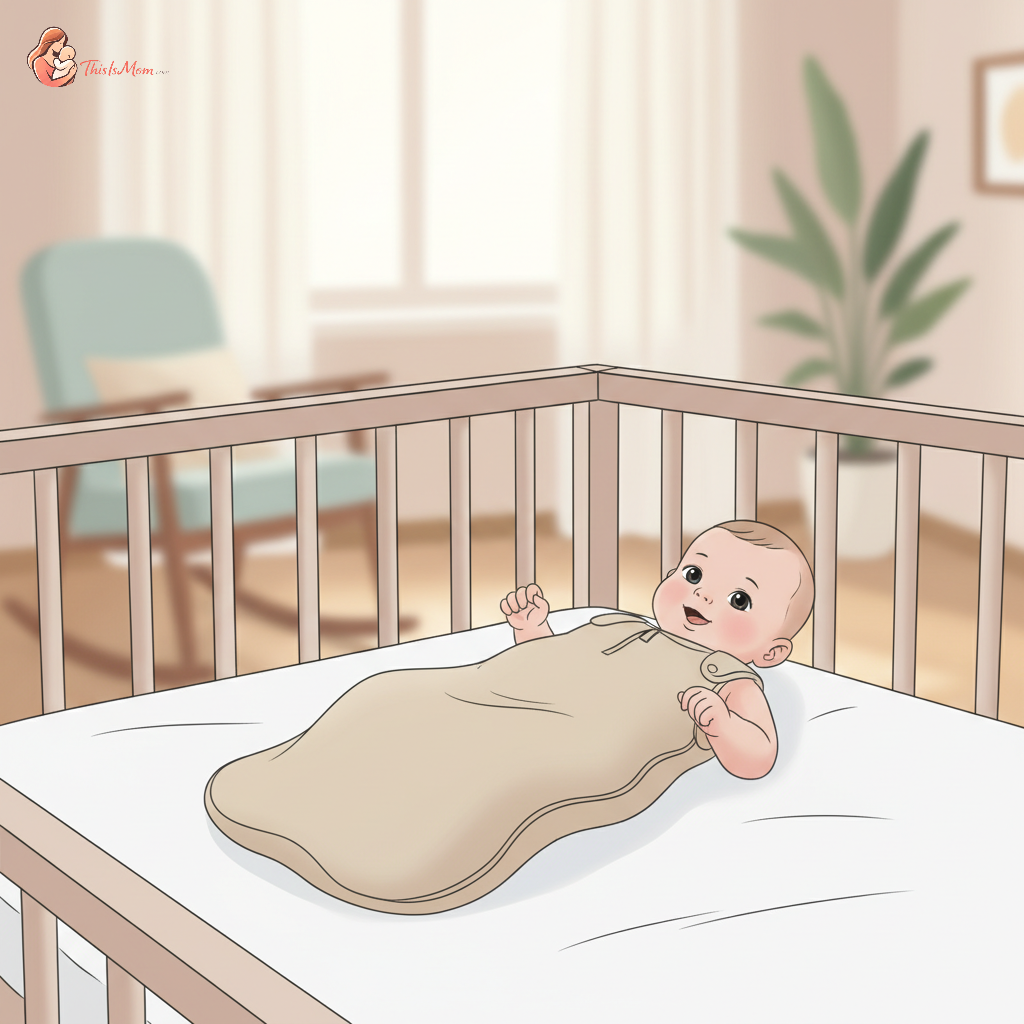
Swaddling Your Baby Safely When They Start to Roll: Gentle Tips & Expert Guidance
Your baby is starting to wiggle, stretch, and perhaps even flip! As exciting as these milestones are, they can bring a new set of questions, especially concerning sleep. If you've been using swaddles to help your little one settle, you're likely wondering: how do I keep my baby swaddled safely when they start rolling over? It's a common concern for parents, and understanding the safest approach is key. The good news is that with gentle tips and expert recommendations, you can navigate this transition smoothly.
Understanding the Swaddle-to-Sleep Transition
The swaddle, a snugly wrapped blanket, mimics the feeling of the womb and can be a fantastic tool for calming newborns and promoting sleep. However, its primary function is to restrict movement, which becomes a safety concern when babies gain new mobility skills.
Why Rolling Changes Everything for Swaddled Babies
The American Academy of Pediatrics (AAP) emphasizes that once a baby shows signs of rolling, the swaddle is no longer considered a safe sleep practice. A baby sleeping in a swaddle who then rolls onto their stomach can have their face pressed against the mattress, obstructing their airway. This is because the swaddle can prevent them from repositioning themselves, putting them at risk.
The 'When to Stop Swaddling' Golden Rule
The AAP guidelines are clear on this: you should stop swaddling your baby as soon as they show any ability to roll over, even if it's just from their tummy to their back or vice versa. This is generally around 2-4 months of age, but it can vary significantly from baby to baby. The key isn't an exact age, but the development of this rolling reflex.
Decoding Your Baby's Signals: Is Rolling Imminent?
Your little one's development is a fascinating journey, and recognizing the early signs of rolling can help you prepare for the swaddle transition proactively.
What to Look For: Early Signs of Rolling
Babies typically reach their rolling milestone between 4 and 6 months old, though some may do it earlier. You might notice your baby:
- Pushing up on their arms during tummy time, lifting their head and chest
- Arching their back more frequently
- Kicking their legs with enthusiasm during tummy time, which can lead to an accidental turn
- Showing increased upper body strength and control
Why Early Detection Matters for Safe Sleep
Catching these early signs is crucial for maintaining a safe sleep environment. If you see these developments, it’s a strong indicator that you need to start thinking about moving away from the traditional swaddle before your baby masters the roll in their sleep. Waiting until they've already rolled is too late to implement the necessary changes.
Gentle Swaddle Alternatives for Rolling Babies
So, if the swaddle is out, what are the best options for your rolling baby? The goal is to provide comfort and a sense of security without restricting their ability to move freely.
What to Use Instead of Swaddle When Baby Starts Rolling?
When your baby begins to roll, the AAP recommends transitioning to sleep sacks or wearable blanket options. These garments allow for freedom of movement while still providing a cozy layer.
Sleep Sacks: Arms In vs. Arms Out Options
Discover your baby's phase
Sleep sacks are essentially wearable blankets that zip or snap up. They come in various weights and materials, perfect for different room temperatures. For babies who are rolling, sleep sacks designed to be worn with the arms out are generally the safest choice. This allows them to use their arms for balance if they roll over and also to push up if needed. If your baby is resistant to arms-out, a transitional sleep sack with one arm out can be helpful.
Wearable Blankets: Comfort Without Confinement
Wearable blankets serve the same purpose as sleep sacks. They are sleeveless and provide warmth without posing the same risks as a traditional swaddle for rolling infants. Look for options that are appropriately sized for your baby and made from breathable materials.
Making the Transition Smooth: Practical Tips
Transitioning away from a beloved sleep habit can be tough for both baby and parents. Here are some strategies to make the shift as smooth as possible.
One Arm Out: A Gradual Approach
Can you swaddle with arms out once rolling? Yes, this is a popular and often effective step in the transition. Start by letting one arm out of the swaddle for a few nights. Once your baby seems comfortable, progress to taking the other arm out. This gradual method helps them adjust to the feeling of having their arms free while still offering a sense of security from the partially wrapped body. Some swaddles are designed with the option to do this easily. [Self-correction: This link is not a good fit, the anchor text is not present. Removing it.]
Establishing a Consistent Wind-Down Routine
A predictable bedtime routine signals to your baby that it's time to wind down. This could include a warm bath, a gentle massage, reading a quiet story, or singing a soft lullaby. A consistent routine can help soothe your baby and prepare them for sleep, even without the swaddle.
Comforting Baby Through the Change
It's natural for babies to resist change, especially when it affects their sleep. If your baby won't sleep without the swaddle but rolls over, expect some fussiness. Offer extra comfort and reassurance during this period. Short, gentle patting, rocking, or a soothing voice can help. Remember that this phase is temporary, and consistency is key.
Prioritizing Safe Sleep During the Transition
As you navigate these changes, keeping safe sleep principles at the forefront is paramount.
AAP and CDC Guidelines for Swaddling and Rolling
Both the AAP and the Centers for Disease Control and Prevention (CDC) advise stopping swaddling once babies show signs of rolling. They also reiterate the importance of placing babies on their back to sleep on a firm, flat surface without any loose bedding, pillows, or bumpers in the crib.
Clear Sleep Space: What Stays and What Goes
Ensure your baby's crib or bassinet is a safe sleep space. This means no blankets, quilts, pillows, bumpers, or stuffed animals. Only a fitted sheet should be on the mattress. If you are using a sleep sack, it is worn over the baby's pajamas, and no other blankets are needed.
When to Consult Your Pediatrician About Sleep Concerns
Every baby is different, and sleep can be a complex issue. If you’re struggling with the transition, your baby is persistently refusing sleep alternatives, or you have any concerns about their sleep behavior or development, it's always a good idea to reach out. Your pediatrician can offer personalized advice and support, especially concerning issues like short naps.
This period of transition is a sign of your baby’s growth and developing independence. By understanding the safety implications of rolling and embracing gentle alternatives, you can support your baby's continued healthy sleep.