5 Steps to Manage 2-Year-Old Snack Grazing & Stop Picky Eating
Tame the snack attack! Learn practical steps, scheduling tips, and healthy snack ideas to manage constant grazing for your 2-year-old and encourage better mealtime habits.
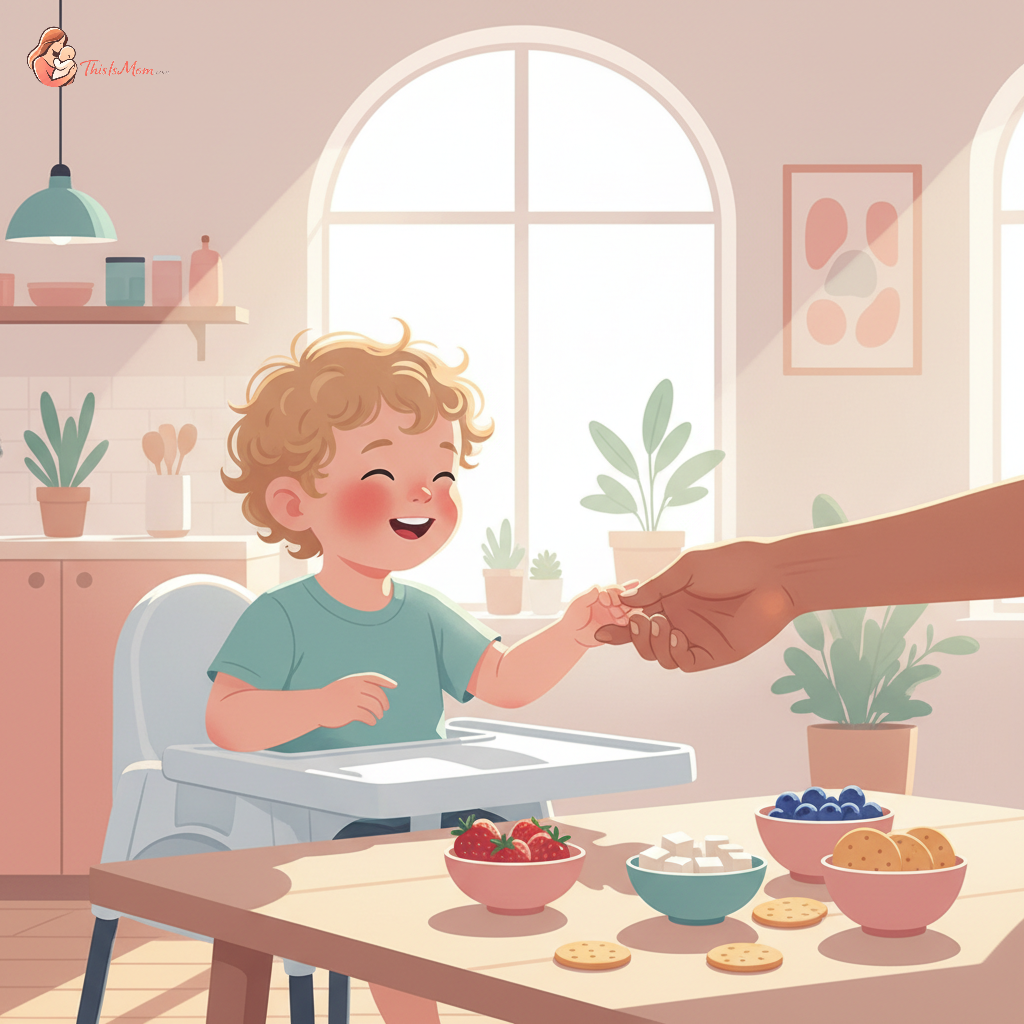
Taming the Toddler Snack Attack: How to Manage Snack Time Grazing for 2 Year Olds
With my first child, I bought every toddler snack book imaginable. I color-coded charts, bought a dozen types of toddler-safe crackers, and had a designated snack cupboard that was constantly being raided. By my fourth, let’s just say we’ve learned a thing or two about the delicate dance of toddler eating, especially when it comes to the never-ending quest for snacks. Looking back, those early years with the constant "snack, snack, snack?" felt like a tidal wave. If I could tell my younger self one thing, it’d be this: you can establish a rhythm, and it doesn’t have to be a daily battle. Understanding how to manage snack time grazing for 2 year olds is key to happier meals and calmer days.
Why Constant Nibbling Can Be a Bit Tricky (for Everyone Involved)
The truth nobody tells you about toddlers? They operate on a different timetable than our structured adult lives. For a two-year-old, a constant stream of snacks can truly impact their appetite for proper meals. They might fill up on little bites throughout the day, leaving them with little interest when it's time for that carefully prepared lunch or dinner. This often leads to what I call "mealtime battles" – those frustrating moments where you’ve cooked a nutritious meal, and your little one turns their nose up at it because they're simply not hungry. Worse, they might have filled up on less nutritious options.
It’s also important to differentiate between genuine hunger cues and other toddler motivations. Are they really hungry, or are they bored? Seeking attention? Trying to avoid another activity? With my first, I often mistook every request for a snack as true hunger. By my fourth, I've learned to pause and observe. Is it close to a mealtime? Have they been sitting quietly for a while? Sometimes, a quick cuddle or a change of scenery can be more helpful than another string of puffs. Understanding these nuances is the first step toward a more balanced eating pattern.
Setting the Stage: Your Snack Time Game Plan
So, how do you navigate this? A structured approach helps. You might be wondering, "How many snacks should a 2 year old have in a day?" Most pediatricians and nutritionists suggest two planned snacks in addition to breakfast, lunch, and dinner. This provides energy between meals without displacing the need to eat those important, balanced meals.
One effective strategy I’ve come to rely on is a modified version of the "3-3-3 rule," often used for sleep. For snacks, I think of it as roughly three hours between meals and snacks. This helps prevent constant grazing and allows their little tummies time to digest and signal true hunger. So, a sample toddler snack schedule might look something like this:
- Breakfast around 8 am
- Morning snack around 10:30 am
- Lunch around 1 pm
- Afternoon snack around 3:30 pm
- Dinner around 6 pm
This predictability is a game-changer.
Coupled with this is the "80-20 rule" for toddler nutrition, which extends to snacking. Aim for about 80% of their snacks and meals to be nutrient-dense, balanced options. The other 20%? That’s where a little flexibility comes in – say, a tiny cookie or a few more crackers. This philosophy helps you focus on providing good nutrition most of the time without striving for unattainable perfection every single bite. It's about balance and long-term healthy habits.
How to Stop a Toddler from Constant Snacking: Practical Steps
Discover your baby's phase
Implementing a predictable toddler snack schedule is truly the backbone of stopping the constant grazing. Using the example above, knowing that snack time is at 10:30 am and 3:30 pm means you can redirect requests in between. "We’ll have a snack after your book, not right now," or "Snack is after nap time."
Designating a snack spot can also be surprisingly effective. This means snack time happens at the table, just like meals. No wandering around the house or yard with crackers. This simple boundary helps kids learn that eating is an activity with a beginning and an end, not something that happens passively all day long.
When snack time does arrive, offering choice within boundaries is a wonderful way to empower your two-year-old. Instead of asking, "Do you want a snack?", try, "Would you like apple slices or yogurt?" or "We have cheese sticks or a banana, which one sounds good?" This gives them a sense of control while ensuring they are still choosing from healthy options you’ve provided. It’s a simple tactic that can reduce power struggles significantly.
Healthy Toddler Snacks That Keep Them Satisfied
The goal of a snack is to bridge the gap between meals, not to replace them. So, what are some healthy toddler snacks that will actually fill them up? Think combinations of protein, fiber, and healthy fats.
Here are some ideas:
- Fruits with Protein/Fat: Apple slices with a smear of peanut butter or almond butter. Banana with a small handful of walnuts (ensure they're finely chopped or ground for younger toddlers to prevent choking). Berries with cottage cheese or whole milk yogurt.
- Veggies with Dip: Carrot sticks (cooked until soft if needed), cucumber slices, or bell pepper strips with hummus or a dairy-based dip. Discover ways to get toddlers to eat vegetables without hiding them.
- Dairy & Grains: Whole milk yogurt with berries, string cheese or cheese cubes with whole-grain crackers, hard-boiled eggs.
- Whole Grain Goodness: Whole-grain toast strips with avocado, or small muffins made with whole wheat flour and fruit. Explore ways to get toddlers to eat protein when refusing meat and eggs.
When it comes to snacks to avoid, it’s primarily about minimizing highly processed options with added sugars and empty calories. Think sugary snacks like fruit snacks, sugary cereals (even those marketed for kids), cookies, and candy. While an occasional treat is fine, relying on these can contribute to picky eating and dental issues, and they don't provide the sustained energy a growing toddler needs. Also, be mindful of choking hazards – always supervise and modify food textures for your child's age and developmental stage.
When Your 2 Year Old Won't Eat Anything But Snacks
It can feel like you’re caught in a "snack trap" when your two-year-old starts rejecting meals in favor of constant snacking. This is a common phase, but it’s one that can be gently steered. The first step is to re-establish the schedule. If they’re not hungry at mealtime because they’ve been grazing, they won't eat. Be consistent with your snack times and meal times, and try to ensure their snacks aren't too close to mealtimes.
If your child consistently refuses meals, try not to make a big fuss about it. Continue to offer balanced meals at the designated times. You can also try serving a slightly smaller portion of the meal and offering a more substantial snack after the meal is over if they are still hungry. This reinforces that meals come first. Sometimes, simply returning to the predictable snack schedule can shift their focus back to mealtimes. This is a crucial step when considering how many ounces of breast milk before starting solids at 6 months or how to introduce screen time limits to a 3 year old gradually.
If you've tried these strategies and you're still concerned about your child's eating habits, or if they seem to be losing weight or not growing appropriately, it’s always a good idea to contact your pediatrician. They can offer personalized advice and rule out any underlying medical issues.