Kids Refuse School: Help & Solutions for Parents
Is your child refusing to go to school? Understand common causes like anxiety, bullying, and transitions. Find practical strategies and professional help to support your child.
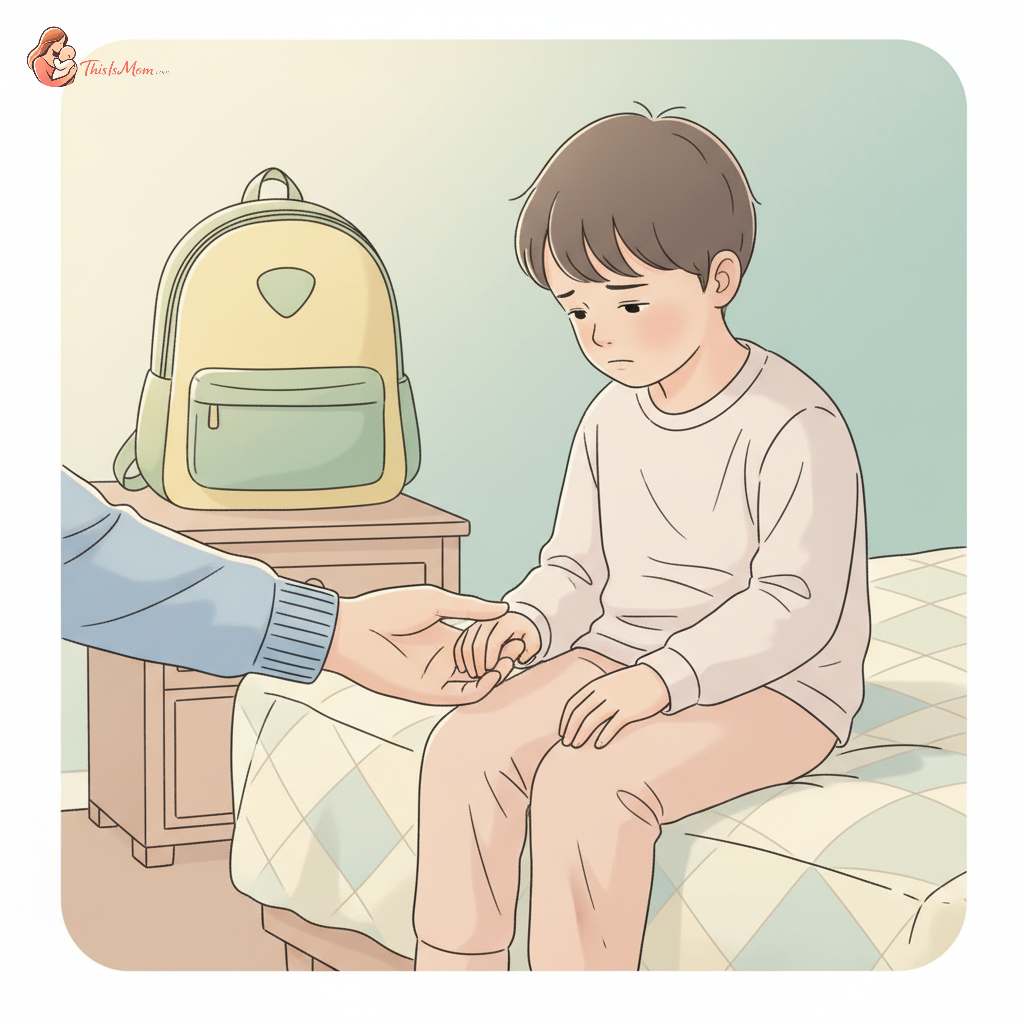
Kids Refuse to Go to School? Help and Solutions for Parents
Your child is refusing to go to school – what do you do? This common and often distressing situation requires understanding the underlying reasons. It's rarely about defiance; often, it's a sign that something deeper is going on.
What is school refusal, and why is it more than just a child not wanting to go to school? The American Academy of Pediatrics (AAP) and other child development experts recognize school refusal as a behavioral issue where a child experiences significant emotional distress and anxiety about attending school, leading to persistent reluctance or outright refusal.
This isn't about a child being lazy or wanting to skip lessons. It’s typically rooted in distress, and differentiating it from a simple "sick day" is crucial. A sick day is usually a response to a clear physical ailment, whereas school refusal often presents with physical symptoms that disappear once the child is allowed to stay home, or is linked to specific situations or anxieties.
Recognizing the Red Flags
When should you be concerned about your child's reluctance to attend school? The CDC notes that persistent refusal, accompanied by significant distress, can impact a child's academic progress and social development. Pay attention to these signals:
- Frequent complaints of physical ailments (headaches, stomachaches) that don't have a medical cause.
- Intense tantrums or meltdowns when it's time to get ready for school.
- Expressing significant worry or fear about school.
- Difficulty sleeping or eating before school days.
- Behavioral changes at home, such as increased irritability or withdrawal.
Unpacking the 'Why': Common Causes Behind School Refusal
Understanding why your child might not want to go to school involves looking at a variety of potential factors. Children may express their anxieties and difficulties through their resistance to school attendance.
One of the most common reasons is anxiety and stress. This can manifest in several ways:
- Separation Anxiety: For younger children, or those with a strong attachment to a caregiver, the thought of being apart from their safe base can be overwhelming.
- Social Anxiety: Fear of judgment, making friends, or interacting with peers can be a significant hurdle.
- Academic Pressure: The stress of performing well, fear of failure, or difficulties keeping up with coursework can lead to avoidance.
Bullying and social challenges are also significant contributors. Experiencing or even witnessing bullying can create a hostile environment that a child feels unable to navigate. Difficulties in forming friendships or feeling ostracized can lead to a strong desire to escape the school setting. If co-parenting is involved, these conflicts can be exacerbated during back-to-school season. Co-Parenting Conflicts Peak August: Navigate Back-to-School.
Learning difficulties and academic struggles, whether diagnosed or undiagnosed, can make school feel like a place of constant frustration. A child who feels they are not succeeding may develop an aversion to the environment where this struggle is most apparent.
Transitions and changes within a child's life can also trigger school refusal. This might include a move to a new school, entering a new grade level, or significant family events like a divorce, a new sibling, or a death in the family. These disruptions can make the familiar routine of school feel less secure.
Finally, we sometimes see physical symptoms with no clear medical cause. Headaches, stomachaches, nausea, and fatigue are frequently reported by children experiencing school refusal. The Mayo Clinic notes that these physical symptoms can be a manifestation of underlying emotional distress.
First Steps: What to Do When Your Child Refuses School
When faced with a child who is refusing to go to school, your immediate response can set the tone for resolution. The goal is to be supportive without inadvertently reinforcing the avoidance behavior.
Discover your baby's phase
Create a safe space for open communication. Let your child know you are there to listen without judgment. Ask open-ended questions about their feelings and experiences at school. Sometimes, simply being heard can be a crucial first step.
It's important to validate their feelings without enabling avoidance. Acknowledge that they are feeling scared, anxious, or upset. Phrases like, "I understand you're feeling worried about going to school today," can be helpful. However, you also need to gently reinforce that attending school is expected.
Maintain a consistent routine is paramount. Even on days your child doesn't attend, try to keep their schedule as normal as possible regarding wake-up times, meal times, and bedtime. This provides a sense of predictability and security that can be grounding.
Actionable Strategies for Getting Back to School (and Staying There)
Once you have a better understanding of the potential causes, you can begin implementing strategies to help your child return to school successfully. This often requires a multi-faceted approach.
Collaborate with the school is a critical step. Reach out to your child's teacher, the school counselor, or administrators. Share your concerns and work together to identify triggers and develop a plan. Schools often have resources and personnel trained to help with these situations.
Consider gradual re-entry plans. For some children, jumping back into a full school day is too much. This could involve starting with a few hours, attending specific classes, or having a designated quiet space to go to if they feel overwhelmed. These "baby steps" can make the transition less daunting. If screen time is a major concern or a source of conflict, enforcing screen time limits without yelling can help.
Helping your child build coping skills for anxiety and stress is essential. This might involve teaching deep breathing exercises, mindfulness techniques, or problem-solving strategies for social challenges. Role-playing common school scenarios can also be beneficial.
If school refusal persists or seems rooted in significant anxiety or depression, seeking professional support is vital. Your pediatrician can rule out any underlying medical issues and provide referrals. A child therapist or counselor can offer specialized interventions for school refusal anxiety and develop tailored strategies. If a father is experiencing postpartum depression symptoms, it's important to seek help as this can impact family dynamics. Dads & Postpartum Depression Symptoms: What You Need to Know.
Supporting Your Child's Mental Well-being at Home
The home environment plays a significant role in a child's overall mental well-being and their ability to cope with school-related challenges. Focusing on these areas can provide a strong foundation.
Prioritizing sleep and nutrition is fundamental. Ensure your child is getting adequate sleep according to age-appropriate guidelines from the AAP. A balanced diet also impacts mood and energy levels. Balanced Toddler Snacks: Pediatrician Tips & Ideas can offer guidance.
Encouraging positive social connections outside of school can boost your child's confidence and reduce feelings of isolation. This might include playdates with trusted friends or participation in extracurricular activities they enjoy.
Limiting screen time and fostering healthy habits is also important. Excessive screen use can sometimes displace activities that promote well-being. Encourage physical activity, creative play, and family time. Transition Toddler from Screen Time to Outdoor Play Smoothly can offer helpful tips.
Finally, remember your own self-care. Navigating school refusal can be emotionally draining for parents. Taking time for yourself, seeking support from your own network, and practicing self-compassion are not selfish; they are necessary to ensure you have the strength and resilience to support your child. This is a challenging journey, but with patience, understanding, and the right support, most children can overcome school refusal and return to learning and thriving.
When in doubt, or if you are struggling to make progress, remember that your pediatrician is your best resource for personalized advice and guidance for your child's specific situation. How to Choose a Pediatrician Before Baby Arrives can be a helpful read for new parents.