Stop Toddler Snack Grazing: Gentle Guide & Schedules
Tired of constant toddler snack requests? Learn how to manage toddler snack grazing all day long with gentle structure, smart food choices, and sample schedules.
How to Manage Toddler Snack Grazing All Day Long: A Mom's Gentle Guide
With my first child, I was convinced that if my toddler wasn't eating, something was terribly wrong. Every slight pause in chewing felt like a crisis, and I’d reflexively offer another bite, another cracker, another anything. By my fourth journey through toddlerhood, I’d learned to breathe. Looking back, the constant fussing over food and the endless parade of snacks wasn't just exhausting for me; it was setting up a cycle of grazing that didn't serve anyone. If I could tell my younger self one thing, it would be to embrace a little structure and trust that little tummies are smarter than we often give them credit for. This guide will gently and effectively show you how to manage toddler snack grazing all day long.
The Toddler's Perpetual Snacking Quest: Why It Happens
Is it normal for toddlers to graze? Absolutely. It often feels like a universal truth of parenting little ones. They can transition from seemingly ravenous to suddenly uninterested in their perfectly cut carrots in approximately five seconds flat. This constant snacking often stems from a mix of biological and behavioral reasons.
Their tiny stomachs are simply not designed for three large meals like ours; they need more frequent fuel. However, it’s also a behavior that can develop. If snacks are always readily available, a toddler learns that this is the norm. They may start to request snacks not out of genuine hunger, but because it’s what they’re used to, or as a way to get your attention. This can impact their appetite at mealtimes, leading to them picking at their food when it’s offered. This, of course, makes us worry they aren’t getting enough, and the grazing cycle continues. The truth nobody tells you is that this constant craving can be managed.
Building Blocks for Better Eating: Structuring Snack Times
The key to stopping the all-day eating marathon is to introduce gentle structure. This isn’t about rigid rules or making food a battleground, but about creating predictable rhythms that help your child’s body learn when to expect nourishment and when to be content.
My approach, refined over many years, is based on the principle: parent provides, child decides. You decide what food is offered and when it’s offered. Your toddler decides if they eat it and how much. This empowers them and reduces power struggles.
Start by establishing a consistent eating routine. This means predictable times for breakfast, lunch, and dinner, with planned, nutritious snacks in between. This routine helps regulate their internal hunger cues.
Creating a positive, distraction-free environment for meals and snacks is also crucial. Turn off screens and put away toys. When we eat, we eat. This helps them focus on their food and better recognize their own fullness.
Smart Choices for Sustained Energy: What to Offer Your Grazer
When you offer snacks, make those moments count. This is where the "what" becomes really important. Focus on nutrient-dense options that provide sustained energy, rather than quick sugar rushes that lead to more requests shortly after.
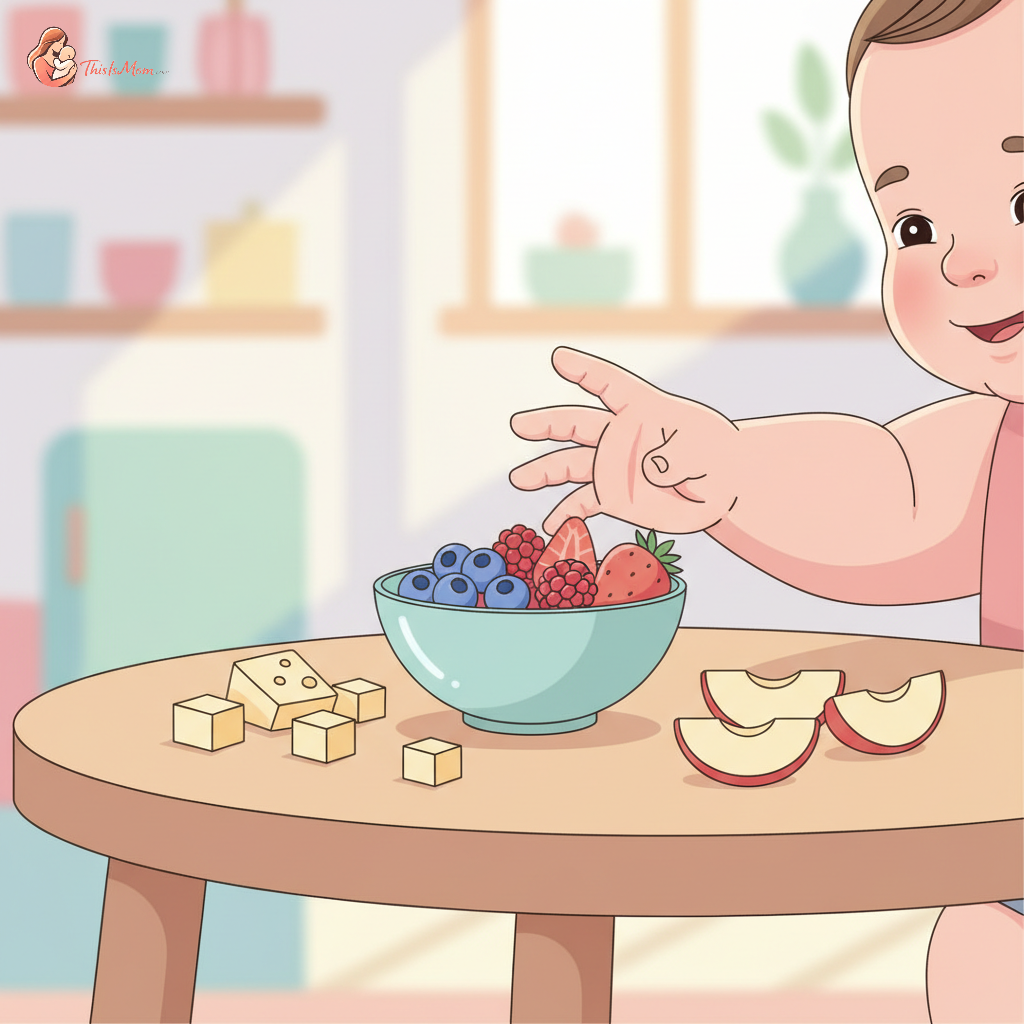
Think of snacks as mini-meals. A handful of fruit, a few whole-grain crackers with a smear of nut butter, some cheese cubes, plain yogurt with berries, or vegetable sticks with hummus are all excellent choices. These foods have protein, healthy fats, and fiber, which keep them feeling full and satisfied longer. Learning to prepare hard-boiled eggs for a snack is a great example of a nutrient-dense option.
What to avoid are the so-called ‘empty calorie’ snacks. Think fruit snacks, sugary cereals, cookies, and most processed crackers that offer little nutritional value. These can spike blood sugar, leading to a crash and an immediate demand for more food soon after.
Portion control is also part of smart snacking. You don’t need to serve a huge plate for a snack. A small bowl of fruit or a few cheese sticks is usually plenty. The goal isn't to fill them up completely, but to tide them over until the next scheduled meal or snack. This avoids making food a battle or a constant source of anxiety.
Discover your baby's phase
Navigating the Toddler Snack Maze: What If...?
Even with the best intentions and a solid new routine, you’ll encounter bumps. It’s part of the journey. What happens when your toddler refuses meals after you’ve cut back on snacks?
This is a common concern, and it’s okay to feel a little worried. Often, after cutting back on constant grazing, toddlers might seem less interested in meals initially. This is their body adjusting. Trust the process. Offer balanced meals at regular intervals, and when they truly don’t eat much, don't panic. They will eat when they are hungry. If they refuse a meal, calmly take it away and wait until the next scheduled eating time. Offer water in between. For example, if they refuse lunch, you might offer a snack later, like yogurt with berries or apple slices.
You’ll also deal with those persistent requests for snacks “all day long.” This is where consistent reinforcement of your new schedule comes in handy. If they ask for a snack outside of the designated times, you can gently say, “Snack time is over now. We’ll have more snack after your nap” or “You just had lunch, let’s play for a bit and then we'll have a snack after story time.” Be firm but loving. It’s important to note that if you are struggling with your toddler’s intake, it might be related to their milk intake. You could be weaning from formula to whole milk too early, which can affect their appetite.
It’s also important to learn to distinguish true hunger cues from boredom or attention-seeking. A child who is genuinely hungry might be fussy, put their hands in their mouth, or point to their stomach. A child who is bored might wander aimlessly, stare at you, or ask for a snack while actively playing. When you suspect boredom or attention-seeking, redirect them. “Are you hungry or are you looking for something to do? Let’s build a tower with your blocks!” You can also try screen-free alternatives for waiting rooms with toddlers or engaging activities at home to keep them occupied.
A Rhythm to Your Day: Sample Toddler Meal & Snack Schedule
Here’s a sample of what a structured day might look like for your little one. Remember, this is a template; flexibility is key, and you’ll want to adapt it to your family’s unique rhythm and your child’s specific needs.
Morning:
- 7:30 AM - Breakfast: A balanced meal like oatmeal with fruit and a sprinkle of seeds, scrambled eggs with whole-wheat toast, or yogurt with granola.
- 10:00 AM - Morning Snack: A piece of fruit, a small handful of cheese cubes, or a few whole-grain crackers with a thin spread of cream cheese.
Midday:
- 12:00 PM - Lunch: Offer a variety of food groups. This could be a sandwich cut into fun shapes, lentil soup with whole-wheat bread, or leftover dinner from the night before. Include a protein, a complex carbohydrate, and a fruit or vegetable.
- 2:30 PM - Afternoon Snack: Similar to the morning snack, focusing on nutrient density. Apple slices with a small amount of peanut butter, a hard-boiled egg, or some veggie sticks with hummus.
Evening:
- 5:30 PM - Dinner: Family mealtime! Aim for a protein source, a vegetable, and a starch. This might be baked chicken with roasted broccoli and sweet potatoes, or pasta with a meat sauce and a side salad.
- Before Bed (Optional & if needed): If a truly hungry child needs something, offer a small, protein-rich option like a small glass of milk (not juice!) or a few plain crackers. Don't forget to encourage them to drink water instead of juice throughout the day.
This schedule provides a predictable rhythm. It helps them understand when food will be available, reducing the anxiety of "when's the next snack?" and encouraging patience. Learning to manage screen time limits is also another way to create structure in a toddler's day.