Baby Sleep During Cross-Country Flight with Layover
Master baby sleep during cross-country flights with layovers. Get practical tips on packing, in-flight strategies, managing time zones, and navigating airport sleep.
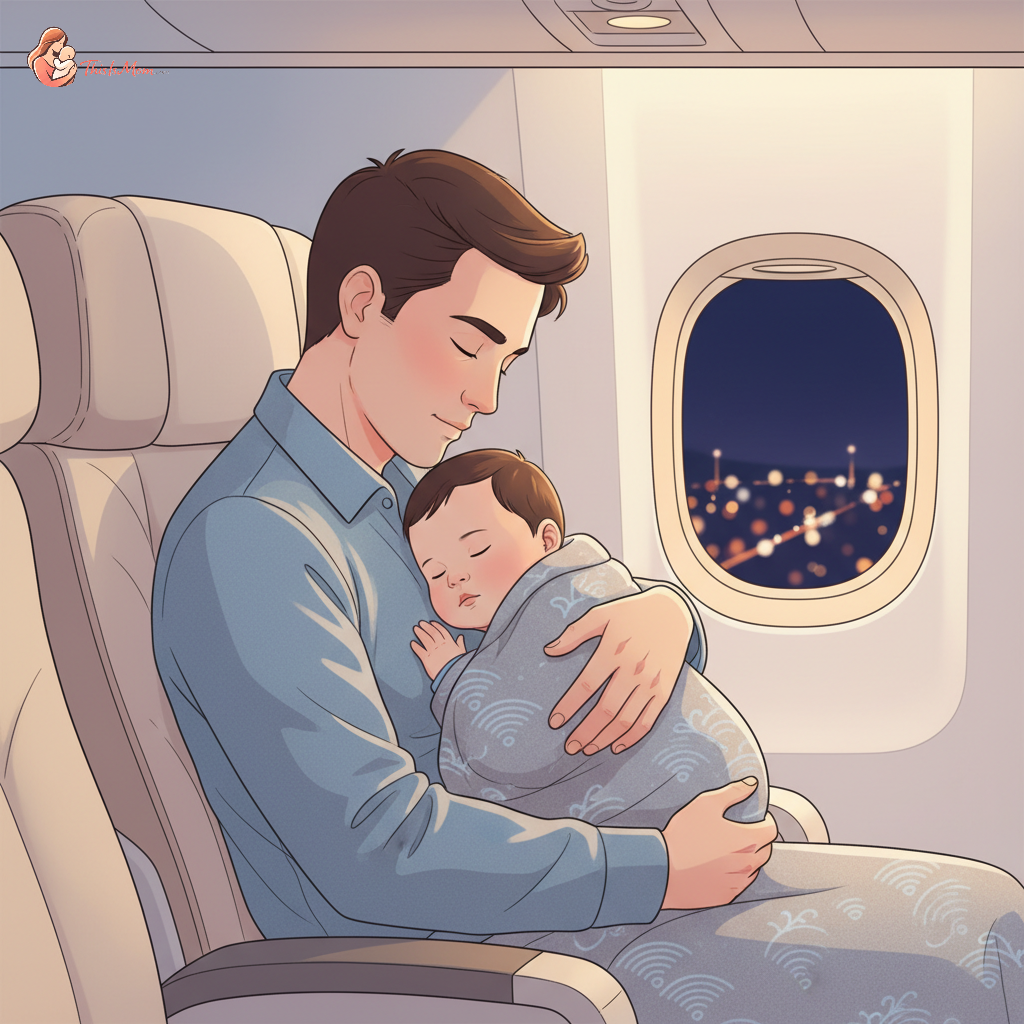
It was 2 AM, probably. Or maybe 3 AM. The kind of "am" where you lose track of time because you’re rocking a tiny human, the cabin lights are dimmed for "sleep," and your body feels like it’s made of lead. My little Noah, bless his heart, was not sleeping. We were somewhere over the Midwest, somewhere between our originating city and the first of two layovers on our way to see my parents. And I was questioning every life choice that led me to this moment.
Managing baby sleep during a cross-country flight with a layover felt less like a strategy and more like an extreme sport. I had read all the articles, packed all the "essentials," and still, here we were. So, if you’re staring down a similar journey, buckle up. This is the real, unfiltered guide I wish I had.
Getting Ready: Setting Up for Sleep Success Before You Even Leave Home
Before you even think about the TSA line, there are a few things you can do to set yourselves up for a smoother journey. It’s not about guaranteeing perfect sleep (spoiler alert: that's impossible with a baby), but about stacking the odds in your favor.
Packing Smart: Your Overhead Bin Sleep Arsenal
Look, you aren’t going to check your baby's entire nursery. But a few carefully selected items can make a world of difference.
- Familiar Sleep Sack or Swaddle: If your baby uses one, definitely pack it. The scent of home, the familiar feel – it's a comfort object in disguise. See our newborn swaddle to arms out transition guide for tips on when and how to make that change.
- White Noise Machine (Travel Size!): Not all planes are quiet, and airport terminals are anything but. A small, portable white noise machine or app can be a lifesaver for drowning out loud engines or announcements.
- Comfort Item: A favorite lovey, a special blanket. Again, anything that smells and feels like home.
- Darkness Tools: A blackout sleep mask for baby is surprisingly effective, even for short stretches. You can also rig up a light blanket to create a darker nook.
Small Shifts Before the Big Day: Tweaking the Schedule
I won’t lie, trying to replicate Noah’s at-home routine on travel days felt like a losing battle. But I did try to make some tiny adjustments.
A day or two before we left, I’d try to shift his last nap just a little bit later, if possible. This helped him be a tad less overtired come bedtime (or, you know, plane-time). I also tried to keep his bedtime routine as consistent as I could, even if the "bed" was his bassinet. The familiar sequence of bath, lotion, book, and song was a grounding ritual. For more on sleep routines and challenges, explore our guide on gentle sleep training methods for anxious parents.
In-Flight Sleep Wars: Navigating Naps and Time Zones
This is where the rubber meets the sky. The plane is a foreign environment, and your baby knows it.
Gate Napping: The Pre-Boarding Snooze
Airports are chaotic, but gate areas offer a weird kind of stillness before the boarding frenzy. I learned to embrace the gate nap.
If Noah was due for a nap before our flight, I’d find a quiet-ish corner. Sometimes, this meant nursing him in a less-trafficked area. Other times, it meant strapping him into his carrier and doing some slow circles until his eyes fluttered shut. It’s not ideal, but a short nap before a long haul flight baby sleep strategy is better than none. Then, we’d use the boarding time to get him settled and comfortable. If your baby struggles with short naps, check out how to encourage baby to nap longer than 30 minutes.
Onboard Tricks: Crafting Your Sky-High Sleep Oasis
Once inside the plane, it’s about creating a micro-environment for sleep. This is where those sleep essentials come in handy.
I quickly learned that the bassinet attachments can be a blessing and a curse. They work for some babies, but Noah is a wiggly one. I often found it easier to cuddle him close in my seat, especially during critical sleep windows. Using a soft blanket to create a dark, enclosed space around us as much as possible helped signal to him that it was time for quiet. For parents of plus-size individuals, finding the right baby carrier for plus size parents with comfortable straps can make a big difference in comfort during flights.
The key here is flexibility. Some babies will sleep through engine noise. Mine? Not so much. For him, silence (or as close to it as a plane offers) combined with darkness and closeness was the winning combo.
Time Zone Tango: Mid-Flight and Arrival Adjustments
This is the big one. You’re flying across three time zones. How do you even begin to manage that with an infant?
Honestly, I stopped trying to adhere strictly to his home schedule the moment we took off. For the flight itself, I prioritized feeding him when he was hungry and letting him sleep when he looked tired, focusing on creating that sleep environment regardless of the clock. This is a crucial part of infant plane sleep schedule management, even if it feels counterintuitive.
The real challenge comes with the time zone shift on arrival. The AAP and CDC both suggest that for younger babies, it’s often easier to let them guide you based on their natural sleep cues in the new time zone, rather than forcing a strict schedule from day one. We aimed for bright light exposure at awake times and darkness at sleep times, and tried to keep our own routines as consistent as possible.
Layover Life: Protecting Sleep Between the Flights
Layovers are a whole different beast. You’re in a transient space, and your baby’s rhythm is completely disrupted.
Discover your baby's phase
Finding Quiet Havens in Busy Airports
Airports are loud. Like, really loud. Finding a quiet spot for your baby to rest, even for 20 minutes, feels like striking gold.
I quickly became a pro at scouting out quiet corners. This often meant finding a less-trafficked gate area, a nursing room (even if we weren't actively nursing, they’re usually quieter), or sometimes just ducking into an empty family restroom for a few minutes of peace. If Noah was already on the verge of sleep, I’d strategically plant myself near him and let him doze in the carrier.
Feeding and Changing: Keeping Up the Flow
Routine is your friend, even when everything else feels chaotic. Prioritize feeding and diaper changes in as calm an environment as you can find.
This might mean using a nursing cover in a relatively quiet spot, or finding a family restroom. The goal is to minimize the disruption to their basic needs, which can then help them settle for sleep later. For parents dealing with daycare, managing recurring illness can be a challenge, and our tips on managing recurring daycare illness during first year infant might offer some help.
Gear That Makes a Difference: Travel Cribs and Portable Solutions
For longer layovers, especially if you have a significant gap between flights, a travel crib can be a sanity-saver. These lightweight, foldable cribs can be a game-changer for letting your baby truly rest in a safe, familiar-feeling space. We found that having a dedicated sleep space, even if it was just for an hour or two in an airport lounge or a quiet corner, made an amazing difference for Noah's overall mood and sleep quality during the travel day.
Settling In: Getting Back on Track at Your Destination
You've arrived! Now, the real work of re-establishing sleep routines begins.
Minimizing Disruption in a New Sleep Space
The goal is to make the new sleep space feel as familiar and safe as possible.
Bring those familiar items – the sleep sack, the lovey. If you’re in a hotel, try to black out the room as much as possible. Use the same bedtime routine, even if it’s delayed due to travel. We found that keeping naps in the carrier or stroller for the first day or two at our destination helped Noah adjust to the new schedule more organically.
When Baby Sleep is 'Ruined': Patience and Persistence
Here’s the truth: your baby’s sleep will be disrupted. It’s not ruined. It’s just… adjusting.
There will be fussy nights. There will be early wake-ups. There will be regression. This is normal. The best thing you can do is offer comfort and reassurance. Stick to your established routines as much as possible, even if it means some nights are a little rougher than others. Research suggests that a gradual reintroduction of their familiar sleep cues can help them get back on track.
Chatting with Your Pediatrician: When to Ask for Help
Most of the time, babies are incredibly resilient. But if you have concerns about your baby's sleep, feeding, or overall well-being after travel, don't hesitate to reach out to your pediatrician. They can offer personalized advice and rule out any underlying issues.
The Real Deal: What I Learned on This Flying Circus
Look, I went into this assuming I’d somehow crack the code to perfect baby travel sleep. I was very wrong.
Flexibility is Your Superpower: Let Go of Perfection
The biggest lesson I learned is that flexibility is non-negotiable. You can’t control plane delays, noisy seatmates, or your baby’s sudden aversion to their favorite swaddle. Release the pressure of a perfect schedule. Focus on connection, comfort, and getting through it. Some naps might be shorter. Some nights might be longer. That’s okay.
Don't Forget Yourself: Mama Needs Sleep Too
This is so important, y’all. On these long travel days, it’s easy to put your own needs last. But you are no good to anyone if you are completely depleted.