Managing Choking Phobia During Baby-Led Weaning
Learn practical tips to manage your choking phobia during baby-led weaning. Understand gagging vs. choking, implement safety, and ease anxiety for confident feeding.
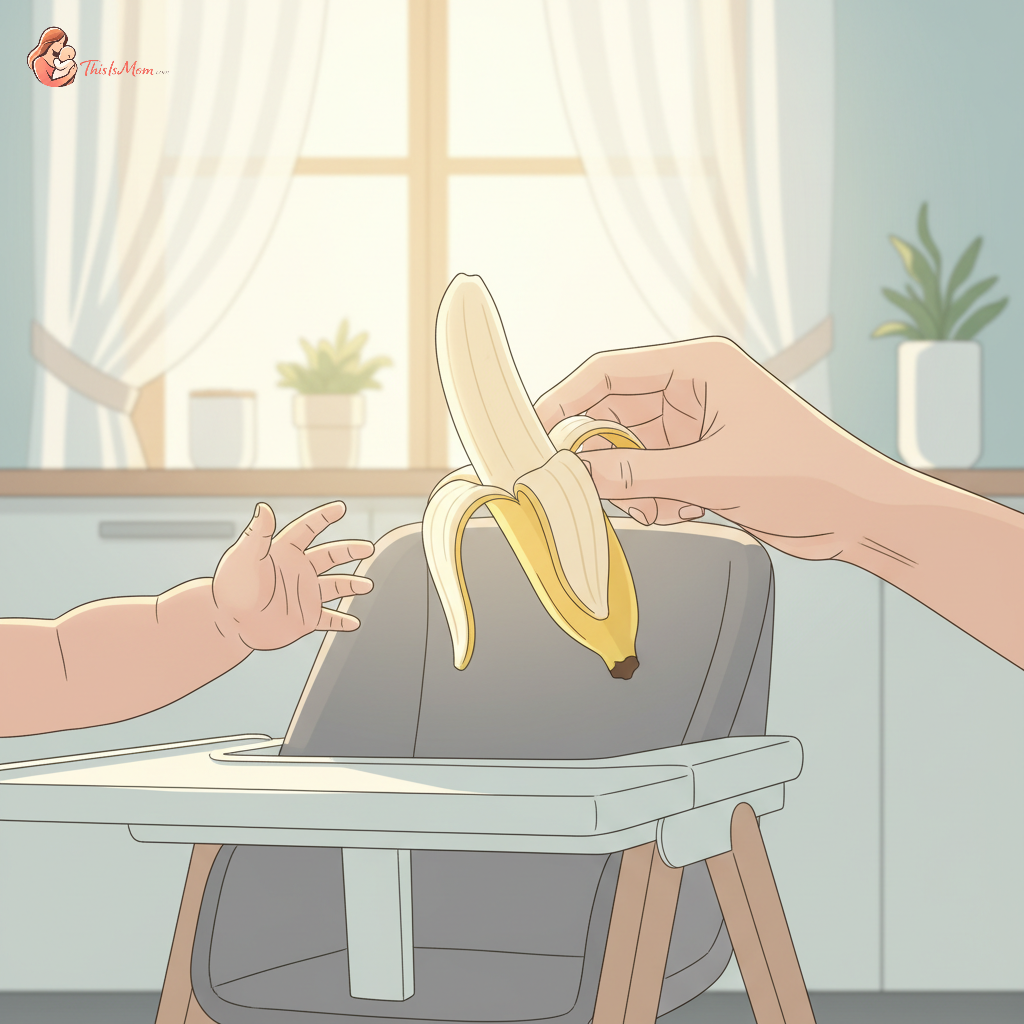
Managing Choking Phobia During Baby-Led Weaning: Tips for Parents
Starting solids with baby-led weaning (BLW) promises independence and skill-building for your little one. Yet, for many parents, the thought of their baby exploring new foods brings a knot of anxiety, often centered around the fear of choking. This concern is very real and completely understandable. This article offers practical, expert-backed tips for managing choking phobia during baby-led weaning, helping you navigate this transition with greater confidence.
Understanding the Fear: Why Choking Phobia is Common with BLW
Our powerful instinct to protect our children can amplify anxieties, especially when introducing varied food textures. Baby-led weaning, by its nature, involves infants feeding themselves finger foods, which can naturally trigger parental worry about choking hazards. This often stems from a misunderstanding of the crucial difference between gagging and actual choking.
Gagging vs. Choking: The Crucial Difference (and How to Spot It)
Differentiating between gagging and choking is perhaps the most critical knowledge for parents practicing BLW, as this distinction can significantly reduce anxiety.
Gagging is a protective reflex, often noisy and dramatic. Your baby might cough, sputter, their eyes may water, and they might arch their back. This indicates food is too far back in their mouth, and their body is actively working to move it forward or out. Research suggests that gagging is a normal part of learning to eat and a sign that your baby's swallow reflex is developing. Infant gag reflexes are typically located further forward in the mouth than in adults, making initial gagging more common as they learn to manage food. As they gain experience, this reflex tends to move further back.
True choking, on the other hand, is often silent. If your baby is choking, their airway is blocked, and they may struggle to breathe or make any sound. They might turn blue or grey, appear distressed, and be unable to cough or cry effectively. This is a medical emergency.
Essential Safety Measures for Confident Baby-Led Weaning
Implementing safe baby-led weaning practices is fundamental to building confidence and mitigating risks. Here are key safety measures to follow:
- Always supervise closely. Never leave your baby unattended while eating, even for a moment.
- Ensure proper seating. Your baby must always be seated upright in a high chair with good core support (e.g., a footrest). They should never be fed while lying down or in a car seat.
- Introduce age-appropriate food shapes and textures. Foods should be offered in sizes your baby can manage. For infants starting solids, this often means soft, large pieces that can be gripped by their fist with a portion sticking out, or small, pea-sized pieces once pincer grasp develops. Consider offering best first finger foods for baby without teeth.
- Know common choking hazards to avoid or modify. Hard, round foods (like whole grapes, nuts, popcorn) are high-risk. If offering these, ensure they are significantly modified (e.g., grapes quartered lengthwise, nuts ground or made into butter, popcorn avoided until older).
Psychological Strategies to Ease Your Anxiety
Discover your baby's phase
Addressing the psychological aspect of choking phobia is crucial. Overcoming this fear involves proactive strategies to manage your own anxiety:
- Practice breathing exercises and mindfulness. Before and during mealtimes, focus on deep, slow breaths. Acknowledge your anxiety without letting it consume you. Short guided meditations for parental anxiety can also be helpful. If this anxiety is intense, exploring affordable therapy for postpartum anxiety might be an option.
- Focus on the positive aspects of BLW. Remind yourself of the benefits: improved fine motor skills, hand-eye coordination, self-regulation, and fostering a positive relationship with food. Celebrate small victories.
- Limit social media comparison. Scrolling through curated feeds can heighten feelings of inadequacy. Remember that every parenting journey is unique, and "perfect" feeding experiences are rare.
- Seek support from parent groups or professionals. Connecting with other parents who share similar concerns can be incredibly validating. Online forums or local groups can provide a space to share experiences and tips.
Empowering Yourself with First Aid: CPR and Choking Relief
Knowing what to do in a real emergency can paradoxically reduce overall anxiety. Learning infant CPR and choking relief techniques empowers you with confidence.
The CDC recommends that parents and caregivers be trained in infant CPR and first aid. This knowledge transforms helplessness into preparedness. Even if you never need to use it, the training itself can be incredibly reassuring. For parents dealing with extreme worry, exploring options for affordable therapy could be beneficial.
You can find certified classes through organizations like the American Red Cross or the American Heart Association. These classes offer hands-on practice with mannequins, allowing you to learn correct techniques in a controlled environment. Practicing these skills, even mentally, can help build confidence.
When to Seek Professional Guidance for Persistent Anxiety
While some anxiety is normal, persistent, overwhelming fear can impact your well-being and your ability to enjoy mealtimes with your baby. It's important to recognize when professional help might be beneficial.
Signs of severe anxiety might include avoiding mealtimes altogether, significant distress every time your baby eats, or constant intrusive thoughts about choking. If your anxiety significantly impacts your daily life, sleep, or your ability to care for your baby, it’s time to seek help.
Talking to your pediatrician is a great first step. They can assess your situation, offer reassurance, and provide resources. They can also rule out any underlying feeding issues for your baby. In some cases, a feeding therapist or a mental health professional specializing in perinatal mood and anxiety disorders can provide targeted support and coping strategies, especially for issues like postpartum exhaustion and rage at partner.
Navigating baby-led weaning with a fear of choking is a challenge many parents face. By understanding the difference between gagging and choking, implementing robust safety measures, practicing psychological coping strategies, and empowering yourself with first aid knowledge, you can move toward a more confident and enjoyable feeding experience for both you and your baby.